NeuroMuscular Taping (NMT) Course Schedule – Breast Surgery and Reconstruction Rehabilitation
Choose Your NMT Training Pathway
Our professional education programs are organised into three training categories:
- Foundation Courses: Introductory programs providing the essential theoretical knowledge, clinical reasoning, and practical application skills required to integrate NMT into specific professional and rehabilitation settings.
- Advanced Professional Courses: Specialised training programs designed to deepen clinical knowledge and develop advanced treatment protocols. These courses generally require completion of the relevant foundation program.
- Specialised Thematic Courses: Focused training programs addressing specific clinical conditions, rehabilitation objectives, or professional applications. Unless otherwise indicated, no previous NMT certification is required.
NeuroMuscular Taping (NMT) – Breast Surgery and Reconstruction Rehabilitation
NeuroMuscular Taping (NMT) – Advanced Breast Surgery and Reconstruction Rehabilitation
Integrating Elastic Decompression Methodology with Lymphatic Rehabilitation, Oncology Care and Post-Surgical Recovery
International NMT Certification Program | 2 Days – 18 Hours
Course Overview
 The NeuroMuscular Taping (NMT) Advanced Breast Surgery and Reconstruction Rehabilitation Course is an intensive two-day professional training program designed for healthcare practitioners involved in breast surgery recovery, lymphatic rehabilitation, oncology care, and post-surgical functional restoration. Developed by the NeuroMuscular Taping Institute in Italy, the program introduces a standardised clinical methodology combining breast surgical anatomy, lymphatic and vascular rehabilitation, tissue decompression, scar management, and evidence-informed clinical reasoning. Particular emphasis is placed on integrating NMT with established rehabilitation approaches, including manual lymphatic drainage, comprehensive decongestive therapy, physiotherapy, remedial massage, myotherapy, scar mobilisation, and therapeutic exercise.
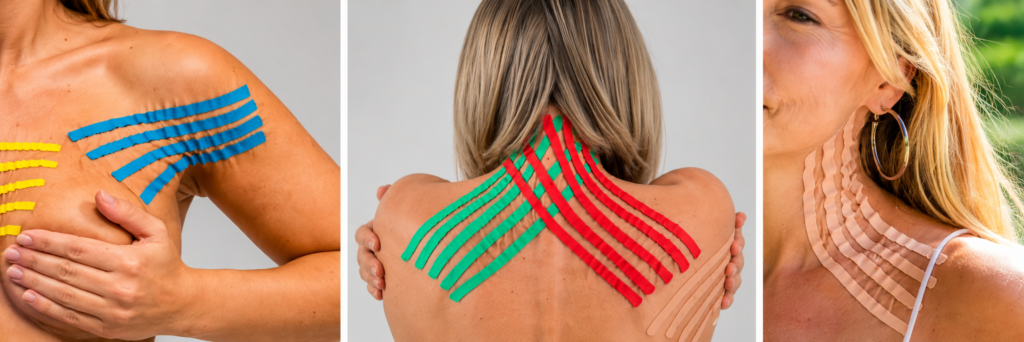
The NMT decompressive methodology uses elastic adhesive tape applied with zero tension while the skin and underlying tissues are positioned in functional elongation. When the body returns to its resting position, characteristic skin convolutions develop beneath the tape, producing a dynamic mechanical interaction intended to support superficial tissue mobility, sensory stimulation, and lymphatic function. The principal objective is to develop specialised clinical skills for supporting patients throughout breast surgery and reconstruction recovery, addressing postoperative oedema, lymphatic congestion, tissue restrictions, scar mobility, pain, and functional limitations. Participants learn to adapt treatment protocols to different surgical procedures, stages of healing, and individual rehabilitation objectives, while respecting surgical precautions and multidisciplinary oncology care.
Who Should Attend?
This advanced course is designed for professionals working in breast surgery rehabilitation, lymphatic therapy, oncology, and post-surgical recovery, including:
- Medical doctors, breast surgeons, rehabilitation specialists, and oncology professionals
- Physiotherapists and physical therapists
- Lymphoedema therapists and manual lymphatic drainage specialists
- Clinical myotherapists and remedial massage therapists
- Occupational therapists and oncology rehabilitation practitioners
- Nurses involved in breast surgery and postoperative care
- Eligible final-year students in relevant healthcare degree programs
The NMT Lymphatic certification is required as a prerequisite for attending the course. Participants should have appropriate professional training in anatomy, clinical assessment, and rehabilitation. All techniques must be applied within the practitioner’s professional scope and in accordance with surgical and oncology treatment guidelines.
Educational Objectives
The course develops advanced anatomical knowledge, clinical reasoning, and practical application skills required to integrate decompressive NMT techniques into breast surgery and reconstruction rehabilitation. Participants learn to understand the implications of different surgical techniques, including mastectomy, lumpectomy, axillary lymph node procedures, implant-based reconstruction, and autologous tissue reconstruction, and how these influence lymphatic pathways, tissue mobility, and functional recovery.
Particular emphasis is placed on the relationship between surgical intervention, altered lymphatic drainage, tissue healing, scar formation, and progressive functional rehabilitation. Through supervised practical exercises, participants develop individualized NMT protocols for acute, post-acute, and functional recovery phases, integrating decompressive taping with established lymphatic and musculoskeletal rehabilitation strategies. The course also addresses patient safety, recognition of postoperative complications, appropriate treatment sequencing, and collaboration with the surgical and oncology rehabilitation team.
Key Skills and Topics Covered
The program combines advanced surgical anatomy, lymphatic rehabilitation, clinical reasoning, and intensive hands-on NMT training.
- 18 hours of training and assessment over 2 days, combining theoretical instruction, demonstrations, practical applications, and clinical case discussions.
- NMT decompressive methodology, including zero-tension applications and the differences between decompressive and compressive techniques.
- Breast surgical and lymphatic anatomy, including thoracic fascia, pectoral musculature, axillary lymph nodes, vascular structures, and regional drainage pathways.
- Breast surgery and reconstruction techniques, including mastectomy, lumpectomy, implants, tissue expanders, autologous reconstruction, and axillary surgery.
- Advanced lymphatic drainage applications for the breast, chest wall, axillary region, upper extremity, and alternative drainage pathways.
- Post-surgical oedema and lymphatic congestion, including regional decompression and applications adapted to altered lymphatic anatomy.
- Scar and fascial rehabilitation, addressing tissue adhesions, restricted mobility, and postoperative scar management.
- Axillary Web Syndrome (AWS), including assessment, appropriate NMT applications, and integration with shoulder mobility rehabilitation.
- Breast reconstruction protocols, adapted to implants, expanders, latissimus dorsi flaps, abdominal tissue reconstruction, and lipofilling.
- Clinical reasoning and treatment planning across acute, post-acute, and functional rehabilitation phases.
- Integration with established rehabilitation therapies, including manual lymphatic drainage, compression therapy, scar mobilisation, and therapeutic exercise.
- Patient safety and contraindications, including infection, seroma, skin fragility, radiotherapy-related changes, and surgical precautions.
- Supervised practical training, with instructor feedback, case studies, and evidence-informed applications.
- Post-course mentoring, including a two-hour online feedback session approximately two months after training.
- Ongoing instructor support through a dedicated WhatsApp group for up to two years.
Integrating NMT with Breast Surgery and Lymphatic Rehabilitation
A Complementary Approach to Post-Surgical Recovery
NeuroMuscular Taping provides rehabilitation professionals with an additional non-invasive technique that may be incorporated into established postoperative treatment programs. While manual therapy and rehabilitation exercises provide targeted mechanical and functional interventions, NMT introduces a prolonged, movement-responsive stimulus through elastic tape applied to the skin. The combination allows practitioners to develop individualised treatment strategies addressing tissue mobility, lymphatic congestion, sensory responses, and functional movement during the recovery process.
Manual Lymphatic Drainage and Decongestive Therapy
NMT can be integrated with manual lymphatic drainage and other components of comprehensive decongestive therapy to complement the management of postoperative oedema and selected lymphatic conditions. Participants learn to identify regional lymphatic pathways, consider proximal drainage areas, and select applications according to the anatomical changes associated with breast and axillary surgery. Particular attention is given to lymphatic rerouting strategies when normal drainage pathways have been altered by surgery or radiotherapy.
Scar Mobilisation and Fascial Rehabilitation
Following appropriate wound healing and surgical clearance, NMT applications may complement scar mobilisation and myofascial rehabilitation. Treatment strategies address tissue restrictions, scar sensitivity, and reduced mobility affecting the breast, chest wall, axillary region, and shoulder girdle. The course explores the relationship between skin elasticity, superficial fascia, surgical scars, and movement-related tissue restrictions.
Axillary Web Syndrome and Shoulder Rehabilitation
Axillary Web Syndrome can develop following breast and axillary surgery, producing palpable or visible cord-like structures associated with discomfort and restricted shoulder movement. Participants learn to assess functional limitations and integrate NMT applications with appropriate shoulder mobilisation, stretching, and progressive therapeutic exercise.
Breast Reconstruction and Tissue Recovery
Different reconstruction techniques create distinct anatomical and functional rehabilitation requirements.
The course examines NMT applications following implant-based reconstruction, tissue expanders, latissimus dorsi flap procedures, abdominal tissue reconstruction, and lipofilling. Treatment planning considers surgical healing, tissue tension, donor-site restrictions, scar development, and progressive restoration of functional movement.
Radiotherapy-Related Tissue Changes
Radiotherapy may contribute to changes in skin elasticity, tissue sensitivity, fibrosis, and mobility. Participants learn to recognise these changes and understand when NMT applications may be considered as part of rehabilitation after appropriate healing and clinical assessment. Applications are avoided on actively damaged, fragile, or inflamed irradiated skin.
Course Structure and Practical Training
The program is organised into eight classroom learning sessions over two days, followed by a dedicated online mentoring and feedback session.
Day 1 – Lymphatic Drainage, Upper Limb and Post-Surgical Rehabilitation
Sessions 1–4 | Decompression Principles, Lymphatic Pathways and Upper Extremity Recovery
The first day introduces the NMT decompressive methodology and its application to breast surgery rehabilitation, focusing on altered lymphatic drainage, upper-limb oedema, and postoperative functional limitations.
Session 1 – NMT Methodology and Clinical Reasoning
Participants review decompressive and compressive taping principles, tissue biomechanics, cutaneous anatomy, and the clinical objectives of NMT lymphatic applications. Particular emphasis is placed on patient assessment, contraindications, application selection, and the relationship between surgical procedures and lymphatic function.
Session 2 – Upper Limb and Axillary Lymphatic Drainage
Practical applications address anterior and posterior axillary regions, the upper arm, forearm, and hand. Participants develop techniques for regional drainage, postoperative oedema, and lymphatic congestion associated with breast and axillary surgery.
Session 3 – Advanced Regional and Double-Joint Drainage
Participants learn specialised NMT applications involving the shoulder, elbow, wrist, upper back, and thoracic drainage pathways. Practical training includes anterior and posterior double-joint drainage techniques, regional decompression, and complete upper-limb drainage protocols.
Session 4 – Post-Surgical Shoulder and Cervical Rehabilitation
This session focuses on postoperative shoulder drainage, cervical and thoracic applications, and functional recovery following breast surgery. Clinical discussions include brachial plexus-related dysfunction, shoulder mobility restrictions, and the integration of NMT with compression therapy and established lymphatic rehabilitation approaches.
Day 2 – Breast Reconstruction, Scar Rehabilitation and Advanced Clinical Protocols
Sessions 5–8 | Musculoskeletal Recovery, Reconstruction Techniques and Functional Rehabilitation
The second day develops advanced applications for breast reconstruction, scar rehabilitation, tissue mobility, and postoperative complications.
Session 5 – Shoulder Girdle and Thoracic Musculoskeletal Applications
Participants practise NMT applications for the scapular region, periscapular musculature, pectoral muscles, and trapezius. Emphasis is placed on restoring shoulder mobility, addressing muscular and fascial restrictions, and integrating decompressive taping with manual therapy and therapeutic exercise.
Session 6 – Breast Reconstruction and Postoperative Treatment Protocols
This session examines NMT treatment planning for different breast reconstruction procedures and their associated rehabilitation requirements. Clinical applications include:
- Breast symmetry and postoperative tissue adaptation
- Implant-based reconstruction and tissue expanders
- Latissimus dorsi and abdominal tissue reconstruction
- Lipofilling and acellular dermal matrix procedures
- Nipple retraction and postoperative tissue restrictions
- Axillary Web Syndrome and scar adhesions
- Clinical considerations relating to seroma and capsular contracture
Participants learn to recognise conditions requiring surgical assessment and to select appropriate rehabilitation applications only when clinically indicated.
Session 7 – Scar Assessment and Rehabilitation
Practical training focuses on scar assessment, tissue mobility, and appropriate NMT applications following surgical healing. Applications address nipple, breast, axillary, and sternal scars, with particular attention to fascial restrictions, tissue sensitivity, and functional limitations.
Session 8 – Chronic Complications and Advanced Rehabilitation
The final classroom session explores rehabilitation considerations for persistent lymphatic congestion, post-mastectomy pain, brachial plexus-related symptoms, and radiotherapy-associated tissue changes. Participants review clinical research, discuss complex cases, and develop individualised rehabilitation protocols. The session concludes with the theoretical and practical examination.
Session 9 – Online Clinical Feedback and Mentoring
Approximately 2 Months After Course Completion. The follow-up session provides an opportunity to review NMT applications, discuss clinical experiences, and refine individualised treatment protocols.
Participants are encouraged to present clinical cases, share treatment observations, and discuss challenges encountered in postoperative breast rehabilitation. The session also includes a review of relevant research and clinical applications.
Developing Individualised Breast Rehabilitation Protocols
A central component of the course is the development of NMT-specific clinical reasoning and treatment sequencing according to the patient’s surgical history, tissue condition, lymphatic status, and stage of recovery.
- Acute Phase: Rehabilitation priorities include protecting healing tissues, monitoring postoperative complications, managing appropriate areas of swelling, and supporting gentle movement. NMT is introduced only when wound condition, skin integrity, and surgical clearance permit.
- Post-Acute Phase: Treatment focuses on progressive oedema management, tissue mobility, scar rehabilitation, and recovery of shoulder and thoracic movement. NMT may be integrated with manual lymphatic drainage, scar mobilisation, and therapeutic exercise.
- Functional Phase: Rehabilitation aims to improve shoulder mobility, upper-limb function, thoracic flexibility, postural control, and return to daily activities. NMT applications are selected to complement progressive functional rehabilitation and longer-term tissue management.
This structured approach supports consistent treatment planning while allowing applications to be adapted to individual clinical presentations and surgical precautions.
Teaching Methodology
The NMT Institute adopts an intensive, practice-focused educational model, with approximately 90% practical training and 10% theoretical instruction. The program combines anatomical presentations, surgical rehabilitation discussions, step-by-step application videos, supervised practical exercises, and clinical case studies. Participants work in pairs, alternating between practitioner and model roles, to develop application accuracy and manual dexterity. The instructor provides continuous feedback on anatomical positioning, tape preparation, application direction, skin elongation, treatment sequencing, and clinical objectives. Scientific research and evidence-based medicine are incorporated throughout the program. Full attendance and active participation are compulsory. Appropriate privacy and consent procedures apply to clinical cases and practical demonstrations.
Final Examination and International Certification
The course includes a structured theoretical and practical assessment designed to evaluate clinical understanding, application accuracy, and treatment reasoning. The examination includes:
- Theoretical assessment: 75 multiple-choice questions and written responses covering NMT methodology, lymphatic anatomy, surgical rehabilitation, and clinical protocols.
- Practical assessment: Demonstration of 10 selected NMT applications, evaluated for anatomical accuracy, technical execution, and clinical objectives.
- Individual feedback: Written and practical results are reviewed, with comments provided by the instructor.
- Certification standard: A minimum overall score of 90% is required, with final classifications of Pass, Excellent, or Distinction.
Successful participants receive the NMT International Certification and Qualification Diploma in Advanced Breast Reconstruction Rehabilitation. Certificates and professional membership cards are available in printed and digital formats. Certified practitioners are eligible for inclusion in the NMT International Practitioner Register, with the option to publish their professional details and clinical practice information.
Post-Course Mentoring and Professional Development
The NMT Institute recognises that advanced clinical competence develops through continued application, case review, and professional feedback. Following the classroom program, participants receive a two-hour online mentoring and feedback session, scheduled approximately two months after course completion. A dedicated WhatsApp group provides direct communication with the NMT teaching team for up to two years, supporting clinical questions, treatment protocol discussions, and continued professional development. Additional NMT training opportunities include lymphatic rehabilitation, advanced orthopaedics, neurology, postural rehabilitation, scar management, and other specialised clinical programs.
Course Information
- Course Code: NMTC-P.LBR 2/I°
- Course Duration: 2 days – 18 hours, including assessment, plus a two-hour online follow-up session
- Training Format: Intensive classroom-based practical training
- Course Structure: Eight classroom sessions and one online follow-up session
- Maximum Participants: 24
- Course Instructor: David Blow, Founder and Research Director, NeuroMuscular Taping Institute
- Target Professionals: Medical doctors, physiotherapists, lymphoedema therapists, remedial massage therapists, myotherapists, occupational therapists, oncology rehabilitation professionals, and eligible healthcare students
- Prerequisites: Appropriate professional training in anatomy and rehabilitation; no previous NMT certification required
- Assessment: Written and practical examination
- Certification: NMT International Certification – Advanced Breast Reconstruction Rehabilitation
- Course Materials: NMT workbook, study resources, application videos, and practical training kit
- Continuing Education Credits: Subject to accreditation and recognition by the relevant national or professional bodies
- Professional Support: Online mentoring and instructor communication for up to two years
Advance Your Skills in Breast Surgery and Reconstruction Rehabilitation
Develop specialised NeuroMuscular Taping skills for breast surgery recovery, lymphatic rehabilitation, and post-surgical functional restoration. Through intensive practical training, advanced clinical reasoning, and standardised treatment methodology, this course prepares healthcare professionals to integrate decompressive taping into multidisciplinary breast rehabilitation programs. The NeuroMuscular Taping Institute promotes international professional education, clinical research, and evidence-informed practice to support the continued development of non-invasive rehabilitation approaches.
Advance your professional expertise with NMT International Certification in Advanced Breast Reconstruction Rehabilitation.