NeuroMuscular Taping (NMT) Course Schedule –Specialised MonoThematic Courses
Focused training programs addressing specific clinical conditions, rehabilitation objectives, or professional applications. Unless otherwise indicated, no previous NMT certification is required.
Choose Your NMT Training Pathway
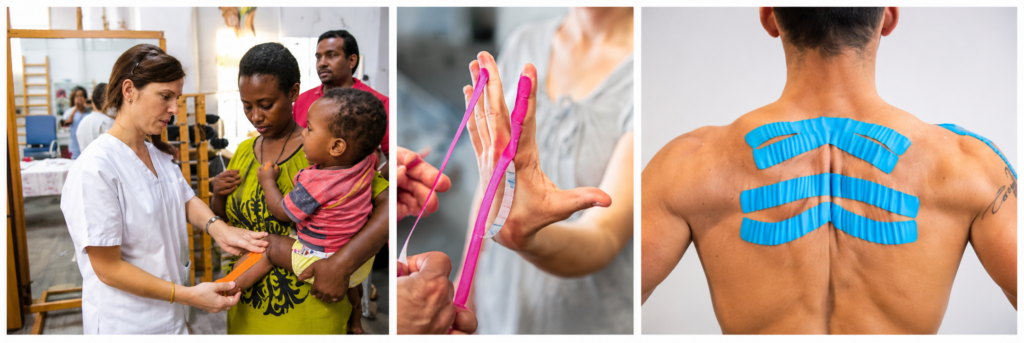
NeuroMuscular Taping (NMT) – Facial Paralysis Rehabilitation
NeuroMuscular Taping (NMT) – Professional Facial Paralysis Rehabilitation
- Stage 1 – Facial Nerve, Orofacial Function and Neuromuscular Rehabilitation
- Elastic Decompression Methodology for Facial Paralysis, Facial Movement, Sensory Rehabilitation and Post-Surgical Recovery
- International NMT Certification Program | 2 Days – 16 Hours + 2-Hour Online Follow-Up
Course Overview
 The NeuroMuscular Taping (NMT) Professional Facial Paralysis Rehabilitation – Stage 1 is an intensive two-day training program designed for healthcare professionals involved in the assessment and rehabilitation of facial nerve disorders, facial movement dysfunction and associated neuromuscular conditions. Developed by the NeuroMuscular Taping Institute in Italy, the course introduces a structured rehabilitation methodology based on elastic decompressive taping applications using zero tension (0%), integrating functional anatomy, cranial nerve physiology, cutaneous sensory stimulation, lymphatic and vascular considerations, and individualized clinical reasoning.
The program focuses on facial nerve paralysis and related conditions affecting the orbital, nasal, oral, mandibular and cervical regions. Particular attention is given to the functional relationships between facial expression, eye closure, oral competence, chewing, swallowing, speech articulation and facial symmetry. Participants learn to assess clinical presentations and develop appropriate NMT applications during the acute, post-acute and functional phases of rehabilitation, including congenital and acquired facial nerve disorders, neurological conditions, traumatic injuries and postoperative recovery. The course combines approximately 10% theoretical instruction and 90% practical demonstrations and supervised applications, allowing participants to progressively develop manual skills and integrate NMT into established rehabilitation strategies.
Who Should Attend?
The program is designed for healthcare professionals involved in facial, neurological and functional rehabilitation, including:
- Medical doctors and rehabilitation specialists
- Physiotherapists and physical therapists
- Occupational therapists
- Nurses and allied healthcare professionals
The program is also relevant to multidisciplinary teams working alongside speech-language pathologists and specialists in orofacial rehabilitation. No previous NeuroMuscular Taping certification is required. Clinical applications must remain within each participant’s professional scope of practice and applicable national healthcare regulations.
Educational Objectives
The primary objective is to provide participants with the anatomical knowledge, clinical reasoning and practical skills necessary to integrate NeuroMuscular Taping into facial paralysis rehabilitation. By the end of the course, participants will be able to:
- Understand the history, development and principles of the NMT elastic decompressive methodology.
- Review the functional anatomy of the facial and trigeminal nerves and their relationships with facial musculature.
- Recognize common causes, clinical manifestations and functional consequences of facial paralysis.
- Assess facial movement, muscular function, sensory responses and functional limitations.
- Identify the cutaneous, fascial, lymphatic and vascular structures relevant to facial applications.
- Develop precise tape-cutting techniques and zero-tension applications for small and complex facial anatomical regions.
- Select appropriate NMT applications for the orbital, nasal, oral, mandibular and cervical regions.
- Understand the potential contribution of decompressive taping to sensory stimulation, tissue mobility, oedema management and functional rehabilitation.
- Develop individualized treatment strategies for acute, post-acute and functional rehabilitation.
- Integrate NMT with established facial neuromuscular rehabilitation, speech therapy and multidisciplinary treatment approaches.
- Recognize contraindications, skin sensitivity, surgical precautions and limitations of the available clinical evidence.
Clinical Applications and Rehabilitation Objectives
The course explores the potential role of NMT in rehabilitation programs addressing peripheral facial paralysis, central facial movement disorders, traumatic nerve injuries, postoperative facial dysfunction and selected neurological conditions. Specific clinical objectives include supporting facial movement awareness, improving functional coordination, managing postoperative oedema, addressing muscular discomfort and promoting appropriate sensory stimulation.
Applications may be integrated into rehabilitation programs involving eye closure, facial expression, lip competence, chewing, oral motor control and swallowing-related functions. Special attention is given to facial nerve recovery, trigeminal nerve involvement, postoperative head and neck rehabilitation, and the anatomical relationships between facial muscles and their cutaneous structures. NMT is presented as a complementary therapeutic methodology rather than a replacement for established medical or neurological rehabilitation.
Course Structure and Practical Training
The program is organized into eight teaching sessions over two days, combining anatomical review, clinical reasoning, instructor demonstrations, supervised applications and clinical case discussions.
Day 1 – Facial Anatomy, Cranial Nerves and Decompressive Applications
8 Hours – Four Teaching Sessions
Session 1 – Introduction to NMT and Clinical Assessment of Facial Paralysis
The opening session introduces the NMT Concept and its specific application principles for facial and orofacial rehabilitation. Topics include the anatomical and physiological foundations of decompressive taping, facial nerve anatomy, trigeminal nerve involvement and the functional organization of facial musculature. Participants review the aetiology, classification, clinical manifestations and assessment of facial paralysis, including selected functional tests and clinical observation strategies. Particular attention is given to the relationships between facial movement, skin elasticity, anatomical positioning and application direction. Clinical examples include facial dysfunction associated with cerebrovascular lesions, head trauma, peripheral nerve injuries and polyneuropathies.
Session 2 – Orbital Region and Periocular Rehabilitation
This session introduces precise decompressive applications for the orbital region and associated facial muscles. Participants examine the differences between tension-based and zero-tension taping, including tape preparation, cutting techniques and anatomical positioning. Practical applications:
- Orbicularis oculi – decompression (0% tension)
- Orbicularis oculi: palpebral, lacrimal and orbital portions
- Corrugator supercilii – decompression (0% tension)
Clinical reasoning addresses periocular movement, facial expression, sensory stimulation and rehabilitation considerations associated with incomplete eye closure. Special emphasis is placed on ocular safety, skin sensitivity and avoiding interference with eyelid function or eye protection.
Session 3 – Nasal Region, Oral Function and Facial Coordination
The third session concentrates on the nasal and perioral regions, exploring their contribution to facial expression, articulation and oral motor function. Practical applications:
- Nasalis – decompression (0% tension)
- Procerus – decompression (0% tension)
- Depressor septi nasi – decompression (0% tension)
- Orbicularis oris – decompression (0% tension)
Clinical applications address nasal and oral muscular coordination, lip movement, articulation and selected difficulties involving chewing and the oral phase of swallowing. Participants examine how facial applications may be integrated into established speech-language and orofacial rehabilitation strategies.
Session 4 – Mandibular and Lower Facial Rehabilitation
The final session of Day 1 examines the functional relationships between the mandibular region, muscles of mastication and lower facial expression. Practical applications:
- Masseter – decompression (0% tension)
- Lateral pterygoid – anatomical review and selected application strategies
- Buccinator – decompression (0% tension)
- Depressor anguli oris – decompression (0% tension)
- Depressor labii inferioris – decompression (0% tension)
Clinical reasoning focuses on mandibular movement, muscular coordination, oral competence, chewing and lower facial movement dysfunction. The session concludes with a review of application procedures and a formative knowledge assessment.
Day 2 – Facial Movement, Sensory Rehabilitation, Lymphatic Drainage and Post-Surgical Recovery
8 Hours – Four Teaching Sessions and Final Assessment
Session 5 – Upper Facial and Perioral Movement Rehabilitation
The first session of Day 2 focuses on the muscles responsible for smiling, upper-lip elevation and facial expression. Practical applications:
- Risorius – decompression (0% tension)
- Zygomaticus major – decompression (0% tension)
- Zygomaticus minor – decompression (0% tension)
- Levator labii superioris – decompression (0% tension)
- Levator labii superioris alaeque nasi – decompression (0% tension)
- Levator anguli oris – decompression (0% tension)
Participants examine muscular coordination, facial asymmetry, movement limitations and the selection of applications according to individual rehabilitation objectives. Clinical reasoning addresses functional recovery and the integration of NMT with facial neuromuscular retraining.
Session 6 – Frontal, Temporal and Trigeminal Nerve Rehabilitation
This session explores the functional anatomy of the frontal and temporal regions and the relationship between facial movement and trigeminal sensory pathways. Practical applications:
- Frontalis – decompression (0% tension)
- Temporalis – decompression (0% tension)
- Selected trigeminal nerve-related application strategies
Participants review sensory assessment, cutaneous stimulation, facial discomfort and the distinction between sensory and motor nerve involvement. Clinical case discussions explore the selection of appropriate treatment objectives in neurological and postoperative rehabilitation.
Session 7 – Facial Lymphatic Drainage and Periauricular Rehabilitation
This session introduces the principles of regional lymphatic drainage using the NMT decompressive methodology. Participants review superficial facial lymphatic anatomy, drainage pathways and application sequencing. Practical applications:
- Infraorbital lymphatic drainage
- Preauricular lymphatic drainage
- Infra-auricular and postauricular lymphatic drainage
- Selected postoperative drainage applications following parotidectomy
Particular attention is given to postoperative oedema, tissue sensitivity, surgical precautions and the integration of NMT with established lymphatic rehabilitation strategies.
Session 8 – Mandibular Drainage, Post-Surgical Applications and Functional Integration
The final teaching session concentrates on mandibular lymphatic drainage, postoperative head and neck rehabilitation, and the integration of facial applications with broader neurosensory strategies. Practical applications and topics:
- Mandibular lymphatic drainage
- Selected applications following mandibular surgery
- Rehabilitation considerations following nasal and throat surgery
- NMT proprioceptive and cutaneous sensory stimulation in facial paralysis
- Hand flexor and extensor applications as examples of broader neurosensory rehabilitation strategies
- Selection of tape width and application configuration for different anatomical regions
Clinical case discussions address treatment sequencing, acute and functional rehabilitation, individual patient assessment and multidisciplinary care. The session concludes with the final theoretical and practical examination.
Teaching Methodology
The NMT Institute adopts an interactive educational model designed to maximize practical skill acquisition and individual learning. Training combines anatomical presentations, step-by-step application demonstrations, instructional videos, supervised practical exercises, clinical case discussions and evidence-informed rehabilitation protocols. Participants work in pairs, alternating between practitioner and model roles. Each application is demonstrated by the instructor and repeated by participants, who receive individual corrections and feedback. The course includes eight structured teaching sessions, with short breaks incorporated into the training schedule. Clinical cases may be presented by instructors or participating healthcare professionals. Optional tutorial exercises and research discussions support the development of clinical reasoning and therapeutic planning.
Full attendance and active participation are compulsory. Appropriate consent and privacy documentation are required for participating models and clinical case presentations.
Final Examination and International Certification
The course includes a structured theoretical and practical assessment designed to evaluate clinical knowledge, anatomical understanding, technical accuracy and individual treatment planning.
Theoretical Assessment: Participants complete an online examination comprising:
- 75 multiple-choice questions
- Written short-answer questions addressing clinical reasoning
- Course evaluation and participant satisfaction questionnaires
Practical Assessment: Participants demonstrate 10 selected NMT applications under the supervision of a certified instructor. Applications are evaluated according to anatomical accuracy, tape preparation, skin positioning, zero tension technique, application direction and clinical objectives.
The practical examination may draw from applications involving the orbital, nasal, oral, mandibular, frontal, temporal, cervical and facial lymphatic regions.
Assessment Criteria: The original program establishes the following assessment weighting:
- Attendance and participation: 45%
- Theoretical examination: 20%
- Practical application examination: 35%
A minimum overall score of 90% is required for successful certification, together with full attendance and satisfactory completion of the required practical assessments. Final evaluations are classified as Pass, Excellent or Distinction.
International Certification
Successful participants receive the: NMT International Certification – Facial Paralysis Rehabilitation, Stage 1 The qualification confirms successful completion of the specialized NMT educational program and its theoretical and practical assessments. Digital certificates and professional membership cards are available through the NMT Institute online platform. Eligible practitioners may apply for inclusion in the NMT International Practitioner Register, with the option to publish professional details, qualifications and clinical practice information. Certification does not extend a practitioner’s legal scope of practice.
Post-Course Mentoring and Continuing Professional Development
The NMT Institute Recognizes that clinical competence develops through continued practice, reflection and professional feedback. Following completion of the course, participants attend a two-hour online feedback and mentoring session, scheduled approximately one to three months after training. This session focuses on:
- Review of NMT application procedures
- Development of treatment protocols for acute and functional facial paralysis
- Discussion of clinical experiences and patient presentations
- Individual questions and technical feedback
- Review of relevant scientific research
- Case reports and continuing skill development
Participants also benefit from direct communication with their NMT instructor through a dedicated WhatsApp group for up to two years.
Educational Materials: Participants receive access to the NMT educational workbook and supporting course resources through the Institute’s online platform. The practical training kit includes a backpack, skin-marking pencil, scissors and coloured elastic adhesive tapes. Instructional application videos are available for viewing during the course, subject to the Institute’s educational access and copyright policies.
Recommended study materials include NeuroMuscular Taping: From Theory to Practice, specialized NMT publications on oedema, haematoma and scar rehabilitation, and relevant textbooks covering functional anatomy, cranial nerves, lymphatic physiology and clinical neurophysiology.
Course Information
- Course Title: NeuroMuscular Taping Professional Facial Paralysis Rehabilitation – Stage 1
- Course Code: NMTFP 2/I°
- Duration: 2 days – 16 hours, including the examination process
- Additional Training: 2-hour online follow-up session
- Teaching Format: Live classroom laboratory, practical demonstrations and supervised applications
- Teaching Approach: Approximately 10% theory and 90% practical training
- Maximum Participants: 24
- Course Director: David Blow, Founder and Research Director, NeuroMuscular Taping Institute
- Previous NMT Certification: Not required
- Assessment: 75-question theoretical examination and 10 practical applications
- Passing Requirement: Minimum 90% overall score
- Certification: NMT International Certification – Facial Paralysis Rehabilitation, Stage 1
- Continuing Education Credits: Subject to national accreditation and approval
- Professional Support: Online mentoring and instructor communication for up to two years
Join the International NMT Professional Community
Develop specialized decompressive taping skills for facial paralysis rehabilitation, strengthen your understanding of facial anatomy and cranial nerve function, and learn to integrate NMT applications into individualized neurological, orofacial and postoperative rehabilitation programs. Advance your professional skills through internationally structured NMT education, intensive hands-on training and continuing clinical support.
NeuroMuscular Taping (NMT) – Head Trauma and Spinal Cord Rehabilitation
NeuroMuscular Taping (NMT) – Professional Head Trauma and Spinal Cord Rehabilitation
Stage 1 – Neurological, Spinal Cord Injury and Upper Extremity Rehabilitation
Elastic Decompression Methodology for Central Nervous System Injuries, Neuromuscular Dysfunction and Functional Rehabilitation
International NMT Certification Program | 2 Days – 16 Hours + 2-Hour Online Follow-Up
Course Code: NMTOT 2/SP°
Course Overview
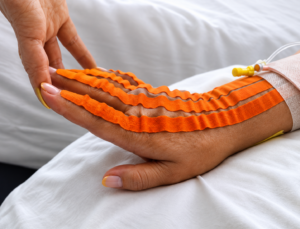 The NeuroMuscular Taping (NMT) Professional Brain and Spinal Cord Rehabilitation – Stage 1 is an intensive two-day training program designed for healthcare professionals involved in neurological rehabilitation, spinal cord injury management, upper-extremity functional recovery and the treatment of associated neuromuscular conditions. Developed by the NeuroMuscular Taping Institute in Italy, the course introduces a structured clinical methodology based on elastic decompressive taping applications using zero tension (0%), integrating functional anatomy, neurophysiology, cutaneous sensory stimulation, lymphatic and vascular considerations, and evidence-informed clinical reasoning.
The program focuses on rehabilitation following traumatic and non-traumatic injuries to the central nervous system, including spinal cord lesions, partial or complete tetraplegia, upper-limb paralysis, spasticity, dystonia, sensory impairment and associated musculoskeletal complications. Particular attention is given to the functional relationships between the brain, spinal cord, peripheral nervous system, upper extremities, cervical region, thorax and respiratory musculature. Unlike tension-based taping techniques, NMT decompressive applications use elastic adhesive tape applied without tension while the skin and body region are positioned in functional elongation. When the body returns to its neutral position, characteristic skin convolutions become visible beneath the tape.
The course examines how this methodology may be integrated into established neurological rehabilitation programs to support cutaneous sensory stimulation, superficial tissue mobility, oedema management, muscular function and progressive functional recovery. Participants learn to select appropriate NMT applications during the acute, post-acute and functional rehabilitation phases, adapting treatment strategies to the patient’s neurological condition, clinical presentation and individual rehabilitation objectives. The educational format combines approximately 10% theoretical instruction and 90% practical demonstrations and supervised applications, ensuring intensive development of clinical and manual skills.
Who Should Attend?
The program is designed for healthcare professionals involved in neurological, spinal cord and functional rehabilitation, including:
- Medical doctors, neurologists, physiatrists and rehabilitation specialists
- Physiotherapists and physical therapists
- Occupational therapists
- Lymphatic drainage and vascular rehabilitation specialists
- Rehabilitation and allied healthcare professionals
- Eligible final-year students enrolled in relevant healthcare degree programs
The program is particularly relevant to multidisciplinary teams working in neurological rehabilitation units, spinal cord injury centres, hospital rehabilitation departments and community-based rehabilitation services. No previous NeuroMuscular Taping certification is required. Participation and clinical applications must remain within each professional’s scope of practice and applicable national healthcare regulations.
Educational Objectives
The primary objective is to provide participants with the anatomical knowledge, clinical reasoning and practical competence necessary to integrate NeuroMuscular Taping into neurological and spinal cord injury rehabilitation. By the end of the course, participants will be able to:
- Understand the history, development and fundamental principles of the NMT elastic decompressive methodology.
- Review the functional relationships between the central nervous system, peripheral nerves, muscular structures and cutaneous sensory pathways.
- Recognise the principal clinical manifestations of traumatic and non-traumatic spinal cord injuries.
- Understand the differences between complete and incomplete spinal cord lesions and their functional consequences.
- Assess muscular weakness, flaccid paralysis, spasticity, dystonia, sensory alterations and associated movement limitations.
- Identify relevant lymphatic, vascular, fascial and cutaneous anatomical pathways of the upper extremities, neck and trunk.
- Develop appropriate zero-tension applications for sensory, muscular, lymphatic and functional rehabilitation objectives.
- Differentiate treatment priorities during the acute, post-acute and functional rehabilitation phases.
- Select NMT applications for upper-limb paralysis, muscular weakness, joint dysfunction and postoperative recovery.
- Understand the potential role of NMT in managing oedema, haematomas, superficial tissue restrictions and selected scar-related complications.
- Develop individualised treatment protocols based on clinical assessment, neurological presentation and rehabilitation objectives.
- Integrate NMT with established physiotherapy, occupational therapy, neurological rehabilitation and multidisciplinary treatment programs.
- Recognise contraindications and precautions associated with impaired sensation, fragile skin, pressure injuries and autonomic dysfunction.
Clinical Applications and Rehabilitation Objectives
The course explores the potential integration of NMT into rehabilitation programs addressing neurological impairment following brain and spinal cord injuries. Clinical applications focus on upper-extremity motor dysfunction, altered sensation, muscular weakness, flaccid paralysis, spasticity, dystonia, postoperative oedema, neurogenic pain and secondary musculoskeletal complications. Particular emphasis is placed on the hand, wrist, elbow, shoulder, cervical region and upper trunk, together with the functional relationships between upper-limb movement, posture and respiratory mechanics. The program also introduces NMT applications for scar management, lymphatic drainage, tissue mobility and rehabilitation considerations associated with pressure injuries. NMT is presented as a complementary rehabilitation methodology intended to support individualised treatment objectives. It does not replace established neurological, medical, surgical or physiotherapeutic interventions.
Course Structure and Practical Training
The program is organised into two intensive teaching days, combining anatomical review, clinical reasoning, practical demonstrations, supervised applications and clinical case discussions.
Day 1 – Central Nervous System Rehabilitation, Spinal Cord Injury and Sensory-Motor Applications
8 Hours – Theory, Clinical Reasoning and Supervised Practical Training
Introduction to the NMT Approach in Neurological Rehabilitation.
The first day introduces the NeuroMuscular Taping Concept and its application principles in central nervous system rehabilitation. Participants examine the anatomical and physiological relationships between the brain, spinal cord, peripheral nervous system, muscular structures and cutaneous sensory pathways. The session introduces the NMT elastic decompressive methodology, including zero-tension applications, skin elongation, anatomical positioning, tape preparation and treatment sequencing. Topics include:
- History and development of NeuroMuscular Taping
- Decompressive versus tension-based taping methodologies
- ELASTO muscular decompression principles
- Functional anatomy and neurological rehabilitation
- Cutaneous sensory stimulation and proprioceptive considerations
- Lymphatic and vascular pathways relevant to neurological rehabilitation
- Clinical indications, contraindications and application precautions
- NMT skill development and individualised treatment planning
Spinal Cord Injury and Neurological Assessment
Participants review traumatic and non-traumatic spinal cord injuries, including complete and incomplete lesions, tetraplegia and associated neurological complications. Clinical reasoning focuses on identifying appropriate treatment objectives according to the level and severity of neurological impairment. Topics include:
- Complete and incomplete spinal cord lesions
- Traumatic and non-traumatic tetraplegia
- Upper motor neuron and lower motor neuron dysfunction
- Flaccid paralysis, muscular atrophy and weakness
- Altered or absent cutaneous sensation
- Post-traumatic and postoperative neurological rehabilitation
- Acute, post-acute and functional rehabilitation phases
- Progressive treatment planning and multidisciplinary rehabilitation
Upper Extremity Sensory and Muscular Applications
The practical laboratory introduces the lines of maximum skin elasticity and their relationship to NMT application positioning. Participants develop specific manual skills for the upper extremities, with particular attention to patients presenting with neurological deficits. Practical applications include:
- Sensory applications for partial or complete alterations in cutaneous sensation
- Upper-extremity applications following neurological trauma
- NMT applications for flaccid paralysis and muscular weakness
- Selected applications for upper-limb muscular atrophy
- Cutaneous stimulation and neurosensory rehabilitation strategies
- Upper-limb postoperative lymphatic drainage
- Decompressive applications following spinal or upper-extremity surgery
- Applications addressing haematomas of the upper limb, neck and trunk
Clinical Reasoning and Rehabilitation Phases
The final part of Day 1 concentrates on selecting and adapting NMT applications according to the patient’s stage of recovery. Participants examine the differences between early postoperative or acute neurological rehabilitation, post-acute recovery and functional re-education. Clinical case discussions explore the integration of NMT with established rehabilitation procedures, including patient positioning, movement therapy, sensory assessment and progressive functional training. Particular emphasis is placed on avoiding excessive mechanical stimulation in patients with altered sensation, fragile skin or autonomic instability.
Day 2 – Upper Extremity Neuromuscular Rehabilitation, Spasticity, Joint Dysfunction and Functional Recovery
8 Hours – Practical Applications, Clinical Protocols and Final Assessment
Spasticity, Dystonia and Upper-Limb Motor Rehabilitation
The second day concentrates on neuromuscular dysfunction affecting the upper extremities following central nervous system injury. Participants examine the functional relationships between muscular tone, joint mobility, sensory feedback and upper-limb movement. Practical applications include:
- Upper-extremity spasticity and dystonia
- Hand and wrist flexor musculature
- Hand and wrist extensor musculature
- Muscular weakness affecting grasp and release
- Elbow and forearm rehabilitation
- Biceps and triceps applications
- Shoulder and scapular musculature
- Cervical musculature and selected head-and-neck dystonia applications
Clinical reasoning addresses muscular imbalance, movement restrictions, impaired hand function and the integration of NMT with occupational and physical rehabilitation.
Neurogenic Pain and Functional Joint Rehabilitation
This session examines selected NMT applications for patients presenting with neurological pain and secondary musculoskeletal dysfunction. Topics include:
- Neurogenic pain affecting the upper extremities
- Hand, joint and muscular discomfort
- Rehabilitation considerations following amputation
- Adhesive capsulitis
- Scapulohumeral subluxation
- Brachial plexus injuries
- Shoulder multidirectional instability
- Scapulohumeral joint dysfunction
Participants learn to distinguish neurological impairment from secondary muscular and joint complications when selecting treatment objectives.
Respiratory, Trunk and Postural Rehabilitation
The course introduces the functional relationships between the respiratory musculature, trunk stability, cervical region and upper-extremity movement. Practical applications include:
- Diaphragmatic region
- Thoracic and dorsal musculature
- Upper-trunk functional applications
- Cervical and postural rehabilitation considerations
Clinical reasoning addresses the integration of NMT into respiratory and postural rehabilitation, particularly for patients with reduced mobility and neurological impairment.
Scar Management, Lymphatic Drainage and Skin Integrity
The practical laboratory introduces applications for postoperative scars, regional lymphatic drainage and superficial tissue mobility. Topics include:
- Anatomical location and clinical assessment of scar tissue
- Scar maturation and tissue sensitivity
- Superficial and deeper tissue adherence considerations
- Scar hypersensitivity and hyposensitivity
- Postoperative oedema and lymphatic congestion
- Regional lymphatic drainage principles
- Skin integrity and pressure injury risk
- Appropriate precautions in patients with impaired sensation
Participants examine how NMT may complement established wound prevention and skin management strategies. NMT must not be applied directly over open pressure injuries, infected tissue or compromised skin without appropriate clinical assessment and authorisation.
Clinical Integration and Final Assessment
The final teaching session focuses on individualised treatment planning and the integration of NMT into multidisciplinary neurological rehabilitation. Participants review practical applications, discuss clinical cases and complete the theoretical and practical assessment.
Teaching Methodology
The NMT Institute adopts an interactive educational model designed to maximise practical competence through supervised learning and repeated applications. The course combines anatomical presentations, instructional videos, clinical demonstrations, practical workshops, scientific literature and clinical case discussions. Participants work in pairs, alternating between practitioner and model roles. Each application is demonstrated by the instructor and repeated by participants under direct supervision. Individual feedback is provided on anatomical positioning, tape preparation, skin elongation, application direction, clinical objectives and technical accuracy. The course is organised into structured teaching sessions with short breaks to support concentration and practical learning. Clinical cases may be presented by instructors or participating healthcare professionals. Appropriate privacy and consent documentation is required for clinical demonstrations and patient-related material. Full attendance and active participation are compulsory.
Final Examination and International Certification
The course includes a structured theoretical and practical assessment designed to evaluate clinical understanding, anatomical knowledge, application precision and individualised treatment planning.
Theoretical Assessment
Participants complete an online examination comprising:
- 75 multiple-choice questions
- Written responses addressing clinical reasoning and treatment objectives
- Course evaluation and participant satisfaction questionnaires
Practical Assessment
Participants demonstrate 8 selected NMT applications under the supervision of a certified instructor.
Applications are evaluated according to:
- Anatomical accuracy
- Tape preparation and cutting
- Patient and skin positioning
- Zero-tension decompressive technique
- Application direction
- Clinical reasoning and treatment objectives
- Technical precision and patient safety
The practical assessment requires approximately one to two hours within the examination process.
Assessment Criteria
The final evaluation considers the theoretical examination, practical assessment and instructor evaluation. A minimum overall score of 90% is required for successful certification. Final evaluations are classified as Pass, Excellent or Distinction.
International Certification
Successful participants receive the: NMT International Certification – Brain and Spinal Cord Rehabilitation, Stage 1. The qualification confirms successful completion of the specialised NMT educational program and its theoretical and practical assessments. Certificates and professional membership cards are available through the NMT Institute platform. Eligible practitioners may apply for inclusion in the NMT International Practitioner Register, with the option to publish professional qualifications, workplace information and clinical practice details. Certification does not extend a practitioner’s legal scope of practice.
Post-Course Mentoring and Continuing Professional Development
Following completion of the course, participants receive a two-hour online feedback and mentoring session, scheduled approximately two months after training. The session provides an opportunity to review clinical applications, discuss rehabilitation protocols and develop practical skills through professional feedback. Topics include:
- Review of NeuroMuscular Taping application procedures
- Discussion of clinical experiences
- Review of selected neurological rehabilitation protocols
- Individual technical questions and application corrections
- Clinical case presentations and discussion
- Continuing professional development and research considerations
Participants also benefit from direct communication with their NMT instructor through a dedicated WhatsApp group for up to two years.
Educational Materials
Participants receive access to the NMT educational workbook and supporting course resources. The workbook is made available in digital format approximately seven days before the course, allowing participants to prepare for the theoretical and practical sessions. The training kit includes a backpack, skin-marking pencil, scissors and coloured elastic adhesive tapes. Practical training materials are provided during the classroom laboratory. Participants are expected to bring their taping kit to all training sessions. Recommended study materials include:
- NeuroMuscular Taping: From Theory to Practice – Edi Ermes, Milan, 2012
- NeuroMuscular Taping: Treatment of Oedema, Haematoma and Scarring – Edi Ermes, Milan
- Functional anatomy and biomechanics textbooks
- Lymphatic and vascular anatomy references
- Clinical neurophysiology and neurological rehabilitation literature
Additional educational materials may be provided through the NMT online platform.
Course Information
- Course Title: NeuroMuscular Taping Professional Brain and Spinal Cord Rehabilitation – Stage 1
- Course Code: NMTOT 2/SP°
- Duration: 2 days – 16 hours, including the examination process
- Additional Training: 2-hour online feedback session approximately two months after completion
- Training Format: Live classroom laboratory, practical demonstrations and supervised applications
- Teaching Approach: Approximately 10% theory and 90% practical training
- Maximum Participants: 24–30
- Course Director: David Blow, Founder and Research Director, NeuroMuscular Taping Institute
- Entry Requirements: Healthcare professionals and eligible final-year healthcare students
- Previous NMT Certification: Not required
- Assessment: 75-question theoretical examination and 8 practical applications
- Passing Requirement: Minimum 90% overall score
- Certification: NMT International Certification – Brain and Spinal Cord Rehabilitation, Stage 1
- Continuing Education Credits: Subject to national accreditation and approval
- Professional Support: Online mentoring and instructor communication for up to two years
Join the International NMT Professional Community
Develop specialised decompressive taping skills for neurological and spinal cord injury rehabilitation, strengthen your understanding of sensory-motor dysfunction, and learn to integrate NeuroMuscular Taping into individualised rehabilitation programs. Through intensive practical education, clinical reasoning and continuing professional support, the NMT Institute promotes the responsible integration of decompressive taping into multidisciplinary neurological rehabilitation.
Advance your professional rehabilitation skills through internationally structured NMT education, supervised clinical applications and continuing professional development.
NeuroMuscular Taping (NMT) – Aged Care and Rehabilitation Training Stage 1
NeuroMuscular Taping (NMT) – Professional Aged Care and Rehabilitation Training – Stage 1
Decompressive Taping for Healthy Ageing, Functional Mobility, Pain Management, Lymphatic Rehabilitation and Independence
International NMT Professional Specialisation and Certification | 2 Days – 16 Hours + 2-Hour Online Follow-Up
Course Overview
Course Code: NMT GER 2/I°
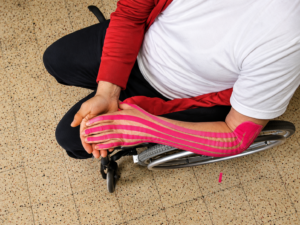 The NeuroMuscular Taping (NMT) Professional Older Adult Care and Rehabilitation Training – Stage 1 is a specialised two-day educational program designed for healthcare and rehabilitation professionals involved in supporting the health, mobility, functional independence and quality of life of older adults. Developed by the NeuroMuscular Taping Institute in Italy, the program introduces a structured clinical methodology based on elastic decompressive taping applied with zero tension (0%), integrating functional anatomy, lymphatic and vascular physiology, neuromuscular coordination, cutaneous biomechanics and age-related rehabilitation.
Ageing is frequently associated with changes in muscular strength, joint mobility, skin elasticity, peripheral circulation, balance and proprioception. Chronic musculoskeletal conditions, neurological disorders, previous fractures, surgical interventions and periods of immobilisation may further influence an older person’s ability to perform daily activities independently. The NMT methodology involves applying elastic adhesive tape without tension while the skin and underlying body region are positioned in functional elongation. When the body returns to its neutral position, characteristic skin convolutions develop beneath the tape. These applications are intended to provide cutaneous and mechanical stimuli that may complement established rehabilitation strategies addressing regional oedema, tissue mobility, sensory awareness and movement-related discomfort.
The program examines the integration of NMT into acute, post-acute and functional rehabilitation, with particular attention to the individual needs of older adults experiencing osteoarthritis, chronic musculoskeletal pain, lymphatic congestion, post-fracture limitations, reduced mobility, neurological disorders and postoperative scarring. The course also introduces NMT applications within multidisciplinary fall-prevention and functional recovery programs, emphasising the importance of balance training, strength maintenance, safe movement and progressive independence. Special consideration is given to age-related skin fragility, reduced tissue elasticity, impaired sensation, vascular conditions, multiple chronic illnesses and the need for careful clinical monitoring.
The educational approach combines theoretical instruction, instructor demonstrations, supervised practical laboratories and clinical case discussions. Participants learn to adapt each application according to the patient’s functional capacity, clinical condition and rehabilitation objectives. NMT is presented as a complementary rehabilitation methodology and does not replace established medical treatment, physiotherapy, exercise therapy, fracture management or specialist neurological care.
Who Should Attend?
The course is intended for medical doctors, rehabilitation medicine specialists, physiotherapists, occupational therapists, osteopaths, exercise science professionals and eligible final-year healthcare students. It is particularly relevant to professionals working in older adult rehabilitation, residential care facilities, community health services, neurological rehabilitation, orthopaedic rehabilitation, home-based care and multidisciplinary healthy-ageing programs.
Prerequisite: Successful completion of at least one recognised NMT training course is required.
Educational Objectives
The principal objective is to develop the clinical reasoning and practical skills necessary to integrate NeuroMuscular Taping into individualised rehabilitation programs for older adults. Participants will learn to:
- Understand the physiological and functional changes associated with ageing and their implications for NMT applications.
- Review decompressive NMT methodology, zero-tension applications and maximum lines of skin elasticity (MEL).
- Develop applications for osteoarthritis, chronic musculoskeletal pain and selected joint mobility restrictions.
- Integrate regional lymphatic drainage techniques into the management of chronic and postoperative oedema.
- Assess post-fracture rehabilitation requirements and the functional consequences of prolonged immobilisation.
- Examine NMT applications for proprioceptive stimulation and movement awareness in older adults with neurological conditions.
- Integrate NMT with balance training, mobility exercises and multidisciplinary fall-prevention strategies.
- Recognise contraindications and precautions associated with fragile skin, vascular disorders, impaired sensation and complex medical conditions.
The program emphasises person-centred rehabilitation, patient safety, functional independence and continuity of care.
Course Structure and Practical Training
Day 1 – Musculoskeletal Rehabilitation, Pain Management and Lymphatic Care
8 Hours – NMT Foundations, Osteoarthritis, Chronic Oedema and Musculoskeletal Mobility
Session 1 – NMT Foundations and Age-Related Rehabilitation
The opening session introduces the history and development of NeuroMuscular Taping, its distinguishing decompressive methodology and the anatomical and physiological principles relevant to older adult rehabilitation. Participants review the differences between compressive and decompressive taping, eccentric application principles, skin elasticity and the relationships between ageing, tissue mobility and lymphatic function. The course examines the adaptation of NMT applications to age-related skin changes, reduced mobility, vascular conditions and neurological sensitivity.
Practical laboratory: Assessment of skin elasticity, anatomical positioning, tape preparation, zero-tension application and the selection of appropriate decompressive configurations. The session also introduces contraindications, clinical precautions and the development of individualised NMT rehabilitation protocols.
Session 2 – Osteoarthritis and Joint Mobility Rehabilitation
This session examines NMT applications for older adults experiencing osteoarthritis and degenerative joint conditions. Participants review common functional limitations involving the knee, hip and shoulder, including pain, stiffness, reduced joint mobility and difficulty performing everyday activities.
Practical laboratory: NMT knee, hip and shoulder decompression applications adapted to individual joint mobility and tissue sensitivity. Applications are integrated with gentle mobilisation, functional exercise and progressive movement strategies. The session emphasises realistic rehabilitation objectives, including improved movement confidence, functional participation and management of movement-related discomfort.
Session 3 – Lymphatic Drainage and Chronic Oedema
The third session introduces the principles of lymphatic and vascular rehabilitation in older adults. Participants review superficial lymphatic anatomy, regional fluid accumulation, postoperative oedema and the effects of reduced mobility on lower- and upper-extremity circulation.
Practical laboratory: NMT proximal lymphatic drainage, upper-extremity and lower-extremity fan-cut applications, and selected configurations for regional oedema. Clinical reasoning addresses the appropriate selection of drainage pathways, skin assessment and integration with established oedema management. Particular attention is given to distinguishing chronic oedema from swelling associated with cardiac, renal, venous or other medical conditions requiring assessment before treatment.
Session 4 – Chronic Musculoskeletal Pain and Functional Mobility
The final session of Day 1 focuses on chronic musculoskeletal pain and movement restrictions frequently encountered in older adults. Participants review lumbar discomfort, cervical pain, muscular tension, joint stiffness and the effects of reduced physical activity on functional mobility.
Practical laboratory: NMT lumbar and cervical decompression, selected muscular applications and regional techniques adapted to older adults. Applications are integrated with postural education, gentle mobility exercises and progressive functional movement. The day concludes with clinical case discussions, supervised practical review and instructor feedback.
Day 2 – Post-Fracture Recovery, Neurological Rehabilitation and Functional Independence
8 Hours – Immobilisation, Parkinson’s Disease, Proprioception, Scar Management and Practical Assessment
Session 5 – Post-Fracture Rehabilitation in Older Adults
The second day introduces NMT applications following fractures and orthopaedic injuries commonly encountered in older adults. Participants review the rehabilitation implications of fragility fractures, osteoporosis, immobilisation, muscular weakness and reduced functional mobility. Clinical discussion includes post-fracture oedema, joint stiffness, pain and progressive return to daily activities.
Practical laboratory: Selected NMT regional decompression and lymphatic drainage applications for post-fracture rehabilitation. Applications are adapted according to fracture stability, skin integrity, medical clearance and the stage of tissue recovery. The session emphasises that NMT does not replace fracture stabilisation or established rehabilitation and has not been demonstrated to accelerate bone consolidation.
Session 6 – Immobilisation Syndrome, Frailty and Reduced Mobility
This session examines the consequences of prolonged bed rest, hospitalisation and reduced physical activity in older adults. Participants review muscular deconditioning, joint stiffness, reduced balance, altered proprioception and the functional effects of immobility.
Practical laboratory: NMT applications involving the lower extremities, trunk and selected muscular regions, adapted to patients with limited mobility. Applications are integrated with assisted movement, gentle mobilisation, progressive strengthening and functional rehabilitation. Special attention is given to frailty, pressure injury prevention, skin integrity and safe patient positioning. The session also examines the role of multidisciplinary care in maintaining mobility and reducing the complications of prolonged inactivity.
Session 7 – Parkinson’s Disease and Neurological Rehabilitation
The third session introduces NMT applications for older adults with Parkinson’s disease and other neurological conditions affecting mobility, balance and muscular coordination. Participants review rigidity, bradykinesia, altered postural control, gait disturbances and proprioceptive dysfunction.
Practical laboratory: Selected NMT trunk, cervical and lower-extremity applications intended to complement movement awareness and neurological rehabilitation exercises. Applications are integrated with balance training, gait rehabilitation and functional movement strategies. The session emphasises individual assessment, fall-risk management and collaboration with the treating neurological rehabilitation team.
Session 8 – Postoperative Scars, Skin Integrity and Functional Recovery
The final practical session examines the management of healed postoperative and post-traumatic scars in older adults. Participants review scar maturation, superficial tissue restrictions, altered cutaneous sensitivity and the particular challenges associated with fragile or ageing skin.
Practical laboratory: NMT scar decompression, selected fan-cut and wave configurations, and regional applications adapted to tissue condition and tolerance. Applications are considered only when the skin is fully closed and clinically suitable for adhesive tape. The session also examines the integration of scar rehabilitation with joint mobility, functional exercise and activities of daily living. The course concludes with clinical case discussions, practical feedback and preparation for the final assessment.
Online Follow-Up – Clinical Integration and Skill Development
2 Hours – Approximately Two Months After Course Completion
The NMT educational pathway includes a structured online follow-up session designed to support the integration of newly acquired skills into clinical practice. Participants review selected applications, discuss patient cases and receive feedback on application techniques, treatment planning and rehabilitation progression. The session focuses on clinical reasoning, lymphatic rehabilitation, musculoskeletal applications, neurological rehabilitation and the practical challenges of working with older adults. Participants are encouraged to present anonymised clinical cases, application photographs and functional observations in accordance with applicable patient privacy requirements. The follow-up also includes discussion of relevant scientific publications and opportunities for further professional development.
Teaching Methodology and Practical Skill Development
The program combines theoretical instruction with intensive supervised practical training, clinical demonstrations and case-based learning. Each practical application is introduced through anatomical explanation and step-by-step demonstration. Participants then practise the technique on a colleague or suitable model under instructor supervision. The course is organised into approximately two-hour teaching sessions, with scheduled breaks, allowing progressive skill development and individual feedback. Clinical cases may be presented by instructors or participants and are discussed according to patient assessment, treatment objectives, application selection, rehabilitation progression and outcome evaluation. A dedicated course communication group provides access to instructor feedback and professional discussion for up to two years following training, subject to the Institute’s communication and privacy arrangements. All practical models and clinical cases must comply with appropriate consent and privacy procedures. Full attendance and active participation are mandatory.
Final Examination and International Certification
The program includes a theoretical and practical examination designed to evaluate clinical knowledge, anatomical precision and technical competence.
- Theoretical examination: A 75-question multiple-choice questionnaire, administered online, covering NMT methodology, older adult rehabilitation, lymphatic physiology, musculoskeletal conditions, neurological rehabilitation, contraindications and application techniques.
- Practical examination: A supervised skill assessment involving a selection of 10 NMT applications, evaluated according to anatomical accuracy, tape preparation, patient positioning, zero-tension methodology, clinical reasoning and patient safety.
The examination process is expected to require approximately two hours, with individual feedback provided by an NMT instructor or examiner. The final assessment combines the written examination, practical examination and instructor evaluation. Successful participants receive the NMT International Certification – Older Adult Care and Rehabilitation, Stage 1, together with an NMT qualification diploma and individual international certification number. Results are classified as Pass, Excellent or Distinction. Certification confirms successful completion of the educational program and does not extend the participant’s legal scope of professional practice.
Educational Materials
Participants receive an NMT study and practical training kit containing a backpack, skin-marking dermo-pencil, scissors, multicoloured elastic adhesive tape, course workbook, qualification certificate and certification membership card. The original educational kit has an indicated value of approximately €40.
Recommended Reading
- NeuroMuscular Taping: From Theory to Practice – Edi Ermes, Milan, 2012.
- NeuroMuscular Taping: Treatment of Oedema, Haematoma and Scarring – Edi Ermes, Milan.
- Healthy ageing, frailty, fall prevention, osteoarthritis, lymphatic rehabilitation, Parkinson’s disease, post-fracture rehabilitation and functional mobility literature.
Additional scientific publications and educational resources may be provided through the NMT Institute.
Course Information
- Course Title: NeuroMuscular Taping Professional Older Adult Care and Rehabilitation – Stage 1
- Course Code: NMT GER 2/I°
- Duration: 2 days – 16 hours, plus a 2-hour online follow-up approximately two months later.
- Day 1: Musculoskeletal Rehabilitation, Pain Management and Lymphatic Care – 8 hours.
- Day 2: Post-Fracture Recovery, Neurological Rehabilitation and Functional Independence – 8 hours.
- Target Participants: Medical doctors, physiotherapists, occupational therapists, osteopaths, exercise science professionals and eligible final-year healthcare students.
- Maximum Participants: 24.
- Training Format: Classroom education, clinical demonstrations, supervised practical laboratories, case discussions and online follow-up.
- Prerequisites: Completion of at least one recognised NMT training course.
- Attendance: 100% mandatory.
- Assessment: 75 multiple-choice questions and a practical examination involving 10 selected applications.
- Certification: NMT International Certification – Older Adult Care and Rehabilitation, Stage 1.
- Continuing Education Credits: ECM/CME credits where accreditation has been approved by the relevant national authority and the participant’s profession is eligible.
- Educational Materials: NMT workbook, practical training kit, certificate and certification membership card.
- Post-Course Support: Two-hour online follow-up and access to the dedicated course communication group for up to two years.
Supporting Healthy Ageing, Mobility and Functional Independence
The NMT Professional Older Adult Care and Rehabilitation Training Program provides healthcare professionals with a structured educational pathway for integrating elastic decompressive taping into rehabilitation programs for older adults. Through functional anatomy, lymphatic rehabilitation, musculoskeletal care, neurological applications and intensive supervised practice, participants develop specialised skills for adapting NMT to the changing physical and functional needs associated with ageing. The integration of pain management, joint mobility, post-fracture rehabilitation, oedema management, balance training and scar care provides a multidisciplinary framework for supporting independence and participation in everyday life.
Supporting healthy ageing means more than treating individual symptoms. It means preserving mobility,
encouraging participation, maintaining functional independence and helping older adults remain active throughout the ageing process.
NeuroMuscular Taping (NMT) – Visceral, Abdominal and Pelvic Functional Rehabilitation Training
NeuroMuscular Taping (NMT) – Professional Visceral, Abdominal and Pelvic Functional Rehabilitation Training – Stage 1
Decompressive Taping for Visceral Proprioception, Diaphragmatic Function, Abdominal Mobility, Pelvic Rehabilitation and Post-Surgical Recovery
International NMT Professional Specialisation and Certification | 2 Days – 16 Hours + 2-Hour Online Follow-Up
Course Overview
Course Code: NMTVE/I°
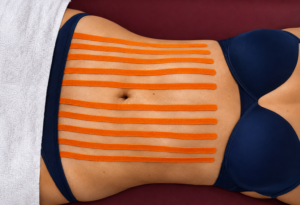 The NeuroMuscular Taping (NMT) Professional Visceral, Abdominal and Pelvic Functional Rehabilitation Training – Stage 1 is an intensive two-day educational program designed for healthcare professionals involved in abdominal, respiratory, pelvic and post-surgical rehabilitation. Developed by the NeuroMuscular Taping Institute in Italy, the program introduces a structured clinical methodology based on elastic decompressive taping applied with zero tension (0%), integrating functional anatomy, cutaneous biomechanics, myofascial continuity, diaphragmatic movement, abdominal wall function and proprioceptive rehabilitation.
The abdominal and pelvic regions form a complex functional system involving the diaphragm, abdominal musculature, thoracolumbar fascia, pelvic floor, connective tissues and the internal organs. Respiratory movement, abdominal pressure regulation, postural control and pelvic muscular coordination are closely interconnected. Following abdominal or pelvic surgery, prolonged inactivity, muscular dysfunction or certain functional disorders, patients may experience reduced abdominal wall mobility, altered breathing patterns, superficial tissue restrictions, scar sensitivity and difficulties coordinating abdominal and pelvic movement. The NMT methodology involves applying elastic adhesive tape without tension while the skin and underlying body region are positioned in functional elongation. When the body returns to its neutral position, characteristic skin convolutions develop beneath the tape. These applications provide cutaneous mechanical stimulation and may complement established rehabilitation strategies addressing superficial tissue mobility, movement awareness and regional discomfort.
The program examines the integration of NMT into post-acute and functional rehabilitation, with particular attention to abdominal wall function, diaphragmatic mobility, pelvic coordination, regional lymphatic drainage and postoperative scar management. Clinical discussions include gastrointestinal, urinary, gynaecological and hepatobiliary conditions, with emphasis on recognising the difference between functional rehabilitation objectives and medical treatment of internal organ disorders. Particular attention is given to the relationships between breathing, diaphragm movement, abdominal wall coordination, pelvic floor function and visceral movement during respiration.
The course combines theoretical instruction, supervised practical laboratories, step-by-step application demonstrations and clinical case discussions. Participants learn to adapt each NMT application according to the patient’s diagnosis, clinical presentation, tissue condition and rehabilitation objectives. NMT is presented as a complementary rehabilitation methodology. External taping has not been established as a treatment for diseases of the stomach, intestines, liver, pancreas, kidneys or other internal organs and does not replace appropriate medical assessment or treatment.
Who Should Attend?
The course is intended for medical doctors, medical specialists, physiotherapists, osteopaths and eligible final-year healthcare students. It is particularly relevant to professionals working in abdominal and pelvic rehabilitation, postoperative recovery, respiratory rehabilitation, musculoskeletal rehabilitation and multidisciplinary functional rehabilitation services.
Prerequisites: No previous NMT certification is required. Participants must apply the techniques within their professional scope of practice.
Educational Objectives
The principal objective is to develop the anatomical knowledge, clinical reasoning and practical skills necessary to integrate NeuroMuscular Taping into abdominal, diaphragmatic and pelvic functional rehabilitation. Participants will learn to:
- Understand NMT decompressive methodology, zero-tension applications and maximum lines of skin elasticity (MEL).
- Review the functional anatomy of the abdominal wall, diaphragm, lumbar region, pelvis and superficial connective tissues.
- Examine the relationships between respiratory mechanics, abdominal wall movement, intra-abdominal pressure and pelvic floor coordination.
- Develop NMT applications for abdominal, lumbar and pelvic muscular regions.
- Integrate selected lymphatic drainage applications into abdominal and inguinal postoperative rehabilitation.
- Examine the rehabilitation implications of urinary incontinence, pelvic dysfunction and selected gastrointestinal symptoms.
- Develop applications for healed abdominal, lumbar and gynaecological surgical scars.
- Recognise contraindications, medical referral requirements and the limitations of available scientific evidence.
The program emphasises anatomical precision, functional assessment, individualised application selection and multidisciplinary rehabilitation planning.
Course Structure and Practical Training
Day 1 – Abdominal, Lumbar and Pelvic Functional Rehabilitation
8 Hours – NMT Foundations, Abdominal Wall Applications, Myofascial Coordination and Pelvic Mobility
Session 1 – NMT Foundations and Visceral Functional Anatomy
The opening session introduces the history and development of NeuroMuscular Taping, its distinguishing decompressive methodology and the anatomical and physiological principles relevant to abdominal and pelvic rehabilitation. Participants review the differences between compressive and decompressive taping, eccentric application principles, skin elasticity and the relationships between cutaneous stimulation, muscular coordination and superficial connective tissue mobility. The course examines abdominal and pelvic functional disorders associated with pain, muscular hypertonicity or hypotonicity, altered sensitivity, urinary symptoms and movement restrictions.
Practical laboratory: Skin assessment, anatomical positioning, tape preparation, zero-tension applications and the identification of maximum lines of skin elasticity. The session also introduces contraindications, clinical precautions and the development of individualised NMT application strategies.
Session 2 – Abdominal Wall and Internal Organ Regions
This session examines the functional anatomy of the anterior and lateral abdominal wall, together with the superficial anatomical regions overlying the abdominal organs. Participants review the rectus abdominis, transverse abdominis, internal and external obliques, iliacus and psoas major. The course also introduces regional anatomical relationships involving the stomach, small intestine, colon, liver, pancreas and kidneys.
Practical laboratory: NMT rectus abdominis, transverse and oblique abdominal muscle applications, iliacus and psoas-related configurations, and selected cutaneous applications over abdominal anatomical regions. Clinical reasoning focuses on superficial tissue mobility, abdominal wall coordination, breathing-related movement and patient comfort. Applications over an organ region are distinguished from direct treatment of the underlying organ or its disease.
Session 3 – Lumbar, Sacral and Deep Pelvic Muscular Relationships
The third session examines the functional relationships between the lumbar spine, pelvis, sacroiliac region and abdominal musculature. Participants review the lumbar paravertebral muscles, piriformis, coccygeus, obturator internus, gemelli and iliococcygeus, with attention to their roles in pelvic movement and postural coordination.
Practical laboratory: NMT lumbar decompression, sacroiliac-region applications, piriformis configurations and selected external pelvic and sacral applications. The session introduces the relationship between lumbar mobility, pelvic muscular coordination and abdominal wall function. Deep pelvic muscles are studied anatomically; NMT applications remain external and are not represented as directly reaching or mechanically treating these structures.
Session 4 – Abdominal and Pelvic Functional Integration
The final session of Day 1 focuses on the integration of abdominal, lumbar and pelvic applications into functional rehabilitation. Participants examine muscular coordination, postural adaptation, breathing-related movement and the relationships between abdominal wall function and pelvic stability.
Practical laboratory: Combined NMT abdominal, lumbar and pelvic configurations integrated with gentle movement, postural exercises and breathing awareness. The session also reviews clinical assessment, treatment sequencing and appropriate outcome measures. The day concludes with case discussions, supervised practical review and instructor feedback.
Day 2 – Diaphragmatic, Lymphatic, Pelvic and Post-Surgical Rehabilitation
8 Hours – Respiratory Mechanics, Abdominal Drainage, Pelvic Floor Coordination, Clinical Conditions and Scar Management
Session 5 – Diaphragmatic Function and Respiratory Rehabilitation
The second day introduces the anatomical and functional relationships between the respiratory diaphragm, thoracic cage, abdominal wall and pelvic floor. Participants review the effects of diaphragmatic contraction on thoracic expansion, abdominal pressure changes and the movement of abdominal contents during respiration. The course examines the relationships between breathing patterns, postural control and abdominal muscular coordination.
Practical laboratory: NMT anterior, posterior and lateral diaphragmatic-region applications, thoracic and intercostal configurations, and selected rhomboid and pectoral muscle applications. Applications are integrated with diaphragmatic breathing, thoracic mobility and respiratory movement exercises.
Session 6 – Abdominal and Inguinal Lymphatic Drainage
This session introduces regional lymphatic and vascular considerations relevant to abdominal and pelvic postoperative rehabilitation. Participants review superficial abdominal lymphatic pathways, inguinal drainage regions, postoperative oedema and the effects of reduced movement on superficial fluid accumulation.
Practical laboratory: NMT abdominal and inguinal lymphatic drainage, fan-cut applications and selected regional decompressive configurations. The session also examines the differences between muscular, lymphatic, vascular and sensory application objectives, including tape-cutting methods and application widths. Clinical reasoning emphasises skin integrity, postoperative precautions, appropriate patient selection and the need to investigate unexplained swelling.
Session 7 – Pelvic Floor Coordination and Functional Disorders
The third session examines the functional relationships between the diaphragm, abdominal wall, pelvic floor and pelvic connective tissues. Participants review the pelvic diaphragm, superficial and deep transverse perineal muscles, pelvic fascia and their roles in pressure regulation, continence and pelvic muscular coordination. Clinical discussions include urinary incontinence, stress urinary leakage, recurrent cystitis, pelvic organ prolapse, chronic pelvic pain, dysmenorrhoea, severe premenstrual symptoms and postoperative gynaecological rehabilitation. The course also considers functional gastrointestinal presentations, including constipation, irritable bowel syndrome, abdominal bloating, functional dyspepsia, reflux and hiatus hernia.
Practical laboratory: External NMT abdominal, lumbar, sacral and pelvic-region applications integrated with breathing exercises, abdominal coordination and appropriately prescribed pelvic floor rehabilitation. The session distinguishes applications intended to complement functional rehabilitation from treatments for the underlying medical conditions. Hepatic, biliary, pancreatic, gastrointestinal and urinary disorders require appropriate medical evaluation and management.
Session 8 – Post-Surgical Scars and Functional Recovery
The final practical session examines the rehabilitation of healed abdominal, lumbar, gynaecological and postpartum surgical scars. Participants review scar maturation, superficial tissue adherence, altered sensitivity, restricted cutaneous mobility and the relationships between abdominal scars and functional movement.
Practical laboratory: NMT healed scar decompression, selected fan-cut and wave configurations, abdominal wall applications and regional lymphatic drainage. Clinical discussion includes abdominal surgery, uterine surgery, postoperative adhesions, abdominal diastasis and scar hypersensitivity or hyposensitivity. Applications are performed only when the skin is fully closed and clinically suitable for adhesive tape. External NMT is not presented as a method for mechanically releasing deep intra-abdominal adhesions. The session concludes with clinical case discussions, review of scientific evidence, the written examination and supervised practical assessment.
Online Follow-Up – Clinical Integration and Skill Development
2 Hours – Approximately Two Months After Course Completion
The NMT educational pathway includes a structured online follow-up session designed to support the integration of newly acquired skills into clinical practice. Participants review selected applications, discuss clinical cases and receive feedback on anatomical positioning, treatment planning and rehabilitation progression. The session focuses on abdominal and pelvic functional rehabilitation, diaphragmatic applications, regional lymphatic drainage and postoperative scar management. Participants may present anonymised clinical cases and application photographs in accordance with applicable patient consent and privacy requirements. The follow-up also includes discussion of relevant scientific publications and opportunities for further professional development.
Teaching Methodology and Practical Skill Development
The program combines theoretical instruction with intensive supervised practical training, clinical demonstrations and case-based learning. Each application is introduced through anatomical explanation and step-by-step demonstration. Participants then practise the technique on a colleague or suitable model under instructor supervision. The course is organised into approximately two-hour teaching sessions, with scheduled breaks, allowing progressive skill development and individual feedback. Clinical cases may be presented by instructors or participants and are discussed according to diagnosis, rehabilitation objectives, application selection, treatment progression and outcome evaluation. A dedicated course communication group provides access to instructor feedback and professional discussion for up to two years following training, subject to the Institute’s communication and privacy arrangements. All practical models and clinical cases must comply with appropriate consent and privacy procedures. Full attendance and active participation are mandatory.
Final Examination and International Certification
The program includes a theoretical and practical examination designed to evaluate clinical knowledge, anatomical precision and technical competence.
- Theoretical examination: A 75-question multiple-choice questionnaire, administered online, covering NMT methodology, abdominal and pelvic anatomy, diaphragmatic function, lymphatic physiology, postoperative rehabilitation, contraindications and application techniques.
- Practical examination: A supervised skill assessment involving a selection of 10 NMT applications, evaluated according to anatomical accuracy, tape preparation, body positioning, skin elongation, zero-tension methodology, clinical reasoning and patient safety.
The examination process is expected to require approximately two hours, with individual feedback provided by an NMT instructor or examiner.
The final assessment combines the written examination, practical examination and instructor and tutor evaluation. A minimum score of 90% is required for successful completion. Results are classified as Pass, Excellent or Distinction. Successful participants receive the NMT International Certification – Visceral, Abdominal and Pelvic Functional Rehabilitation, Stage 1, together with an NMT qualification diploma and individual international certification number. Certification confirms successful completion of the educational program and does not extend the participant’s legal scope of professional practice. Participants who successfully complete the additional required specialist modules and examinations may qualify for the NMT Advanced Specialisation in Visceral Rehabilitation. Eligible certified professionals may register in the NMT international professional directory, with publication of professional details subject to registration requirements and consent.
Educational Materials
Participants receive an NMT study and practical training kit containing a backpack, scissors, multicoloured elastic adhesive tape, course workbook, qualification certificate and certification membership card. Certificates and membership cards are also available in digital format. The original educational kit has an indicated value of approximately €55. Recommended Reading
- NeuroMuscular Taping: From Theory to Practice – Edi Ermes, Milan, 2012.
- NeuroMuscular Taping: Treatment of Oedema, Haematoma and Scarring – Edi Ermes, Milan.
- Functional abdominal anatomy, diaphragmatic mechanics, pelvic floor rehabilitation, postoperative scar management, lymphatic physiology and evidence-based rehabilitation literature.
Additional scientific publications and educational resources may be provided through the NMT Institute.
Course Information
- Course Title: NeuroMuscular Taping Professional Visceral, Abdominal and Pelvic Functional Rehabilitation – Stage 1
- Course Code: NMTVE/I°
- Duration: 2 days – 16 hours, plus a 2-hour online follow-up approximately two months later.
- Day 1: Abdominal, Lumbar and Pelvic Functional Rehabilitation – 8 hours.
- Day 2: Diaphragmatic, Lymphatic, Pelvic and Post-Surgical Rehabilitation – 8 hours.
- Target Participants: Medical doctors, medical specialists, physiotherapists, osteopaths and eligible final-year healthcare students.
- Maximum Participants: 24.
- Training Format: Classroom education, clinical demonstrations, supervised practical laboratories, case discussions and online follow-up.
- Prerequisites: No previous NMT certification required.
- Attendance: 100% mandatory.
- Assessment: 75 multiple-choice questions and a practical examination involving 10 selected applications.
- Passing Requirement: Minimum 90%.
- Certification: NMT International Certification – Visceral, Abdominal and Pelvic Functional Rehabilitation, Stage 1.
- Continuing Education Credits: ECM/CME credits where accreditation has been approved by the relevant national authority and the participant’s profession is eligible.
- Educational Materials: NMT workbook, practical training kit, certificate and certification membership card.
- Post-Course Support: Two-hour online follow-up and access to the dedicated course communication group for up to two years.
Integrating Breathing, Abdominal Mobility and Pelvic Function
The NMT Professional Visceral, Abdominal and Pelvic Functional Rehabilitation Training Program provides healthcare professionals with a structured educational pathway for integrating elastic decompressive taping into abdominal, respiratory, pelvic and postoperative rehabilitation. Through functional anatomy, diaphragmatic mechanics, abdominal wall coordination, lymphatic rehabilitation and intensive supervised practice, participants develop specialised skills for adapting NMT to individual functional rehabilitation objectives. The integration of breathing, abdominal mobility, pelvic muscular coordination and postoperative scar rehabilitation provides a multidisciplinary framework for supporting functional movement and patient recovery.
Develop specialised decompressive taping skills for diaphragmatic function, abdominal wall mobility, pelvic rehabilitation and postoperative recovery through internationally structured NMT education and intensive hands-on training.
NeuroMuscular Taping (NMT) – Visceral, Abdominal and Pelvic Functional Rehabilitation Training
NeuroMuscular Taping (NMT) – Professional Visceral, Abdominal and Pelvic Functional Rehabilitation Training – Stage 1
Decompressive Taping for Visceral Proprioception, Diaphragmatic Function, Abdominal Mobility, Pelvic Rehabilitation and Post-Surgical Recovery
International NMT Professional Specialisation and Certification | 2 Days – 16 Hours + 2-Hour Online Follow-Up
Course Overview
Course Code: NMTVE/I°
The NeuroMuscular Taping (NMT) Professional Visceral, Abdominal and Pelvic Functional Rehabilitation Training – Stage 1 is an intensive two-day educational program designed for healthcare professionals involved in abdominal, respiratory, pelvic and post-surgical rehabilitation. Developed by the NeuroMuscular Taping Institute in Italy, the program introduces a structured clinical methodology based on elastic decompressive taping applied with zero tension (0%), integrating functional anatomy, cutaneous biomechanics, myofascial continuity, diaphragmatic movement, abdominal wall function and proprioceptive rehabilitation.
The abdominal and pelvic regions form a complex functional system involving the diaphragm, abdominal musculature, thoracolumbar fascia, pelvic floor, connective tissues and the internal organs. Respiratory movement, abdominal pressure regulation, postural control and pelvic muscular coordination are closely interconnected. Following abdominal or pelvic surgery, prolonged inactivity, muscular dysfunction or certain functional disorders, patients may experience reduced abdominal wall mobility, altered breathing patterns, superficial tissue restrictions, scar sensitivity and difficulties coordinating abdominal and pelvic movement. The NMT methodology involves applying elastic adhesive tape without tension while the skin and underlying body region are positioned in functional elongation. When the body returns to its neutral position, characteristic skin convolutions develop beneath the tape. These applications provide cutaneous mechanical stimulation and may complement established rehabilitation strategies addressing superficial tissue mobility, movement awareness and regional discomfort.
The program examines the integration of NMT into post-acute and functional rehabilitation, with particular attention to abdominal wall function, diaphragmatic mobility, pelvic coordination, regional lymphatic drainage and postoperative scar management. Clinical discussions include gastrointestinal, urinary, gynaecological and hepatobiliary conditions, with emphasis on recognising the difference between functional rehabilitation objectives and medical treatment of internal organ disorders. Particular attention is given to the relationships between breathing, diaphragm movement, abdominal wall coordination, pelvic floor function and visceral movement during respiration.
The course combines theoretical instruction, supervised practical laboratories, step-by-step application demonstrations and clinical case discussions. Participants learn to adapt each NMT application according to the patient’s diagnosis, clinical presentation, tissue condition and rehabilitation objectives. NMT is presented as a complementary rehabilitation methodology. External taping has not been established as a treatment for diseases of the stomach, intestines, liver, pancreas, kidneys or other internal organs and does not replace appropriate medical assessment or treatment.
Who Should Attend?
The course is intended for medical doctors, medical specialists, physiotherapists, osteopaths and eligible final-year healthcare students. It is particularly relevant to professionals working in abdominal and pelvic rehabilitation, postoperative recovery, respiratory rehabilitation, musculoskeletal rehabilitation and multidisciplinary functional rehabilitation services.
Prerequisites: No previous NMT certification is required. Participants must apply the techniques within their professional scope of practice.
Educational Objectives
The principal objective is to develop the anatomical knowledge, clinical reasoning and practical skills necessary to integrate NeuroMuscular Taping into abdominal, diaphragmatic and pelvic functional rehabilitation. Participants will learn to:
- Understand NMT decompressive methodology, zero-tension applications and maximum lines of skin elasticity (MEL).
- Review the functional anatomy of the abdominal wall, diaphragm, lumbar region, pelvis and superficial connective tissues.
- Examine the relationships between respiratory mechanics, abdominal wall movement, intra-abdominal pressure and pelvic floor coordination.
- Develop NMT applications for abdominal, lumbar and pelvic muscular regions.
- Integrate selected lymphatic drainage applications into abdominal and inguinal postoperative rehabilitation.
- Examine the rehabilitation implications of urinary incontinence, pelvic dysfunction and selected gastrointestinal symptoms.
- Develop applications for healed abdominal, lumbar and gynaecological surgical scars.
- Recognise contraindications, medical referral requirements and the limitations of available scientific evidence.
The program emphasises anatomical precision, functional assessment, individualised application selection and multidisciplinary rehabilitation planning.
Course Structure and Practical Training
Day 1 – Abdominal, Lumbar and Pelvic Functional Rehabilitation
8 Hours – NMT Foundations, Abdominal Wall Applications, Myofascial Coordination and Pelvic Mobility
Session 1 – NMT Foundations and Visceral Functional Anatomy
The opening session introduces the history and development of NeuroMuscular Taping, its distinguishing decompressive methodology and the anatomical and physiological principles relevant to abdominal and pelvic rehabilitation. Participants review the differences between compressive and decompressive taping, eccentric application principles, skin elasticity and the relationships between cutaneous stimulation, muscular coordination and superficial connective tissue mobility. The course examines abdominal and pelvic functional disorders associated with pain, muscular hypertonicity or hypotonicity, altered sensitivity, urinary symptoms and movement restrictions.
Practical laboratory: Skin assessment, anatomical positioning, tape preparation, zero-tension applications and the identification of maximum lines of skin elasticity. The session also introduces contraindications, clinical precautions and the development of individualised NMT application strategies.
Session 2 – Abdominal Wall and Internal Organ Regions
This session examines the functional anatomy of the anterior and lateral abdominal wall, together with the superficial anatomical regions overlying the abdominal organs. Participants review the rectus abdominis, transverse abdominis, internal and external obliques, iliacus and psoas major. The course also introduces regional anatomical relationships involving the stomach, small intestine, colon, liver, pancreas and kidneys.
Practical laboratory: NMT rectus abdominis, transverse and oblique abdominal muscle applications, iliacus and psoas-related configurations, and selected cutaneous applications over abdominal anatomical regions. Clinical reasoning focuses on superficial tissue mobility, abdominal wall coordination, breathing-related movement and patient comfort. Applications over an organ region are distinguished from direct treatment of the underlying organ or its disease.
Session 3 – Lumbar, Sacral and Deep Pelvic Muscular Relationships
The third session examines the functional relationships between the lumbar spine, pelvis, sacroiliac region and abdominal musculature. Participants review the lumbar paravertebral muscles, piriformis, coccygeus, obturator internus, gemelli and iliococcygeus, with attention to their roles in pelvic movement and postural coordination.
Practical laboratory: NMT lumbar decompression, sacroiliac-region applications, piriformis configurations and selected external pelvic and sacral applications. The session introduces the relationship between lumbar mobility, pelvic muscular coordination and abdominal wall function. Deep pelvic muscles are studied anatomically; NMT applications remain external and are not represented as directly reaching or mechanically treating these structures.
Session 4 – Abdominal and Pelvic Functional Integration
The final session of Day 1 focuses on the integration of abdominal, lumbar and pelvic applications into functional rehabilitation. Participants examine muscular coordination, postural adaptation, breathing-related movement and the relationships between abdominal wall function and pelvic stability.
Practical laboratory: Combined NMT abdominal, lumbar and pelvic configurations integrated with gentle movement, postural exercises and breathing awareness. The session also reviews clinical assessment, treatment sequencing and appropriate outcome measures. The day concludes with case discussions, supervised practical review and instructor feedback.
Day 2 – Diaphragmatic, Lymphatic, Pelvic and Post-Surgical Rehabilitation
8 Hours – Respiratory Mechanics, Abdominal Drainage, Pelvic Floor Coordination, Clinical Conditions and Scar Management
Session 5 – Diaphragmatic Function and Respiratory Rehabilitation
The second day introduces the anatomical and functional relationships between the respiratory diaphragm, thoracic cage, abdominal wall and pelvic floor. Participants review the effects of diaphragmatic contraction on thoracic expansion, abdominal pressure changes and the movement of abdominal contents during respiration. The course examines the relationships between breathing patterns, postural control and abdominal muscular coordination.
Practical laboratory: NMT anterior, posterior and lateral diaphragmatic-region applications, thoracic and intercostal configurations, and selected rhomboid and pectoral muscle applications. Applications are integrated with diaphragmatic breathing, thoracic mobility and respiratory movement exercises.
Session 6 – Abdominal and Inguinal Lymphatic Drainage
This session introduces regional lymphatic and vascular considerations relevant to abdominal and pelvic postoperative rehabilitation. Participants review superficial abdominal lymphatic pathways, inguinal drainage regions, postoperative oedema and the effects of reduced movement on superficial fluid accumulation.
Practical laboratory: NMT abdominal and inguinal lymphatic drainage, fan-cut applications and selected regional decompressive configurations. The session also examines the differences between muscular, lymphatic, vascular and sensory application objectives, including tape-cutting methods and application widths. Clinical reasoning emphasises skin integrity, postoperative precautions, appropriate patient selection and the need to investigate unexplained swelling.
Session 7 – Pelvic Floor Coordination and Functional Disorders
The third session examines the functional relationships between the diaphragm, abdominal wall, pelvic floor and pelvic connective tissues. Participants review the pelvic diaphragm, superficial and deep transverse perineal muscles, pelvic fascia and their roles in pressure regulation, continence and pelvic muscular coordination. Clinical discussions include urinary incontinence, stress urinary leakage, recurrent cystitis, pelvic organ prolapse, chronic pelvic pain, dysmenorrhoea, severe premenstrual symptoms and postoperative gynaecological rehabilitation. The course also considers functional gastrointestinal presentations, including constipation, irritable bowel syndrome, abdominal bloating, functional dyspepsia, reflux and hiatus hernia.
Practical laboratory: External NMT abdominal, lumbar, sacral and pelvic-region applications integrated with breathing exercises, abdominal coordination and appropriately prescribed pelvic floor rehabilitation. The session distinguishes applications intended to complement functional rehabilitation from treatments for the underlying medical conditions. Hepatic, biliary, pancreatic, gastrointestinal and urinary disorders require appropriate medical evaluation and management.
Session 8 – Post-Surgical Scars and Functional Recovery
The final practical session examines the rehabilitation of healed abdominal, lumbar, gynaecological and postpartum surgical scars. Participants review scar maturation, superficial tissue adherence, altered sensitivity, restricted cutaneous mobility and the relationships between abdominal scars and functional movement.
Practical laboratory: NMT healed scar decompression, selected fan-cut and wave configurations, abdominal wall applications and regional lymphatic drainage. Clinical discussion includes abdominal surgery, uterine surgery, postoperative adhesions, abdominal diastasis and scar hypersensitivity or hyposensitivity. Applications are performed only when the skin is fully closed and clinically suitable for adhesive tape. External NMT is not presented as a method for mechanically releasing deep intra-abdominal adhesions. The session concludes with clinical case discussions, review of scientific evidence, the written examination and supervised practical assessment.
Online Follow-Up – Clinical Integration and Skill Development
2 Hours – Approximately Two Months After Course Completion
The NMT educational pathway includes a structured online follow-up session designed to support the integration of newly acquired skills into clinical practice. Participants review selected applications, discuss clinical cases and receive feedback on anatomical positioning, treatment planning and rehabilitation progression. The session focuses on abdominal and pelvic functional rehabilitation, diaphragmatic applications, regional lymphatic drainage and postoperative scar management. Participants may present anonymised clinical cases and application photographs in accordance with applicable patient consent and privacy requirements. The follow-up also includes discussion of relevant scientific publications and opportunities for further professional development.
Teaching Methodology and Practical Skill Development
The program combines theoretical instruction with intensive supervised practical training, clinical demonstrations and case-based learning. Each application is introduced through anatomical explanation and step-by-step demonstration. Participants then practise the technique on a colleague or suitable model under instructor supervision. The course is organised into approximately two-hour teaching sessions, with scheduled breaks, allowing progressive skill development and individual feedback. Clinical cases may be presented by instructors or participants and are discussed according to diagnosis, rehabilitation objectives, application selection, treatment progression and outcome evaluation. A dedicated course communication group provides access to instructor feedback and professional discussion for up to two years following training, subject to the Institute’s communication and privacy arrangements. All practical models and clinical cases must comply with appropriate consent and privacy procedures. Full attendance and active participation are mandatory.
Final Examination and International Certification
The program includes a theoretical and practical examination designed to evaluate clinical knowledge, anatomical precision and technical competence.
- Theoretical examination: A 75-question multiple-choice questionnaire, administered online, covering NMT methodology, abdominal and pelvic anatomy, diaphragmatic function, lymphatic physiology, postoperative rehabilitation, contraindications and application techniques.
- Practical examination: A supervised skill assessment involving a selection of 10 NMT applications, evaluated according to anatomical accuracy, tape preparation, body positioning, skin elongation, zero-tension methodology, clinical reasoning and patient safety.
The examination process is expected to require approximately two hours, with individual feedback provided by an NMT instructor or examiner.
The final assessment combines the written examination, practical examination and instructor and tutor evaluation. A minimum score of 90% is required for successful completion. Results are classified as Pass, Excellent or Distinction. Successful participants receive the NMT International Certification – Visceral, Abdominal and Pelvic Functional Rehabilitation, Stage 1, together with an NMT qualification diploma and individual international certification number. Certification confirms successful completion of the educational program and does not extend the participant’s legal scope of professional practice. Participants who successfully complete the additional required specialist modules and examinations may qualify for the NMT Advanced Specialisation in Visceral Rehabilitation. Eligible certified professionals may register in the NMT international professional directory, with publication of professional details subject to registration requirements and consent.
Educational Materials
Participants receive an NMT study and practical training kit containing a backpack, scissors, multicoloured elastic adhesive tape, course workbook, qualification certificate and certification membership card. Certificates and membership cards are also available in digital format. The original educational kit has an indicated value of approximately €55. Recommended Reading
- NeuroMuscular Taping: From Theory to Practice – Edi Ermes, Milan, 2012.
- NeuroMuscular Taping: Treatment of Oedema, Haematoma and Scarring – Edi Ermes, Milan.
- Functional abdominal anatomy, diaphragmatic mechanics, pelvic floor rehabilitation, postoperative scar management, lymphatic physiology and evidence-based rehabilitation literature.
Additional scientific publications and educational resources may be provided through the NMT Institute.
Course Information
- Course Title: NeuroMuscular Taping Professional Visceral, Abdominal and Pelvic Functional Rehabilitation – Stage 1
- Course Code: NMTVE/I°
- Duration: 2 days – 16 hours, plus a 2-hour online follow-up approximately two months later.
- Day 1: Abdominal, Lumbar and Pelvic Functional Rehabilitation – 8 hours.
- Day 2: Diaphragmatic, Lymphatic, Pelvic and Post-Surgical Rehabilitation – 8 hours.
- Target Participants: Medical doctors, medical specialists, physiotherapists, osteopaths and eligible final-year healthcare students.
- Maximum Participants: 24.
- Training Format: Classroom education, clinical demonstrations, supervised practical laboratories, case discussions and online follow-up.
- Prerequisites: No previous NMT certification required.
- Attendance: 100% mandatory.
- Assessment: 75 multiple-choice questions and a practical examination involving 10 selected applications.
- Passing Requirement: Minimum 90%.
- Certification: NMT International Certification – Visceral, Abdominal and Pelvic Functional Rehabilitation, Stage 1.
- Continuing Education Credits: ECM/CME credits where accreditation has been approved by the relevant national authority and the participant’s profession is eligible.
- Educational Materials: NMT workbook, practical training kit, certificate and certification membership card.
- Post-Course Support: Two-hour online follow-up and access to the dedicated course communication group for up to two years.
Integrating Breathing, Abdominal Mobility and Pelvic Function
The NMT Professional Visceral, Abdominal and Pelvic Functional Rehabilitation Training Program provides healthcare professionals with a structured educational pathway for integrating elastic decompressive taping into abdominal, respiratory, pelvic and postoperative rehabilitation. Through functional anatomy, diaphragmatic mechanics, abdominal wall coordination, lymphatic rehabilitation and intensive supervised practice, participants develop specialised skills for adapting NMT to individual functional rehabilitation objectives. The integration of breathing, abdominal mobility, pelvic muscular coordination and postoperative scar rehabilitation provides a multidisciplinary framework for supporting functional movement and patient recovery.
Develop specialised decompressive taping skills for diaphragmatic function, abdominal wall mobility, pelvic rehabilitation and postoperative recovery through internationally structured NMT education and intensive hands-on training.
NeuroMuscular Taping (NMT) – Knee and Hip Replacement Rehabilitation Training
NeuroMuscular Taping (NMT) – Professional Knee and Hip Replacement Rehabilitation Training
Post-Surgical Lymphatic Drainage, Musculoskeletal Rehabilitation and Functional Recovery Following Total Knee and Hip Arthroplasty
International NMT Professional Training and Certification | 2 Days – 16 Hours
Course Overview
Course Code: NMTC-P.Surg 2/I°
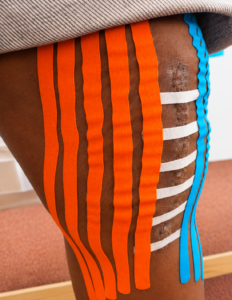 The NeuroMuscular Taping (NMT) Professional Knee and Hip Replacement Rehabilitation Training Program is an intensive two-day course designed for healthcare professionals involved in orthopaedic surgery rehabilitation, postoperative recovery and the management of patients following total knee arthroplasty (TKA) and total hip arthroplasty (THA). Developed by the NeuroMuscular Taping Institute in Italy, the program introduces a structured clinical methodology based on elastic decompressive taping applied with zero tension (0%), integrating functional anatomy, biomechanics, lymphatic and vascular physiology, cutaneous sensory stimulation and progressive musculoskeletal rehabilitation. Knee and hip replacement procedures frequently produce temporary alterations in joint mobility, muscular function, lymphatic drainage and sensory perception. Postoperative oedema, tissue sensitivity, muscular weakness and movement restrictions may affect gait, balance and the recovery of daily activities.
The NMT methodology involves applying elastic adhesive tape without tension while the skin and underlying body region are positioned in functional elongation. When the body returns to its neutral position, characteristic skin convolutions develop beneath the tape. These applications provide cutaneous and mechanical stimuli that may complement established rehabilitation strategies addressing regional oedema, superficial tissue mobility and movement-related discomfort. The course examines the integration of NMT into three progressive rehabilitation phases: acute, post-acute and functional recovery. Participants learn to assess postoperative conditions, identify regional lymphatic drainage pathways and select appropriate decompressive applications according to surgical procedures, tissue-healing status and individual rehabilitation objectives.
Particular attention is given to knee and hip oedema, quadriceps and hamstring function, hip musculature, joint mobility, gait rehabilitation, postural adaptation and progressive functional recovery. The educational approach combines 10% theoretical instruction and 90% supervised practical training, providing participants with intensive hands-on experience, clinical case discussions and individual instructor guidance. NMT is presented as a complementary rehabilitation methodology and does not replace established postoperative medical care, thromboprophylaxis, physiotherapy, therapeutic exercise or surgical rehabilitation protocols.
Who Should Attend?
The course is intended for orthopaedic surgeons, medical doctors, rehabilitation medicine specialists, physiotherapists, nurses, musculoskeletal rehabilitation professionals and eligible final-year healthcare students. It is particularly relevant to professionals working in orthopaedic hospitals, surgical rehabilitation departments, physiotherapy clinics and multidisciplinary postoperative rehabilitation teams. No previous NMT certification is required. Clinical applications must remain within each participant’s professional scope of practice.
Educational Objectives
The principal objective is to develop the clinical reasoning and practical skills necessary to integrate NeuroMuscular Taping into individualised knee and hip replacement rehabilitation programs. Participants will learn to:
- Understand NMT decompressive methodology, zero-tension applications and maximum lines of skin elasticity (MEL).
- Review the functional anatomy and biomechanics of the knee, hip, thigh, lower extremity and pelvic region.
- Differentiate acute, post-acute and functional rehabilitation objectives following joint replacement.
- Develop regional lymphatic drainage applications for postoperative oedema involving the knee, hip and lower extremity.
- Apply selected NMT techniques involving the quadriceps, hamstrings, hip adductors, piriformis and related musculature.
- Integrate NMT with progressive joint mobility, muscular rehabilitation, gait training and functional exercise.
- Understand the potential role of cutaneous sensory stimulation in proprioceptive and postural rehabilitation.
- Recognise postoperative contraindications, surgical precautions and the limitations of available scientific evidence.
The program emphasises anatomical accuracy, clinical assessment, application sequencing and progressive functional rehabilitation.
Course Structure and Practical Training
Day 1 – Total Knee Replacement Rehabilitation
8 Hours – Postoperative Lymphatic Drainage, Knee Mobility, Muscular Rehabilitation and Functional Recovery
Session 1 – NMT Foundations and Knee Replacement Rehabilitation
The opening session introduces the history and development of NeuroMuscular Taping, its distinguishing decompressive methodology and the anatomical and physiological principles involved in knee replacement rehabilitation. Participants review the differences between compressive and decompressive taping, eccentric application principles, maximum lines of skin elasticity and the relationships between postoperative inflammation, tissue healing and regional lymphatic congestion. The course introduces the three-phase rehabilitation model. The acute phase focuses on tissue protection, postoperative oedema assessment and early mobilisation. The post-acute phase addresses joint mobility, muscular activation and progressive functional movement. The functional phase integrates NMT with strengthening, gait rehabilitation, balance and return to daily activities. Clinical assessment includes surgical wound status, postoperative swelling, pain, knee range of motion, quadriceps activation, skin integrity and the identification of complications requiring medical evaluation.
Session 2 – Acute Knee Decompression and Lymphatic Drainage
This session introduces selected NMT applications for the early postoperative period, according to surgical instructions and tissue-healing status. Participants examine regional lymphatic anatomy, postoperative oedema and the selection of decompressive applications involving the anterior knee and surrounding tissues.
Practical laboratory: NMT double-fan anterior knee protocol, anterior knee decompression and selected lower-extremity lymphatic drainage applications. All decompressive techniques are performed with zero tape tension (0%), with particular attention to patient positioning, skin elongation, tape preparation and surgical precautions.
Session 3 – Lower-Extremity Lymphatic Rehabilitation
The third session focuses on regional lymphatic pathways and postoperative drainage sequencing involving the ankle, lower leg, knee and inguinal region. Participants review superficial lymphatic anatomy, proximal drainage considerations and the integration of NMT into established postoperative oedema management.
Practical laboratory: NMT double-joint drainage from ankle to knee, knee-to-inguinal drainage, inguinal region applications and repetition of the anterior knee double-fan protocol. Individual instructor feedback emphasises anatomical precision, application direction and technical competence.
Session 4 – Post-Acute Knee Rehabilitation and Functional Stability
The final session of Day 1 examines the integration of NMT into progressive knee mobility, muscular rehabilitation and functional recovery. Participants review the relationships between quadriceps activation, hamstring coordination, knee joint control and gait rehabilitation.
Practical laboratory: NMT quadriceps femoris protocol, hamstring applications, functional knee decompression and selected knee stability configurations. Applications are integrated with standing, walking, progressive weight-bearing, knee flexion and extension, balance exercises and functional movement training. Participants repeat selected techniques through supervised precision and accuracy exercises, focusing on anatomical positioning, zero-tension application and clinical reasoning. The day concludes with clinical case discussions, research review and instructor feedback.
Day 2 – Total Hip Replacement Rehabilitation
8 Hours – Postoperative Lymphatic Drainage, Hip Muscular Rehabilitation, Pelvic Stability and Functional Mobility
Session 5 – NMT Foundations and Hip Replacement Rehabilitation
The second day introduces the clinical principles of NeuroMuscular Taping following total hip arthroplasty. Participants review functional anatomy of the hip and pelvis, surgical approaches, postoperative precautions, muscular function and lower-extremity lymphatic pathways. Particular attention is given to the relationships between postoperative oedema, tissue sensitivity, hip mobility, pelvic control and gait adaptation. The three-phase rehabilitation model is examined in relation to hip replacement, with applications selected according to surgical approach, tissue-healing status and individual functional objectives.
Session 6 – Acute Hip Decompression and Lymphatic Rehabilitation
This session introduces selected decompressive applications for postoperative oedema involving the hip, thigh and inguinal region. Participants examine proximal lymphatic drainage pathways, regional tissue congestion and the anatomical relationship between surgical incisions and proposed application sites.
Practical laboratory: NMT anterior and lateral hip fan protocols, combined hip decompression, knee-to-inguinal drainage, posterior thigh applications and selected proximal lower-extremity lymphatic configurations. All decompressive applications are performed with zero tension (0%), avoiding interference with surgical wounds, dressings and postoperative monitoring.
Session 7 – Post-Acute Hip Muscular and Functional Rehabilitation
The third session examines the integration of NMT into progressive hip mobility, muscular coordination and functional rehabilitation. Participants review the roles of the quadriceps, hamstrings, hip adductors, piriformis and related musculature in pelvic stability, lower-extremity alignment and gait.
Practical laboratory: NMT functional hip decompression, quadriceps femoris, hip adductor, hamstring and piriformis applications. Clinical reasoning addresses muscular activation, movement-related discomfort, progressive joint mobility and integration with therapeutic exercise.
Session 8 – Functional Hip Rehabilitation, Lumbar Integration and Gait Recovery
The final session introduces NMT applications for progressive hip stability, pelvic control, lumbar mobility and functional movement. Participants examine the relationships between hip function, trunk stability, gait mechanics and postural adaptation.
Practical laboratory: NMT hip stability applications, functional hip decompression, lumbar and abdominal protocols, and selected pelvic and trunk configurations. Applications are reviewed during standing, walking, sit-to-stand transitions, balance exercises, progressive strengthening and functional daily activities. Participants repeat selected applications under instructor supervision, with emphasis on anatomical precision, patient positioning, skin elongation, zero-tension methodology and postoperative safety. The session concludes with clinical case studies, scientific literature review, practical assessment and the final written examination.
Teaching Methodology and Practical Skill Development
The NMT Institute provides an interactive educational environment combining 10% theoretical instruction and 90% supervised practical laboratory training. Participants work in pairs, alternating between practitioner and model roles. Each application is demonstrated by a certified NMT instructor and repeated under direct supervision, allowing individual correction and progressive development of manual competence. The educational process integrates functional anatomy, postoperative assessment, lymphatic drainage, muscular rehabilitation, clinical case studies and evidence-informed treatment planning. Selected applications are repeated through timed precision and accuracy exercises designed to improve technical efficiency without compromising anatomical accuracy or patient safety. Full attendance and active participation in all practical sessions are required.
Final Examination and International Certification
The program includes a theoretical and practical examination designed to evaluate clinical knowledge, anatomical precision and technical competence.
- Theoretical examination: A 75-question multiple-choice test covering NMT methodology, knee and hip anatomy, postoperative rehabilitation phases, lymphatic and vascular physiology, clinical indications, contraindications and application techniques.
- Practical examination: Supervised demonstration of selected NMT applications, evaluated according to anatomical accuracy, tape preparation, patient positioning, skin elongation, zero-tension methodology, clinical reasoning and postoperative safety.
The final assessment combines the written examination, practical examination and instructor evaluation.
A minimum overall score of 85% is required for successful completion. Results are classified as Pass, Excellent or Distinction. Successful participants receive the NMT International Certification – Professional Knee and Hip Replacement Rehabilitation, together with an NMT qualification diploma and certification membership card. Certification confirms successful completion of the educational program and does not extend the participant’s legal scope of professional practice.
Educational Materials
Participants receive a complete NMT practical training kit containing a backpack, skin-marking pencil, scissors, multicoloured elastic adhesive tape, course workbook, qualification certificate and certification membership card. The original educational kit has an indicated value of approximately €50. Recommended Reading
- NeuroMuscular Taping: From Theory to Practice – Edi Ermes, Milan, 2012.
- NeuroMuscular Taping: Treatment of Oedema, Haematoma and Scarring – Edi Ermes, Milan.
- Functional anatomy, orthopaedic surgery rehabilitation, lymphatic physiology and total joint arthroplasty rehabilitation literature.
Additional scientific publications and educational resources may be provided through the NMT Institute.
Course Information
- Course Title: NeuroMuscular Taping Professional Knee and Hip Replacement Rehabilitation
- Course Code: NMTC-P.Surg 2/I°
- Duration: 2 days – 16 hours.
- Day 1: Total Knee Replacement Rehabilitation – 8 hours.
- Day 2: Total Hip Replacement Rehabilitation – 8 hours.
- Target Participants: Medical doctors, orthopaedic specialists, physiotherapists, nurses and eligible final-year healthcare students.
- Maximum Participants: 24.
- Training Format: Classroom education, clinical demonstrations, case discussions and supervised practical laboratories.
- Teaching Approach: 10% theory and 90% practical training.
- Prerequisites: No previous NMT certification required.
- Assessment: 75 multiple-choice questions and a supervised practical examination.
- Passing Requirement: Minimum 85%.
- Certification: NMT International Certification – Professional Knee and Hip Replacement Rehabilitation.
- Continuing Education Credits: ECM/CME credits where accreditation has been approved by the relevant national authority.
- Educational Materials: NMT workbook, practical training kit, certificate and certification membership card.
Advance Your Clinical Skills in Knee and Hip Replacement Rehabilitation
The NMT Professional Knee and Hip Replacement Rehabilitation Training Program provides healthcare professionals with a structured educational pathway for integrating elastic decompressive taping into postoperative orthopaedic rehabilitation. Through functional anatomy, lymphatic drainage, muscular rehabilitation and intensive supervised practice, participants develop specialised skills for evaluating and integrating NMT into individualised rehabilitation programs following total knee and hip arthroplasty. The combination of acute postoperative management, post-acute muscular rehabilitation and progressive functional recovery provides a comprehensive educational framework for multidisciplinary surgical rehabilitation.
Develop specialised decompressive taping skills for postoperative oedema, musculoskeletal recovery and functional mobility through internationally structured NMT education and intensive hands-on training.
NeuroMuscular Taping (NMT) – Phantom Limb Pain, Neuropathy and Amputation Scar Rehabilitation
NeuroMuscular Taping (NMT) – Professional Phantom Limb Pain, Neuropathy and Amputation Scar Rehabilitation
Specialised Training in Neuropathic Pain, Sensory Rehabilitation, Lymphatic Drainage and Post-Amputation Recovery
International NMT Professional Training and Certification | 2 Days – 16 Hours
Course Overview
Course Code: NMTC-NPP/I
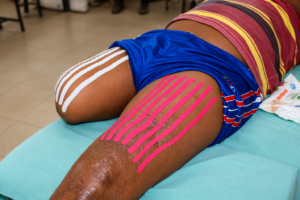 The NeuroMuscular Taping (NMT) Professional Phantom Limb Pain, Neuropathy and Amputation Scar Rehabilitation Program is an intensive two-day educational course designed for healthcare professionals involved in neurological rehabilitation, pain management and recovery following upper- or lower-limb amputation. Developed by the NeuroMuscular Taping Institute in Italy, the program introduces a specialised methodology based on elastic decompressive taping applied with zero tension (0%), integrating peripheral nerve anatomy, neurophysiology, cutaneous sensory stimulation, lymphatic and vascular rehabilitation, and scar management.
Phantom limb pain, residual limb neuropathy and postoperative sensory disturbances are complex conditions involving peripheral nerve injury, altered sensory processing, central nervous system adaptation and tissue-related complications. Patients may experience persistent pain, hypersensitivity, oedema, scar restrictions and functional limitations that interfere with rehabilitation and prosthetic adaptation. The NMT methodology involves applying elastic adhesive tape without tension while the skin and underlying body region are positioned in functional elongation. When the body returns to its neutral position, characteristic skin convolutions develop beneath the tape. These applications provide cutaneous and mechanical stimuli that may complement established rehabilitation strategies addressing sensory awareness, superficial tissue mobility and postoperative discomfort.
The course examines the integration of NMT into acute, post-acute and long-term functional rehabilitation, with particular attention to amputation level, neurological presentation, skin integrity, residual limb sensitivity and individual patient objectives. Clinical applications include phantom sensations involving the fingers, hand, toes and foot; rehabilitation following transtibial, transfemoral, transradial and transhumeral amputation; residual limb lymphatic drainage; postoperative scar management; and selected sensory rehabilitation applications following mastectomy. The educational approach combines 20% theoretical instruction and 80% supervised practical training, providing participants with intensive hands-on experience, clinical case discussions and individual instructor guidance. NMT is presented as a complementary rehabilitation methodology. Its effectiveness specifically for phantom limb pain remains insufficiently established, and applications should be integrated with appropriate neurological, medical, pain management and prosthetic rehabilitation.
Who Should Attend?
The course is intended for medical doctors, neurologists, rehabilitation medicine specialists, physiotherapists and eligible final-year healthcare students. It is particularly relevant to professionals working in amputation rehabilitation centres, neurological rehabilitation departments, vascular and orthopaedic surgery services, pain management clinics and multidisciplinary postoperative rehabilitation teams. No previous NMT certification is required. Clinical applications must remain within each participant’s professional scope of practice.
Educational Objectives
The principal objective is to develop the theoretical understanding, clinical reasoning and practical skills necessary to integrate NeuroMuscular Taping into selected phantom limb pain, neuropathy and post-amputation rehabilitation programs. Participants will learn to:
- Understand NMT decompressive methodology, zero-tension applications and maximum lines of skin elasticity (MEL).
- Review the neurophysiological mechanisms associated with phantom limb pain, residual limb pain and altered sensory perception.
- Differentiate peripheral neuropathy, neuroma-related symptoms, scar restrictions and postoperative sensory disturbances.
- Develop appropriate NMT applications according to upper- and lower-limb amputation levels.
- Integrate regional lymphatic drainage and oedema management into postoperative rehabilitation.
- Evaluate healed surgical scars, superficial tissue restrictions, hypersensitivity and hyposensitivity.
- Understand phantom breast pain and sensory rehabilitation following mastectomy.
- Integrate NMT with established pain management, physiotherapy, prosthetic rehabilitation and multidisciplinary care.
The program emphasises clinical assessment, anatomical accuracy, sensory rehabilitation, application sequencing and individualised treatment planning.
Course Structure and Practical Training
Day 1 – Lower-Extremity Phantom Limb Pain, Sensory Rehabilitation and Post-Amputation Lymphatic Management
8 Hours – Clinical Foundations, Neurophysiology, Lower-Limb Applications and Practical Training
Session 1 – NMT Foundations and Phantom Limb Pain Rehabilitation
The first session introduces the history and development of NeuroMuscular Taping, its distinguishing decompressive methodology and the anatomical and physiological principles involved in post-amputation rehabilitation. Participants review the differences between compressive and decompressive taping, eccentric application principles, skin elasticity and the relationships between cutaneous stimulation, peripheral nerve pathways and sensory processing. The course examines the neurophysiology of phantom limb pain, distinguishing painful phantom sensations from residual limb pain and non-painful phantom experiences. Clinical assessment includes neuropathic pain characteristics, altered tactile sensitivity, residual limb hypersensitivity, neuroma-related symptoms, postoperative oedema, scar restrictions and prosthetic-related mechanical irritation. Particular attention is given to identifying conditions requiring medical, neurological, vascular or prosthetic assessment before considering NMT applications.
Session 2 – Lower-Extremity Phantom Limb Pain Applications
This session introduces NMT decompressive applications adapted to different levels of lower-limb amputation and perceived phantom pain distribution. Participants examine the anatomical relationships between peripheral nerve pathways, residual limb tissues, proximal sensory structures and functional rehabilitation objectives.
Practical laboratory: NMT toes and foot protocols, below-knee and above-knee amputation applications, proximal lower-limb configurations and selected sacral plexus applications. All techniques are performed using zero-tension decompression (0%), with careful attention to anatomical positioning, skin sensitivity and available intact tissue. Participants learn to adapt applications according to amputation level, perceived pain location, residual limb characteristics and individual rehabilitation objectives.
Session 3 – Lower-Extremity Lymphatic Drainage and Oedema Management
The third session examines postoperative oedema, regional lymphatic anatomy and the relationship between residual limb swelling, superficial tissue mobility and prosthetic rehabilitation. Participants review lower-extremity lymphatic pathways, proximal drainage sequencing and clinical precautions associated with vascular insufficiency, diabetes and fragile skin.
Practical laboratory: NMT popliteal crease and inguinal crease decompressive applications, together with selected regional drainage configurations. The session emphasises the integration of NMT with established postoperative oedema management and rehabilitation strategies.
Session 4 – Post-Amputation Scar Rehabilitation
The final session of Day 1 introduces scar assessment and decompressive applications following lower-extremity amputation. Participants examine surgical wound healing, scar maturation, superficial tissue restrictions, hypersensitivity, hyposensitivity and the relationship between residual limb tissue mobility and prosthetic comfort.
Practical laboratory: NMT lower-extremity scar decompression and selected regional tissue mobility applications. Direct scar applications are introduced only after adequate wound closure and appropriate clinical assessment. The day concludes with clinical case discussions, practical review and instructor feedback.
Day 2 – Upper-Extremity Phantom Pain, Mastectomy-Related Sensory Rehabilitation and Advanced Scar Management
8 Hours – Upper-Limb Applications, Sensory Rehabilitation, Clinical Integration and Final Assessment
Session 5 – Upper-Extremity Phantom Limb Pain Rehabilitation
The second day focuses on upper-limb amputation, residual limb neuropathy and altered sensory perception. Participants review the anatomical relationships between peripheral nerve pathways, the brachial plexus, surgical amputation level and perceived phantom sensations involving the fingers, hand and upper extremity. Clinical assessment includes neuropathic pain, residual limb sensitivity, scar restrictions, muscular adaptations and functional rehabilitation requirements.
Practical laboratory: NMT finger and hand protocols, below-elbow and above-elbow amputation applications, proximal shoulder configurations and selected brachial plexus and intercostobrachial nerve applications. Participants develop individualised application strategies according to amputation level, sensory presentation and suitable anatomical regions.
Session 6 – Upper-Extremity Lymphatic Drainage and Scar Rehabilitation
This session introduces the principles of regional lymphatic drainage following upper-limb amputation and surgery. Participants examine axillary drainage pathways, postoperative oedema, residual limb swelling and the relationship between superficial tissue mobility and functional rehabilitation.
Practical laboratory: NMT anterior elbow crease and axillary decompressive applications, together with selected upper-extremity lymphatic drainage configurations. The session also introduces NMT scar rehabilitation for fully healed surgical scars involving the hand, forearm, upper arm and shoulder. Particular attention is given to scar sensitivity, anatomical positioning and appropriate application selection.
Session 7 – Phantom Breast Pain and Post-Mastectomy Rehabilitation
This session examines phantom breast pain, postoperative sensory disturbances and scar-related restrictions following mastectomy. Participants review the anatomical relationships between the chest wall, intercostal nerves, intercostobrachial nerve, axillary region and surgical scar tissue. Clinical discussion addresses chest wall hypersensitivity, phantom breast sensations, postoperative oedema, shoulder mobility and rehabilitation following breast surgery and reconstruction.
Practical laboratory: NMT breast mastectomy pain protocol and selected mastectomy scar decompression applications. Applications are adapted according to surgical healing, reconstruction status, tissue sensitivity and medical precautions.
Session 8 – Advanced Scar Rehabilitation and Clinical Integration
The final session examines long-term scar management, sensory rehabilitation and the integration of NMT into multidisciplinary post-amputation care. Participants review chronic scar restrictions, altered cutaneous elasticity, superficial tissue adherence, sensory dysfunction and functional movement limitations.
Practical laboratory: Advanced NMT lower-limb, upper-limb and mastectomy scar applications, with emphasis on anatomical accuracy, skin elongation and zero-tension methodology. Clinical case discussions examine phantom limb pain, residual limb neuropathy, postoperative oedema, prosthetic adaptation and scar-related discomfort. The course concludes with a review of available scientific evidence, clinical outcome assessment and the final written and practical examinations.
Teaching Methodology and Practical Skill Development
The NMT Institute provides an interactive educational environment combining 20% theoretical instruction and 80% supervised practical laboratory training. Participants work in pairs, alternating between practitioner and model roles. Each application is demonstrated by a certified NMT instructor and repeated under direct supervision, allowing individual correction and progressive development of manual competence. The educational process integrates neurophysiology, functional anatomy, clinical assessment, sensory rehabilitation, lymphatic drainage, scar management and evidence-informed treatment planning. Particular attention is given to the selection of applications according to amputation level, residual limb condition, skin sensitivity and rehabilitation objectives. Full attendance and active participation in all practical sessions are required.
Final Examination and International Certification
The program includes a theoretical and practical examination designed to evaluate clinical knowledge, anatomical precision and technical competence.
- Theoretical examination: A 50-question multiple-choice test covering NMT methodology, neurophysiology, phantom limb pain, peripheral neuropathy, lymphatic drainage, scar rehabilitation, clinical indications and contraindications.
- Practical examination: Supervised demonstration of selected NMT applications, evaluated according to anatomical accuracy, tape preparation, patient positioning, skin elongation, zero-tension methodology, clinical reasoning and patient safety.
The final assessment combines the written examination, practical examination and instructor evaluation.
A minimum score of 85% is required for successful completion. Results are classified as Pass, Excellent or Distinction. Successful participants receive the NMT International Certification – Phantom Limb Pain, Neuropathy and Amputation Scar Rehabilitation, together with an NMT qualification diploma and certification membership card. Certification confirms successful completion of the educational program and does not extend the participant’s legal scope of professional practice.
Continuing Professional Development
The NMT Institute encourages participants to continue developing their clinical competence through practical experience, case discussions and specialised education. Additional tutorials, supervised laboratories and clinical observation opportunities may be organised to reinforce application skills in phantom limb pain rehabilitation, residual limb neuropathy, sensory rehabilitation, lymphatic management and scar treatment.
Educational Materials
Participants receive a complete NMT practical training kit containing a backpack, skin-marking pencil, scissors, multicoloured elastic adhesive tape, course workbook, certification documentation and professional membership card. Recommended Reading
- NeuroMuscular Taping: From Principles to Practice – Edi Ermes, Milan, 2012.
- NeuroMuscular Taping: Treatment of Oedema, Haematoma and Scarring – Edi Ermes, Milan.
- Functional anatomy, clinical neurophysiology, neurological rehabilitation, lymphatic physiology and neuropathic pain management literature.
Additional scientific publications and educational resources may be provided through the NMT Institute.
Course Information
- Course Title: NeuroMuscular Taping Professional Phantom Limb Pain, Neuropathy and Amputation Scar Rehabilitation
- Course Code: NMTC-NPP/I
- Duration: 2 days – 16 hours.
- Day 1: Lower-Extremity Phantom Limb Pain, Sensory Rehabilitation and Post-Amputation Lymphatic Management – 8 hours.
- Day 2: Upper-Extremity Phantom Pain, Mastectomy-Related Sensory Rehabilitation and Advanced Scar Management – 8 hours.
- Target Participants: Medical doctors, neurologists, rehabilitation medicine specialists, physiotherapists and eligible final-year healthcare students.
- Maximum Participants: 24.
- Course Director: David Blow, Founder and Research Director, NeuroMuscular Taping Institute.
- Training Format: Classroom education, clinical demonstrations, case discussions and supervised practical laboratories.
- Teaching Approach: 20% theory and 80% practical training.
- Prerequisites: No previous NMT certification required.
- Assessment: 50 multiple-choice questions and a supervised practical examination.
- Passing Requirement: Minimum 85%.
- Certification: NMT International Certification – Phantom Limb Pain, Neuropathy and Amputation Scar Rehabilitation.
- Continuing Education Credits: ECM/CME credits where accreditation has been approved by the relevant national authority.
- Educational Materials: NMT workbook, practical training kit, certification documentation and membership card.
Advance Your Clinical Skills in Phantom Limb Pain and Post-Amputation Rehabilitation
The NMT Professional Phantom Limb Pain, Neuropathy and Amputation Scar Rehabilitation Program provides healthcare professionals with a structured educational pathway for integrating elastic decompressive taping into neurological, sensory and postoperative rehabilitation. Through neurophysiology, peripheral nerve anatomy, clinical assessment, lymphatic rehabilitation and intensive supervised practice, participants develop specialised skills for evaluating and integrating NMT into individualised rehabilitation programs. The combination of phantom limb pain management, residual limb sensory rehabilitation, postoperative oedema assessment and scar treatment provides a comprehensive educational framework for multidisciplinary amputation rehabilitation.
Develop specialised decompressive taping skills for phantom limb pain, peripheral neuropathy, post-amputation sensory rehabilitation and scar management through internationally structured NMT education and intensive hands-on training.
NeuroMuscular Taping (NMT) – Orthotics, Casting and Splint Rehabilitation Training
NeuroMuscular Taping (NMT) – Professional Orthotics, Casting and Splint Rehabilitation Training
Upper- and Lower-Extremity Rehabilitation Following Fractures, Immobilisation, Orthopaedic Trauma and Surgery
International NMT Professional Training and Certification | 2 Days – 16 Hours
Course Overview
Course Code: NMTC-IGS 2/I°
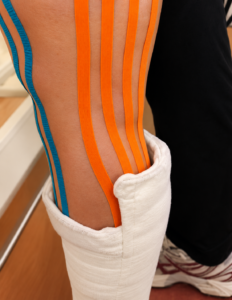 The NeuroMuscular Taping (NMT) Professional Orthotics, Casting and Splint Rehabilitation Training Program is an intensive two-day course designed for healthcare professionals involved in orthopaedic trauma, fracture management, postoperative rehabilitation and the treatment of patients requiring casts, splints, braces or other forms of immobilisation. Developed by the NeuroMuscular Taping Institute in Italy, the program introduces a structured clinical methodology based on elastic decompressive taping applied with zero tension (0%), integrating musculoskeletal anatomy, lymphatic and vascular physiology, cutaneous biomechanics, peripheral nerve function and progressive functional rehabilitation.
Fractures, joint injuries and orthopaedic surgical procedures frequently require periods of immobilisation to protect healing tissues. During and after immobilisation, patients may experience oedema, altered superficial circulation, muscular weakness, joint stiffness, reduced proprioception and functional movement restrictions. Post-traumatic haematomas, hypersensitivity and surgical scars may further complicate recovery. The NMT methodology involves applying elastic adhesive tape without tension while the skin and underlying body region are positioned in functional elongation. When the body returns to its neutral position, characteristic skin convolutions develop beneath the tape. These applications are intended to provide cutaneous and mechanical stimuli that may complement established rehabilitation strategies addressing regional oedema, tissue mobility and movement-related discomfort.
The course examines the integration of NMT into three progressive rehabilitation phases: acute, post-acute and functional recovery, with particular attention to patients undergoing immobilisation and those beginning rehabilitation following removal of a cast, splint or brace. Participants learn to assess regional swelling, select appropriate lymphatic drainage pathways, evaluate skin and scar conditions, and develop decompressive applications for upper- and lower-extremity injuries. The program addresses rehabilitation following fractures of the shoulder, arm, elbow, forearm, wrist and hand, together with fractures and orthopaedic injuries involving the hip, thigh, knee, lower leg, ankle and foot.
Special consideration is given to complex regional pain syndrome (CRPS), historically described as Sudeck’s syndrome or algodystrophy, and the additional precautions required for patients with diabetes, vascular disease, bleeding disorders or impaired sensation. The educational approach combines 10% theoretical instruction and 90% supervised practical training, providing participants with intensive hands-on experience, clinical case discussions and individual instructor guidance. NMT is presented as a complementary rehabilitation methodology and does not replace fracture stabilisation, appropriate immobilisation, orthopaedic treatment, vascular assessment or established physiotherapy.
Who Should Attend?
The course is intended for medical doctors, orthopaedic specialists, rehabilitation medicine specialists, physiotherapists, nurses, orthotic and casting professionals working within their authorised scope of practice, and eligible final-year healthcare students. It is particularly relevant to professionals working in orthopaedic departments, fracture clinics, casting services, emergency and trauma rehabilitation, physiotherapy clinics and multidisciplinary postoperative rehabilitation teams. No previous NMT certification is required. Clinical applications must remain within each participant’s professional scope of practice.
Educational Objectives
The principal objective is to develop the clinical reasoning and practical skills necessary to integrate NeuroMuscular Taping into upper- and lower-extremity rehabilitation during and after orthopaedic immobilisation. Participants will learn to:
- Understand NMT decompressive methodology, zero-tension applications and maximum lines of skin elasticity (MEL).
- Review the musculoskeletal, lymphatic, vascular and neurological changes associated with fractures, trauma and immobilisation.
- Differentiate acute, post-acute and functional rehabilitation objectives.
- Develop regional lymphatic drainage applications for upper- and lower-extremity oedema.
- Evaluate the appropriate use of NMT alongside casts, braces, splints and other orthotic devices.
- Assess post-traumatic bruising, haematomas, healed surgical scars and superficial tissue restrictions.
- Integrate NMT with progressive joint mobilisation, muscular rehabilitation, proprioceptive training and functional recovery.
- Recognise clinical contraindications, neurovascular warning signs and precautions associated with CRPS, diabetes, vascular disease and bleeding disorders.
The program emphasises anatomical accuracy, patient safety, application sequencing and multidisciplinary rehabilitation planning.
Course Structure and Practical Training
Day 1 – Upper-Extremity Orthotics, Casting and Splint Rehabilitation
8 Hours – Fracture Rehabilitation, Upper-Limb Lymphatic Drainage, Post-Immobilisation Recovery and Scar Management
Session 1 – NMT Foundations and Rehabilitation During Immobilisation
The opening session introduces the history and development of NeuroMuscular Taping, its distinguishing decompressive methodology and the anatomical and physiological principles involved in orthopaedic rehabilitation. Participants review the differences between compressive and decompressive taping, eccentric application principles, skin elasticity and the relationships between tissue injury, inflammation, lymphatic congestion and immobilisation. The course examines the clinical assessment of patients with upper-extremity fractures and joint injuries, including surgical wound status, regional oedema, skin integrity, neurological symptoms, vascular circulation and the limitations imposed by casts, splints and braces. Particular attention is given to the distinction between applications performed on accessible intact skin during immobilisation and those introduced following removal of an orthotic device. NMT must never be placed beneath a rigid cast in a manner that could create pressure, compromise circulation or interfere with fracture management. Applications must not delay the assessment of increasing pain, numbness, swelling or other signs of neurovascular compromise.
Session 2 – Upper-Extremity Lymphatic Drainage and Oedema Rehabilitation
This session introduces the principles of regional lymphatic drainage following upper-extremity trauma, surgery and immobilisation. Participants review axillary drainage pathways, superficial lymphatic anatomy and the relationships between regional oedema, tissue sensitivity and functional movement restrictions.
Practical laboratory: NMT axillary drainage, anterior and posterior shoulder applications, upper-arm and forearm lymphatic configurations, and dorsal hand decompression. The laboratory incorporates the original upper-extremity protocols, including LTC-AS 1–4, LTC-AC 1, LTC-SH 1–2 and LTC-MA 1. Participants develop manual competence in anatomical positioning, tape preparation, fan-cut configurations, skin elongation and regional application sequencing. All decompressive applications are performed with zero tape tension (0%).
Session 3 – Upper-Extremity Fractures, Splints and Post-Casting Rehabilitation
The third session examines the rehabilitation of patients following fractures and orthopaedic injuries involving the shoulder, humerus, elbow, forearm, wrist and hand. Participants review the clinical differences between simple and complex fractures, operative and non-operative treatment, and the progressive rehabilitation requirements following immobilisation.
Practical laboratory: NMT shoulder and upper-arm decompression, elbow drainage, forearm applications, wrist rehabilitation and selected hand and finger configurations. Applications are adapted according to fracture stability, immobilisation status, surgical precautions and individual rehabilitation objectives. The session also introduces the clinical characteristics of CRPS, including disproportionate pain, altered sensitivity, swelling and autonomic changes, emphasising the importance of early recognition and appropriate specialist management.
Session 4 – Upper-Extremity Scar Rehabilitation and Functional Recovery
The final session of Day 1 focuses on post-traumatic and postoperative scar assessment, superficial tissue restrictions and progressive upper-extremity rehabilitation. Participants review scar maturation, cutaneous elasticity, hypersensitivity, hyposensitivity and the relationships between tissue mobility and joint function.
Practical laboratory: NMT healed scar decompression, regional forearm and wrist applications, shoulder mobility configurations and selected functional hand rehabilitation techniques. Applications are integrated with progressive joint mobilisation, muscular activation, sensory rehabilitation and functional movement exercises. The day concludes with clinical case discussions, supervised practical review and instructor feedback.
Day 2 – Lower-Extremity Orthotics, Casting and Splint Rehabilitation
8 Hours – Lower-Limb Fractures, Post-Immobilisation Oedema, Functional Rehabilitation and Final Assessment
Session 5 – Lower-Extremity Trauma and Immobilisation Rehabilitation
The second day introduces the clinical principles of NMT following fractures, joint injuries and orthopaedic procedures involving the lower extremity. Participants review the functional anatomy of the hip, thigh, knee, lower leg, ankle and foot, together with regional lymphatic and vascular pathways. The course examines the physiological effects of immobilisation, including oedema, muscular weakness, joint stiffness, altered proprioception and reduced functional mobility. Clinical assessment focuses on fracture stability, weight-bearing restrictions, skin integrity, vascular status, neurological symptoms and the appropriate progression from acute injury management to functional rehabilitation. Particular attention is given to the selection of applications that do not interfere with casts, braces, splints or prescribed orthopaedic precautions.
Session 6 – Lower-Extremity Lymphatic Drainage and Oedema Management
This session introduces regional decompressive applications for post-traumatic and post-immobilisation oedema involving the foot, ankle, lower leg and knee. Participants review superficial lymphatic pathways, proximal drainage sequencing and the relationship between swelling, tissue sensitivity and joint mobility.
Practical laboratory: NMT inguinal region drainage, popliteal applications, lower-leg lymphatic decompression, medial and lateral ankle drainage, and dorsal foot configurations. Applications are selected according to the patient’s clinical presentation, vascular status, tissue integrity and stage of rehabilitation. The session also examines the additional precautions required for patients with diabetes, peripheral neuropathy, vascular insufficiency and bleeding disorders.
Session 7 – Fracture Rehabilitation, Ankle Injuries and Post-Casting Recovery
The third session examines NMT applications following lower-extremity fractures, ankle sprains, ligament injuries and prolonged immobilisation. Participants review rehabilitation considerations following tibial and fibular fractures, ankle and foot injuries, knee immobilisation and selected postoperative conditions.
Practical laboratory: NMT knee decompression, lower-leg muscular applications, ankle rehabilitation, foot drainage and selected functional lower-extremity configurations. Clinical reasoning addresses the differences between acute injury protection, post-acute tissue recovery and functional rehabilitation. The session introduces the integration of NMT with progressive joint mobility, muscular strengthening, balance training, proprioceptive exercises and gait rehabilitation. Particular attention is given to CRPS-related symptoms, persistent oedema and sensory disturbances following fracture or immobilisation.
Session 8 – Lower-Extremity Scar Management and Functional Rehabilitation
The final session examines the rehabilitation of healed surgical and traumatic scars involving the knee, lower leg, ankle and foot. Participants review scar maturity, superficial tissue adherence, altered sensitivity and the relationship between scar mobility and functional movement.
Practical laboratory: NMT lower-extremity scar decompression, regional tissue mobility applications and selected functional protocols involving the knee, ankle and foot. Applications are integrated with progressive weight-bearing, walking, balance, muscular coordination and return to daily activities. The course concludes with clinical case studies involving upper- and lower-extremity fractures, postoperative oedema, casting and splint rehabilitation, CRPS-related presentations and scar management. Participants review the available scientific evidence concerning NMT, orthopaedic rehabilitation, lymphatic drainage and functional recovery. The final session includes the written examination, practical assessment and instructor feedback.
Teaching Methodology and Practical Skill Development
The NMT Institute provides an interactive educational environment combining 10% theoretical instruction and 90% supervised practical laboratory training. Participants work in pairs, alternating between practitioner and model roles. Each application is demonstrated by a certified NMT instructor and repeated under direct supervision, allowing individual correction and progressive development of manual competence. The educational process integrates functional anatomy, fracture rehabilitation, orthotic and casting precautions, lymphatic drainage, scar assessment and evidence-informed treatment planning. Practical training emphasises the appropriate selection of applications during immobilisation, following removal of orthotic devices and throughout progressive functional rehabilitation. Participants also learn to distinguish the decompressive NMT methodology from compression bandaging and other orthopaedic support techniques, which have different mechanical objectives and clinical indications. Full attendance and active participation in all practical sessions are required.
Final Examination and International Certification
The program includes a theoretical and practical examination designed to evaluate clinical knowledge, anatomical precision and technical competence.
- Theoretical examination: A 75-question multiple-choice test covering NMT methodology, upper- and lower-extremity anatomy, fracture rehabilitation, lymphatic and vascular physiology, casting and splint precautions, clinical indications, contraindications and application techniques.
- Practical examination: Supervised demonstration of selected NMT applications, evaluated according to anatomical accuracy, tape preparation, patient positioning, skin elongation, zero-tension methodology, clinical reasoning and patient safety.
The final assessment combines the written examination, practical examination and instructor evaluation. Successful participants receive the NMT International Certification – Professional Orthotics, Casting and Splint Rehabilitation, together with an NMT qualification diploma and certification membership card. Certification confirms successful completion of the two-day educational program and does not independently authorise orthotic prescription, casting procedures or other clinical activities outside the participant’s professional scope of practice.
Educational Materials
Participants receive a complete NMT practical training kit containing a backpack, skin-marking dermo-pencil, scissors, multicoloured elastic adhesive tape, course workbook, qualification certificate and certification membership card. The original educational kit has an indicated value of approximately €55. Recommended Reading
- NeuroMuscular Taping: From Theory to Practice – Edi Ermes, Milan, 2012.
- NeuroMuscular Taping: Treatment of Oedema, Haematoma and Scarring – Edi Ermes, Milan.
- Functional anatomy, fracture rehabilitation, orthopaedic immobilisation, lymphatic physiology, peripheral nerve assessment and post-traumatic rehabilitation literature.
Additional scientific publications and educational resources may be provided through the NMT Institute.
Course Information
- Course Title: NeuroMuscular Taping Professional Orthotics, Casting and Splint Rehabilitation – Upper and Lower Extremities
- Course Code: NMTC-IGS 2/I°
- Duration: 2 days – 16 hours.
- Day 1: Upper-Extremity Orthotics, Casting and Splint Rehabilitation – 8 hours.
- Day 2: Lower-Extremity Orthotics, Casting and Splint Rehabilitation – 8 hours.
- Target Participants: Medical doctors, orthopaedic specialists, physiotherapists, nurses, orthotic and casting professionals, and eligible final-year healthcare students.
- Maximum Participants: 24.
- Training Format: Classroom education, clinical demonstrations, case discussions and supervised practical laboratories.
- Teaching Approach: 10% theory and 90% practical training.
- Prerequisites: No previous NMT certification required.
- Attendance: 100% mandatory.
- Assessment: 75 multiple-choice questions and a supervised practical examination.
- Certification: NMT International Certification – Professional Orthotics, Casting and Splint Rehabilitation.
- Continuing Education Credits: ECM/CME credits where accreditation has been approved by the relevant national authority.
- Educational Materials: NMT workbook, practical training kit, certificate and certification membership card.
Advance Your Clinical Skills in Orthotics, Casting and Splint Rehabilitation
The NMT Professional Orthotics, Casting and Splint Rehabilitation Training Program provides healthcare professionals with a structured educational pathway for integrating elastic decompressive taping into orthopaedic trauma and post-immobilisation rehabilitation. Through functional anatomy, lymphatic drainage, fracture rehabilitation, scar assessment and intensive supervised practice, participants develop specialised skills for evaluating and integrating NMT into individualised upper- and lower-extremity rehabilitation programs. The combination of acute injury management, post-casting rehabilitation, regional oedema assessment and progressive functional recovery provides a comprehensive educational framework for multidisciplinary orthopaedic rehabilitation.
Develop specialised decompressive taping skills for upper- and lower-extremity trauma, fracture rehabilitation, post-immobilisation oedema and functional recovery through internationally structured NMT education and intensive hands-on training.