NeuroMuscular Taping (NMT) Course Schedule – Speech Therapy and Language Pathology Rehabilitation
Choose Your NMT Training Pathway
Our professional education programs are organised into three training categories:
- Foundation Courses: Introductory programs providing the essential theoretical knowledge, clinical reasoning, and practical application skills required to integrate NMT into specific professional and rehabilitation settings.
- Advanced Professional Courses: Specialised training programs designed to deepen clinical knowledge and develop advanced treatment protocols. These courses generally require completion of the relevant foundation program.
- Specialised Thematic Courses: Focused training programs addressing specific clinical conditions, rehabilitation objectives, or professional applications. Unless otherwise indicated, no previous NMT certification is required.
NeuroMuscular Taping (NMT) – Professional Speech Therapy Rehabilitation Stage 1
NeuroMuscular Taping (NMT) – Professional Speech Therapy Rehabilitation
Integrating Elastic Decompression Methodology with Swallowing, Voice, Respiratory and Cervical Rehabilitation
International NMT Certification Program | Stage 1 | 3 Days – 24 Hours
Course Overview
 The NeuroMuscular Taping (NMT) Professional Speech Therapy – Swallowing and Voice Rehabilitation Course is an intensive three-day professional training program designed for speech-language therapists, speech-language pathologists, medical specialists, and rehabilitation professionals seeking to integrate elastic decompressive taping into the management of swallowing, voice, and related orofacial and cervical dysfunctions. Developed by the NeuroMuscular Taping Institute in Italy, the program introduces a standardized clinical methodology combining functional anatomy, neuromuscular assessment, respiratory physiology, tissue decompression, and evidence-informed clinical reasoning. Particular emphasis is placed on integrating NMT with established speech therapy approaches, including dysphagia rehabilitation, voice therapy, respiratory coordination, cervical mobility rehabilitation, laryngeal rehabilitation, and postoperative head and neck rehabilitation.
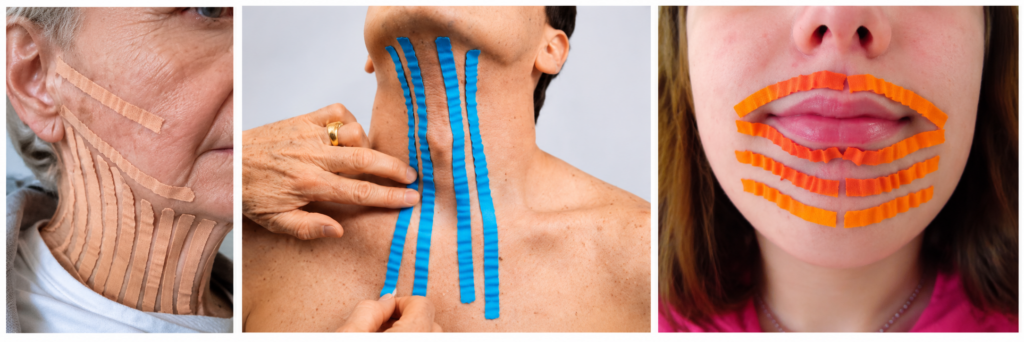
Unlike conventional tension-based taping techniques, the NMT decompressive methodology uses elastic adhesive tape applied with zero tension while the skin and underlying tissues are positioned in functional elongation. When the body returns to its resting position, characteristic skin convolutions develop beneath the tape, creating a movement-responsive mechanical interaction intended to support superficial tissue mobility, sensory stimulation, and functional rehabilitation.The principal objective is to develop practical clinical skills for integrating NMT into individualized swallowing and voice rehabilitation programs, addressing neuromuscular coordination, cervical and laryngeal mobility, respiratory support, postoperative tissue restrictions, and functional communication. Participants learn to select appropriate applications according to the patient’s diagnosis, anatomical structures involved, stage of recovery, and clearly defined therapeutic objectives.
Who Should Attend?
This course is designed for professionals involved in swallowing, communication, voice, respiratory, and head and neck rehabilitation, including:
- Speech-language therapists and speech-language pathologists
- Medical doctors and rehabilitation specialists
- Otolaryngologists and phoniatric specialists
- Physiotherapists and physical therapists working in head and neck rehabilitation
- Professionals involved in multidisciplinary dysphagia and voice rehabilitation
- Eligible final-year students in relevant healthcare degree programs
No previous NMT certification is required. Participants should have an appropriate foundation in anatomy, clinical assessment, and rehabilitation. All applications must remain within the practitioner’s professional scope and applicable national regulations.
Educational Objectives
The course develops the anatomical knowledge, clinical reasoning, and practical application skills required to integrate decompressive NMT techniques into speech therapy rehabilitation. Participants learn to understand the functional relationships between the cervical musculature, suprahyoid and infrahyoid muscle groups, laryngeal structures, respiratory mechanics, and the neuromuscular systems involved in swallowing and voice production.
Particular emphasis is placed on the relationship between tissue mobility, sensory stimulation, neuromuscular coordination, respiratory function, and the rehabilitation of swallowing and phonation. Through supervised practical training, participants learn to assess clinical presentations, identify appropriate anatomical regions, select NMT applications, and develop individualized treatment protocols.
The program distinguishes between acute, post-acute, and functional rehabilitation phases, allowing practitioners to adapt applications to changing tissue conditions and therapeutic objectives.
Key Skills and Topics Covered
The course combines functional anatomy, clinical assessment, evidence-informed reasoning, and intensive practical NMT training.
- 24 hours over 3 days, combining theoretical instruction, demonstrations, supervised practice, and clinical case discussions.
- NMT elastic decompression methodology, including zero-tension applications and the differences between decompressive and compressive techniques.
- Functional anatomy of swallowing and phonation, including cervical, laryngeal, pharyngeal, suprahyoid, infrahyoid, and respiratory musculature.
- Swallowing rehabilitation, including dysphagia, cervical mobility, laryngeal excursion, and neuromuscular coordination.
- Voice rehabilitation, including functional dysphonia, muscle tension dysphonia, vocal fatigue, and selected laryngeal motility disorders.
- Respiratory and phonatory coordination, including diaphragmatic function, thoracic mobility, cervical posture, and respiratory support for voice production.
- Head and neck postoperative rehabilitation, including selected applications following laryngeal surgery and other cervical procedures.
- Scar and tissue mobility rehabilitation, addressing postoperative adhesions, cervical restrictions, and laryngeal mobility.
- Lymphatic and oedema-related applications, including selected cervical and postoperative presentations.
- Clinical reasoning and treatment sequencing across acute, post-acute, and functional rehabilitation phases.
- Integration with established speech therapy techniques, including swallowing exercises, voice therapy, respiratory exercises, and functional rehabilitation.
- Patient safety and contraindications, including airway compromise, swallowing safety, skin integrity, surgical precautions, and appropriate medical referral.
- Supervised practical training, with instructor feedback, case studies, and evidence-informed applications.
- Post-course mentoring, including a two-hour online feedback session approximately two months after training.
- Ongoing instructor support through a dedicated WhatsApp group for up to two years.
Integrating NMT with Swallowing and Voice Rehabilitation
A Complementary Approach to Speech Therapy
NeuroMuscular Taping provides speech-language therapists with an additional non-invasive technique that may be incorporated into established rehabilitation programs. While conventional speech therapy employs targeted exercises, behavioural interventions, compensatory strategies, and neuromuscular retraining, NMT introduces a prolonged, movement-responsive stimulus through elastic tape applied to selected anatomical regions. The course explores how these approaches may be combined within individualized treatment protocols, recognizing that evidence supporting NMT for specific swallowing and voice disorders remains developing.
Dysphagia and Swallowing Rehabilitation
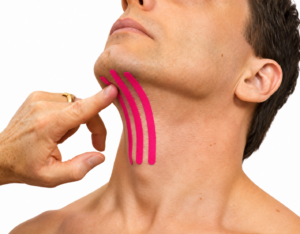
Swallowing involves coordinated activity of the oral, pharyngeal, laryngeal, and cervical structures. Participants learn to evaluate the anatomical and functional relationships relevant to swallowing and to identify potential NMT applications for selected cervical and anterior neck regions. Applications are considered as adjuncts to established dysphagia rehabilitation, with particular attention to laryngeal excursion, cervical mobility, sensory feedback, and functional swallowing exercises. NMT does not replace instrumental swallowing assessment, established dysphagia interventions, or medical management of aspiration risk.
Voice Therapy and Functional Dysphonia
Voice production depends on the coordinated interaction of respiratory support, laryngeal function, cervical musculature, and postural control. NMT applications may complement voice therapy programs addressing selected presentations involving muscle tension, cervical restrictions, and altered movement patterns. Participants learn to integrate decompressive applications with vocal exercises, respiratory coordination, and functional voice rehabilitation.
Respiratory Coordination and Phonation
Respiratory function plays a fundamental role in phonation, vocal intensity, and speech coordination. The course introduces NMT applications for the diaphragm, thoracic musculature, cervical region, and associated postural structures. Clinical reasoning focuses on the relationship between respiratory movement, muscular coordination, and voice production.
Cervical and Laryngeal Mobility
Restrictions involving the cervical musculature, superficial fascia, and postoperative tissues may influence movement and comfort during swallowing and phonation. Participants learn to select NMT applications for the sternocleidomastoid, scalene, trapezius, anterior neck, and related muscular regions.
The objective is to complement appropriate manual therapy, movement exercises, and speech therapy rehabilitation.
Post-Surgical and Oncology Rehabilitation
Surgery and radiotherapy involving the head and neck may produce changes in tissue mobility, scar formation, sensory function, and swallowing or voice performance. The course examines selected NMT applications following partial laryngeal surgery, head and neck procedures, and radiotherapy, subject to appropriate tissue healing and medical clearance. Rehabilitation planning considers the patient’s surgical anatomy, airway status, skin condition, and functional objectives.
Scar Rehabilitation and Post-Radiotherapy Tissue Changes
Following appropriate healing, NMT applications may complement scar mobilization and cervical rehabilitation. Participants learn to assess tissue sensitivity, postoperative adhesions, and movement restrictions affecting the neck and laryngeal region. Applications are avoided on open wounds, actively damaged irradiated skin, and other areas where clinical contraindications are present.
Course Structure and Practical Training
The program is organized into three full days of interactive training, combining theoretical presentations, practical demonstrations, supervised application exercises, and clinical case discussions.
Day 1 – Foundations of NMT in Speech Therapy and Cervical Rehabilitation
NMT Principles, Functional Anatomy and Foundational Applications
The first day introduces the NeuroMuscular Taping methodology and its application to speech therapy, with emphasis on functional anatomy, clinical assessment, and cervical and thoracic rehabilitation.
NMT Methodology and Clinical Reasoning: Participants review the history and development of NeuroMuscular Taping, decompressive and compressive principles, skin elasticity, and the anatomical relationships involved in swallowing and voice production. Clinical discussions address patient assessment, treatment objectives, contraindications, and application selection.
Cervical, Shoulder and Thoracic Applications: Practical training introduces NMT applications for the upper and middle trapezius, rhomboids, pectoral musculature, and selected cervical and thoracic muscles. Participants explore the relationship between cervical mobility, thoracic posture, muscular coordination, and respiratory support for speech and swallowing.
Clinical Integration and Practical Development: Instructor demonstrations are followed by supervised practice, individual corrections, and case discussions. Participants learn appropriate tape preparation, anatomical positioning, skin elongation, and zero-tension application techniques.
Day 2 – Swallowing, Laryngeal and Post-Surgical Rehabilitation
Dysphagia, Cervical Function, Respiratory Coordination and Oncology Rehabilitation
The second day develops specialized NMT applications for swallowing, laryngeal mobility, cervical rehabilitation, and postoperative recovery.
Anterior Neck and Swallowing-Related Applications: Participants learn applications involving the sternocleidomastoid, splenius, semispinalis, anterior cervical musculature, and selected laryngeal and pharyngeal regions. Clinical reasoning addresses the anatomical relationships involved in swallowing, cervical movement, and laryngeal excursion.
Dysphagia and Functional Swallowing Rehabilitation: Practical sessions explore the integration of NMT with established swallowing exercises and rehabilitation strategies. Participants consider clinical objectives, anatomical positioning, treatment sequencing, and the importance of swallowing safety.
Lymphatic, Scar and Postoperative Applications: The course introduces selected NMT applications for postoperative oedema, scar mobility, and cervical tissue restrictions. Clinical examples include rehabilitation following head and neck surgery, partial laryngeal procedures, and radiotherapy.
Neurological and Neurosensory Considerations: Participants review the functional relationships between cervical and orofacial musculature, sensory pathways, and selected cranial nerve functions relevant to swallowing and phonation. The session concludes with clinical case discussions, treatment planning, and instructor feedback.
Day 3 – Voice Rehabilitation, Dysphonia and Functional Integration
Phonation, Respiratory Support, Postural Coordination and Advanced Clinical Reasoning
The third day focuses on integrating NMT into voice rehabilitation and developing individualized treatment protocols for selected voice disorders.
Functional Dysphonia and Muscle Tension Disorders: Participants explore NMT applications as adjuncts to rehabilitation for functional dysphonia, muscle tension dysphonia, vocal fatigue, and selected voice-use disorders. Clinical reasoning addresses cervical muscular involvement, postural relationships, and the integration of taping with established voice therapy techniques.
Laryngeal Motility and Structural Voice Disorders: Clinical discussions examine rehabilitation considerations associated with vocal fold paresis or paralysis, vocal fold lesions, and selected inflammatory or structural laryngeal conditions. Participants learn to distinguish between conditions requiring medical or surgical management and those where adjunctive rehabilitation strategies may be appropriate.
Respiratory and Postural Integration: Practical training explores the relationship between diaphragmatic movement, thoracic mobility, cervical posture, and voice production. Participants develop combinations of NMT applications designed to complement respiratory and phonatory rehabilitation exercises.
Clinical Protocol Development: The final practical sessions focus on treatment sequencing, selection of anatomical regions, and development of individualized NMT protocols. Clinical cases are reviewed with particular attention to diagnosis, therapeutic objectives, treatment duration, application selection, and expected functional outcomes.
The day concludes with theoretical assessment, case discussions, and preparation for the practical examination.
Developing Individualized Swallowing and Voice Rehabilitation Protocols
A central component of the course is the development of NMT-specific clinical reasoning and treatment sequencing according to the patient’s diagnosis, anatomical involvement, tissue condition, and functional objectives. Participants learn to determine which anatomical regions should be prioritized, how applications may be combined, and when decompressive taping can complement established speech therapy interventions.
Treatment planning considers three principal rehabilitation phases.
- Acute Phase: Rehabilitation priorities include patient safety, tissue protection, appropriate sensory stimulation, and consideration of swelling or postoperative restrictions. NMT is introduced only when clinically appropriate and when airway, swallowing, and skin safety have been established.
- Post-Acute Phase: Treatment focuses on progressive tissue mobility, cervical movement, respiratory coordination, and integration with swallowing or voice exercises. Selected applications may complement scar rehabilitation and postoperative recovery.
- Functional Phase: Applications are selected to support progressive swallowing and voice rehabilitation, postural coordination, respiratory control, and return to functional communication.
This structured approach encourages consistent clinical reasoning while allowing individualized applications based on patient presentation and therapeutic objectives.
Teaching Methodology
The course is delivered through live, instructor-led training, designed to maximize practical participation and interaction despite the distance-learning format. The program combines anatomical presentations, step-by-step application videos, live demonstrations, supervised practical exercises, and clinical case discussions. Participants practice NMT applications under live instructor supervision, using their camera to demonstrate anatomical positioning, tape preparation, application direction, and technical execution. The teaching team provides individual corrections and feedback, helping participants refine their manual skills and clinical reasoning. Clinical cases may be presented by instructors or participants, with discussion of diagnosis, treatment objectives, application selection, treatment sequencing, and anticipated outcomes. Scientific research and evidence-based medicine are integrated throughout the program. Full attendance and active participation are compulsory. Appropriate privacy and consent procedures apply to models, clinical cases, and practical demonstrations.
Final Examination and International Certification
The course includes a structured theoretical and practical assessment designed to evaluate clinical understanding, anatomical knowledge, application accuracy, and treatment reasoning.
The examination includes:
- Theoretical assessment: 75 multiple-choice questions and written responses covering NMT methodology, swallowing and voice anatomy, clinical reasoning, and rehabilitation protocols.
- Practical assessment: Demonstration of 10 selected NMT applications using a consenting model, evaluated through live video by an NMT instructor.
- Small-group assessment: Practical examinations are organized in groups of approximately 10 participants to maximize individual instructor feedback.
- Individual feedback: Written and practical results are reviewed, with comments provided by the teaching team.
- Certification standard: A minimum overall score of 90% is required, with final classifications of Pass, Excellent, or Distinction.
Successful participants receive the NMT International Certification and Qualification Diploma in Speech Therapy – Swallowing and Voice Rehabilitation, Stage 1. Certificates and professional membership cards are available digitally through the NMT Institute online platform. Certified practitioners are eligible for inclusion in the NMT International Practitioner Register, with the option to publish their professional details and clinical practice information.
Post-Course Mentoring and Professional Development
The NMT Institute recognizes that clinical competence develops through continued application, practical experience, and professional feedback. Following the training program, participants receive a two-hour online mentoring and feedback session, scheduled approximately two months after course completion. This session provides an opportunity to review NMT applications, discuss clinical experiences, refine treatment protocols, and explore relevant scientific research. A dedicated WhatsApp group provides direct communication with the NMT teaching team for up to two years.
Participants may continue their professional development through additional specialized NMT speech therapy programs:
Advanced Speech Therapy Training Pathways
- NMT Speech Therapy – Orofacial and Facial Muscle Rehabilitation, Stage 2: An advanced three-day training program focusing on orofacial musculature, facial movement disorders, and specialized rehabilitation applications. Completion of Speech Therapy Stage 1 is required.
- NMT Artistic Voice Rehabilitation – Stage 1: A specialized two-day program introducing NMT applications for professional voice users, performers, and individuals requiring advanced vocal function.
- NMT Artistic Voice Rehabilitation – Stage 2: A further two-day program developing advanced clinical reasoning and applications for artistic voice rehabilitation.
Course Information
- Course Title: NMT Professional Speech Therapy – Swallowing and Voice Rehabilitation, Stage 1
- Course Duration: 3 days – 24 hours, including theoretical and practical assessment, plus a two-hour online follow-up session
- Training Format: Live, interactive, instructor-led practical training
- Maximum Participants: 24–30
- Teaching Team: David Blow, Founder and Research Director, NeuroMuscular Taping Institute
- Target Professionals: Speech-language therapists, speech-language pathologists, medical specialists, physiotherapists, and eligible healthcare students
- Prerequisites: Appropriate professional training in anatomy and rehabilitation; no previous NMT certification required
- Assessment: Written examination and live practical assessment of 10 applications
- Certification: NMT International Certification – Speech Therapy, Swallowing and Voice Rehabilitation Stage 1
- Course Materials: NMT workbook, study resources, step-by-step application videos, and practical training kit where delivery is available
- Practical Requirements: A consenting adult model, suitable camera-equipped device, reliable internet connection, and NMT application materials
- Continuing Education Credits: Subject to accreditation and recognition by the relevant national or professional bodies
- Professional Support: Two-hour online mentoring session and instructor communication for up to two years
Advance Your Skills in Swallowing and Voice Rehabilitation
Develop specialized NeuroMuscular Taping skills for dysphagia rehabilitation, voice therapy, respiratory coordination, and postoperative head and neck recovery. Through intensive practical training, functional anatomical understanding, and structured clinical reasoning, this course provides speech-language professionals with additional skills to integrate decompressive taping into individualized rehabilitation programs. The NeuroMuscular Taping Institute promotes international professional education, clinical research, and evidence-informed practice, supporting the continued development of non-invasive rehabilitation methodologies.
Advance your professional expertise with NMT International Certification in Speech Therapy – Swallowing and Voice Rehabilitation.
NeuroMuscular Taping (NMT) – Speech Therapy Rehabilitation Stage 2
NeuroMuscular Taping (NMT) – Professional Speech Therapy Rehabilitation Stage 2
Integrating Elastic Decompression Methodology with Advanced Orofacial, Neurological, Swallowing, Voice and Post-Surgical Rehabilitation
International NMT Certification Program | Stage 2 | 3 Days – 24 Hours
Course Overview
 The NeuroMuscular Taping (NMT) Professional Speech Therapy Rehabilitation Course – Stage 2 is an intensive three-day advanced professional training programme designed for speech-language therapists, speech-language pathologists, medical specialists and rehabilitation professionals seeking to develop advanced clinical competencies in oral, facial, neurological, swallowing and voice rehabilitation. Building upon the foundations established during Stage 1, this programme expands the application of the NeuroMuscular Taping decompressive methodology to the complex functional relationships between facial musculature, cranial nerves, oral motor control, articulation, mastication, swallowing, phonation and respiratory coordination.
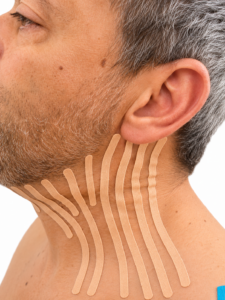
The course focuses particularly on the rehabilitation of orofacial muscular imbalance, facial paralysis, dysarthria, dysphagia, neurological motor impairments, voice dysfunction and the functional consequences of head and neck surgery, oncological treatment and radiotherapy. Participants develop advanced skills in anatomical assessment, clinical reasoning, application selection and the integration of multiple NMT techniques into individualized rehabilitation programmes. The NMT decompressive methodology uses elastic adhesive tape applied with zero tension while the skin and underlying tissues are positioned in functional elongation. When the body returns to its resting position, characteristic skin convolutions may become visible beneath the tape, creating a mechanical interaction intended to support superficial tissue mobility, sensory stimulation and functional rehabilitation.
Unlike conventional tension-based taping techniques, the NMT approach emphasizes decompression rather than mechanical restriction. Applications are selected according to the patient’s clinical presentation, functional limitations, stage of recovery and therapeutic objectives. Practical training emphasizes the relationship between cutaneous elasticity, facial muscular organization and neurological control. Participants learn to evaluate muscular asymmetry, altered movement patterns, compensatory activity and tissue restrictions before selecting appropriate applications.
The principal objective is to develop practical clinical skills for integrating NMT into established speech therapy rehabilitation programmes, particularly where muscular dysfunction, impaired tissue mobility or altered sensorimotor coordination contributes to functional limitations. The course combines anatomical instruction, neurological assessment, supervised practical applications, clinical case discussions and evidence-informed rehabilitation reasoning.
Who Should Attend?
This advanced course is designed for professionals involved in swallowing, communication, voice, neurological, oral and facial rehabilitation, including:
- Speech-language therapists and speech-language pathologists
- Medical doctors and rehabilitation specialists
- Otolaryngologists and phoniatric specialists
- Neurologists, physiatrists and other relevant medical specialists
- Physiotherapists working in neurological and head and neck rehabilitation
- Professionals involved in dysphagia, facial paralysis and voice rehabilitation
- Qualified healthcare professionals working in multidisciplinary rehabilitation teams
Prerequisite: Completion of NeuroMuscular Taping Professional Speech Therapy Rehabilitation – Stage 1. Participants should possess an appropriate foundation in anatomy, clinical assessment and rehabilitation. All applications must remain within the practitioner’s professional scope and applicable national regulations.
Course Objectives and Professional Competencies
The principal objective of Stage 2 is to develop advanced theoretical knowledge and practical manual skills in the application of NeuroMuscular Taping to oral, facial, neurological, swallowing and voice-related rehabilitation. Participants will develop a more comprehensive understanding of the anatomical and functional relationships between the facial muscles, cranial nerves, oral motor structures and cervical musculature. Particular emphasis is placed on recognizing muscular imbalance, altered movement coordination, facial asymmetry and tissue restrictions that may influence communication and swallowing. The programme develops the ability to identify appropriate therapeutic objectives and select decompressive applications according to the patient’s diagnosis, functional assessment and stage of rehabilitation. Participants will also learn to combine NMT applications with manual mobilization, neuromuscular rehabilitation, oral motor exercises, swallowing therapy, voice rehabilitation and patient-directed functional activities. By the end of the programme, participants should be able to demonstrate correct application techniques, justify their clinical choices and integrate NMT into individualized multidisciplinary rehabilitation plans.
Training Methodology
The programme combines theoretical instruction with supervised practical training, clinical demonstrations and case-based learning. Theoretical sessions provide the anatomical, neurological and functional foundations required for appropriate application selection. Practical sessions concentrate on manual precision, correct skin positioning, zero-tension methodology, tape preparation and application combinations. Participants practice the techniques under instructor supervision, developing their ability to evaluate tissue response, adapt applications to individual patient needs and reassess functional objectives. Clinical reasoning is emphasized throughout the course, ensuring that applications are selected according to the patient’s presentation rather than applied as standardized techniques without individual assessment.
Three-Day Professional Training Programme
Day 1 – Advanced Oral and Facial Musculature Rehabilitation
8 Hours – Orofacial Anatomy, Muscular Balance, Articulation and Swallowing Coordination
Sessione 1 – Review of NMT Principles and Advanced Orofacial Assessment
The first module reviews the theoretical foundations of the NeuroMuscular Taping decompressive methodology, with particular attention to its application in the oral and facial regions. Participants revisit zero-tension application, functional skin elongation, cutaneous elasticity and the relationship between skin movement and underlying muscular activity. The session examines the functional organization of the facial musculature and its role in articulation, facial expression, mastication, oral competence and swallowing. Clinical assessment focuses on muscular imbalance, facial asymmetry, reduced movement coordination and compensatory activity. Particular attention is given to the relationship between the upper, middle and lower facial muscular regions and the relevant lines of cutaneous elasticity. Practical demonstrations introduce advanced application planning and the selection of appropriate decompressive techniques.
Sessione 2 – Upper and Middle Facial Musculature Rehabilitation
This module concentrates on the muscles responsible for upper lip movement, facial expression and coordination of the middle facial region. Practical applications include the levator labii superioris alaeque nasi, levator anguli oris, zygomaticus major and minor, and risorius muscles. Participants examine how muscular weakness, asymmetry or altered coordination may influence lip movement, articulation and facial expression. Supervised exercises focus on anatomical identification, appropriate patient positioning, application direction and the selection of techniques according to the patient’s functional limitations.
Sessione 3 – Lower Facial Musculature and Oral Motor Rehabilitation
The third module examines the muscular structures involved in lip closure, cheek control, oral containment and the oral phase of swallowing. Practical applications include the orbicularis oris, buccinator, depressor anguli oris and related perioral musculature. Participants explore rehabilitation considerations for reduced lip competence, altered facial coordination, difficulties controlling saliva and impaired oral motor movement. The functional contribution of the trigeminal nerve to mastication and mandibular movement is examined alongside the facial nerve’s role in the control of facial expression. Clinical reasoning focuses on differentiating muscular, neurological and functional impairments before selecting appropriate NMT applications.
Sessione 4 – Combined Orofacial Applications and Functional Rehabilitation
The final module integrates the practical techniques introduced throughout the first day. Participants develop combinations of NMT applications according to specific rehabilitation objectives involving articulation, oral motor coordination, facial symmetry and swallowing-related muscular function. The session explores the integration of decompressive applications with manual mobilization, facial exercises, functional oral motor training and appropriate patient self-management. Practical exercises emphasize application accuracy, clinical reasoning, functional reassessment and the development of individualized treatment strategies.
Day 2 – Facial Paralysis and Neurological Speech Therapy Rehabilitation
8 Hours – Cranial Nerve Function, Facial Neuromuscular Rehabilitation and Neurological Disorders
Sessione 5 – Upper Facial Musculature and Facial Nerve Rehabilitation
The second day begins with an advanced examination of the upper facial musculature and the functional consequences of facial nerve dysfunction. Practical applications include the frontalis, corrugator supercilii, orbicularis oculi and associated muscles involved in eyebrow movement, eyelid function and facial expression. Participants review the anatomy of the seventh cranial nerve, its principal branches and the differences between central and peripheral facial weakness. The programme examines the etiology, clinical manifestations, classification and functional assessment of facial paralysis, including idiopathic peripheral facial palsy, cerebrovascular injury, traumatic conditions and post-surgical facial nerve dysfunction. Clinical assessment includes resting facial symmetry, voluntary movement, muscular coordination and compensatory activity. Particular attention is given to the precautions required when working around the eye and in patients with incomplete eyelid closure.
Sessione 6 – Advanced NMT Applications in Facial Paralysis
This module develops clinical reasoning for integrating NeuroMuscular Taping into facial paralysis rehabilitation. Participants examine the relationship between neurological diagnosis, muscular imbalance, movement limitations, altered tissue mobility and functional rehabilitation objectives. The programme considers facial weakness associated with cerebrovascular lesions, traumatic brain injury, peripheral nerve disorders and selected post-surgical conditions. Practical training focuses on combining applications across the upper, middle and lower facial regions while respecting the functional organization of the facial musculature and relevant cutaneous elasticity lines. The session also examines the integration of NMT with facial neuromuscular retraining, movement coordination exercises and manual rehabilitation techniques.
Sessione 7 – Neurological Speech Disorders, Dysarthria and Dysphagia
The third module explores the integration of NMT into speech therapy rehabilitation for neurological conditions affecting oral motor control, articulation, swallowing and communication. Clinical scenarios include dysarthria and articulation deficits following stroke, cerebral hemorrhage, traumatic brain injury, severe acquired brain injury and cerebral palsy. Participants examine dysphagia associated with neurological impairment, particularly difficulties involving lip closure, oral containment, bolus preparation and oral transport. The programme also considers oral motor deficits following dental, oral and maxillofacial procedures, together with motor and apraxic impairments associated with aphasia. Selected fluency and cognitive-communication disorders are discussed where associated muscular or sensorimotor impairments may be relevant to rehabilitation. The emphasis remains on identifying specific physical dysfunctions that may be appropriate targets for complementary NMT applications.
Sessione 8 – Neurodegenerative Disorders and Respiratory Rehabilitation
The final module of Day 2 examines the rehabilitation needs of patients with progressive neurological and neuromuscular conditions. Clinical discussion includes Parkinson’s disease, multiple sclerosis, amyotrophic lateral sclerosis and other disorders affecting facial movement, articulation, swallowing and respiratory coordination. Participants examine the influence of muscular rigidity, weakness, fatigue, postural changes and impaired coordination on communication and swallowing function. The programme considers the integration of NMT into individualized rehabilitation strategies where specific muscular or tissue mobility impairments have been identified. Clinical case discussions emphasize appropriate patient selection, realistic functional objectives, interdisciplinary management and the recognition of disease-specific precautions.
Day 3 – Advanced Swallowing, Voice and Post-Surgical Rehabilitation
8 Hours – Dysphagia, Oncology, Laryngeal Rehabilitation and Clinical Integration
Sessione 9 – Advanced Dysphagia and Orofacial Functional Rehabilitation
The third day begins with the integration of oral, facial, cervical and swallowing-related rehabilitation concepts. Participants review the functional relationships between oral motor coordination, mandibular movement, lip competence, cervical mobility and swallowing performance. Clinical reasoning addresses swallowing difficulties following neurological injury, traumatic conditions, oral and maxillofacial surgery and selected neuromuscular disorders. Practical training focuses on selecting and combining NMT applications according to the patient’s functional assessment and rehabilitation objectives. The programme emphasizes the integration of decompressive taping with established dysphagia rehabilitation techniques, functional swallowing exercises and appropriate medical management.
Sessione 10 – Post-Surgical, Oncological and Radiotherapy Rehabilitation
This module examines the rehabilitation challenges associated with surgery and oncological treatment involving the oral cavity, face, cervical region and larynx. Participants review the clinical implications of post-operative edema, scar formation, tissue adhesions, fibrosis and altered mobility following radiotherapy. Practical instruction considers NMT applications for selected post-surgical edema, healed scars and tissue mobility limitations. The programme also examines rehabilitation following partial, subtotal and total laryngectomy, including the functional consequences of altered cervical tissue mobility and the presence of tracheostomy or permanent tracheostoma. Particular attention is given to application precautions involving surgical wounds, irradiated tissues, fragile skin, airway devices and medically complex patients.
Sessione 11 – Voice Rehabilitation, Laryngeal Function and Postural Integration
This module explores the relationships between respiratory mechanics, cervical musculature, laryngeal movement, phonation and posture. Participants examine the clinical reasoning involved in integrating NMT into selected voice rehabilitation programmes. Conditions discussed include acute and chronic laryngitis, vocal fold nodules, polyps, cysts, Reinke’s edema, vocal fold paralysis and functional dysphonia. The programme also addresses muscle tension dysphonia, vocal overuse, maladaptive phonatory patterns, pitch-related difficulties and selected voice rehabilitation needs associated with gender-affirming care. The influence of respiratory dysfunction, cervical muscular imbalance, thoracic mobility and postural organization is examined through practical demonstrations. Participants develop application strategies intended to complement established voice therapy objectives where relevant muscular or tissue mobility limitations are present.
Sessione 12 – Integrated Clinical Applications, Case Studies and Final Assessment
The final module consolidates the theoretical knowledge and practical skills developed throughout the three-day programme. Participants examine clinical cases involving facial paralysis, oral motor dysfunction, dysphagia, neurological disorders, voice dysfunction and post-surgical rehabilitation. Supervised exercises focus on clinical assessment, identification of therapeutic objectives, anatomical accuracy, application selection and the appropriate combination of NMT techniques. Participants are required to explain the clinical rationale for their applications and demonstrate correct manual execution. The session includes discussion of relevant clinical literature, ongoing research and the limitations of current evidence. The programme concludes with the written examination, practical skills assessment and final instructor evaluation.
Practical Competencies and Clinical Integration
The Stage 2 programme emphasizes the development of advanced manual skills and the ability to integrate different NMT applications into individualized speech therapy rehabilitation programmes. Participants develop competencies in assessing facial muscular imbalance, selecting applications for oral motor dysfunction, understanding cranial nerve-related impairments and identifying appropriate complementary rehabilitation strategies. The course also develops clinical reasoning in the management of selected neurological conditions, swallowing difficulties, voice disorders and post-surgical tissue restrictions. Particular emphasis is placed on combining applications appropriately, recognizing contraindications and precautions, and evaluating functional responses during rehabilitation. NMT is presented as an additional therapeutic methodology within multidisciplinary rehabilitation and not as a replacement for established medical, neurological, swallowing or voice therapy interventions.
Examination and International Certification
The final assessment evaluates theoretical understanding, clinical reasoning and practical application skills. The examination process includes a written test, supervised practical assessment and final evaluation by the instructor and tutor. The written examination assesses knowledge of functional anatomy, cranial nerve relationships, clinical indications, application principles, safety considerations and the NMT decompressive methodology. The practical assessment evaluates anatomical identification, patient positioning, tape preparation, application accuracy, correct use of zero tension and the ability to justify the selected therapeutic approach. Participants must achieve a final examination score greater than 90% to pass. Successful participants are classified according to three levels of achievement: Pass, Excellent and Distinction. Following successful completion of the required Stage 1 and Stage 2 training pathway and final assessments, eligible participants receive the International NeuroMuscular Taping Speech Therapy Rehabilitation Certification, including an individual internationally registered certification number. Certification confirms professional training in the NMT methodology. Clinical application remains subject to the participant’s professional qualifications, authorized scope of practice and applicable national regulations.
Course Information
- Course Title: NMT Professional Speech Therapy – Advanced Orofacial, Neurological, Swallowing, Voice and Post-Surgical Rehabilitation Stage 2
- Course Duration: 3 days – 24 hours, including theoretical and practical assessment, plus a two-hour online follow-up session
- Training Format: Live, interactive, instructor-led practical training
- Maximum Participants: 24–30
- Teaching Team: David Blow, Founder and Research Director, NeuroMuscular Taping Institute
- Target Professionals: Speech-language therapists, speech-language pathologists, medical specialists, physiotherapists, and eligible healthcare students
- Prerequisites: Appropriate professional training in anatomy and rehabilitation; Previous NMT Speech Therapy stage 1 certification required
- Assessment: Written examination and live practical assessment of 10 applications
- Certification: NMT International Certification – Advanced Orofacial, Neurological, Swallowing, Voice and Post-Surgical Rehabilitation Stage 2
- Course Materials: NMT workbook, study resources, step-by-step application videos, and practical training kit where delivery is available
- Practical Requirements: A consenting adult model, suitable camera-equipped device, reliable internet connection, and NMT application materials
- Continuing Education Credits: Subject to accreditation and recognition by the relevant national or professional bodies
- Professional Support: Two-hour online mentoring session and instructor communication for up to two years
Advancing Speech Therapy Rehabilitation Through Decompressive NeuroMuscular Taping
The NeuroMuscular Taping Professional Speech Therapy Rehabilitation – Stage 2 programme represents an advanced stage in the development of clinical knowledge and practical skills for professionals working in oral, facial, neurological, swallowing and voice rehabilitation. By integrating advanced anatomical assessment, neurological understanding, clinical reasoning and supervised practical applications, participants develop the competencies required to incorporate decompressive NMT techniques into individualized rehabilitation programmes. The course emphasizes the importance of understanding not only how to perform an application, but also when and why a particular technique may be appropriate within a comprehensive therapeutic strategy.
Through advanced professional training, the NeuroMuscular Taping Institute promotes the integration of clinical knowledge, practical competence and multidisciplinary rehabilitation, supporting the continued development of patient-centred therapeutic approaches.
NeuroMuscular Taping (NMT) Program – Artistic Voice, Dysphonia and Professional Voice Rehabilitation Stage 1
NeuroMuscular Taping (NMT) – Artistic Voice, Dysphonia and Professional Voice Rehabilitation – Stage 1
Decompressive Taping for Vocal Function, Laryngeal Mobility, Respiratory Coordination and Professional Voice Rehabilitation
International NMT Professional Training and Certification | 2 Days – 16 Hours
Course Overview
Course Code: NMT STV/I°
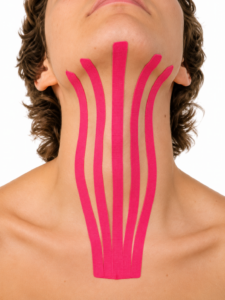 The NeuroMuscular Taping (NMT) Artistic Voice, Dysphonia and Professional Voice Rehabilitation Program is a specialised two-day course for speech-language therapists, phoniatricians, otolaryngologists and healthcare professionals involved in voice rehabilitation. Developed by the NeuroMuscular Taping Institute in collaboration with specialists in artistic voice rehabilitation, the program introduces elastic decompressive taping applied with zero tension (0%), integrating functional anatomy, respiratory mechanics, cervical myofascial function, laryngeal mobility and neuromuscular coordination.
Vocal production depends on the interaction between breathing, vocal fold vibration, laryngeal positioning, resonance and articulatory control. Muscular tension, altered respiratory patterns, cervical restrictions and postoperative changes may affect vocal efficiency, particularly in singers, actors, teachers and professional voice users. The NMT methodology involves applying elastic tape without tension while the skin is positioned in functional elongation. When the body returns to its neutral position, characteristic skin convolutions develop beneath the tape, providing cutaneous mechanical stimulation that may complement established voice rehabilitation exercises.
The course examines NMT applications during acute, post-acute and functional rehabilitation, focusing on cervical and extrinsic laryngeal musculature, respiratory coordination, muscle tension dysphonia, postoperative oedema and healed surgical scars. Participants develop practical skills in selecting applications according to individual vocal rehabilitation objectives and integrating NMT with established voice therapy, respiratory exercises and postural rehabilitation. NMT is presented as a complementary rehabilitation methodology and does not replace specialist laryngeal assessment or established medical and speech-language treatment.
Target Professionals
The program is intended for speech-language therapists, speech-language pathology students, otolaryngologists, phoniatricians, rehabilitation medicine specialists and medical doctors. It is particularly relevant to professionals working in artistic voice rehabilitation, voice clinics, performing arts medicine and postoperative head and neck rehabilitation. Prerequisites: No previous NMT certification required.
Educational Objectives
Participants will develop the knowledge and practical skills to:
- Understand NMT zero-tension decompressive methodology and maximum lines of skin elasticity (MEL).
- Review cervical, laryngeal, pharyngeal, respiratory and orofacial functional anatomy.
- Examine relationships between breathing, posture, muscular coordination and vocal production.
- Develop NMT applications for cervical and extrinsic laryngeal muscular regions.
- Integrate decompressive techniques into rehabilitation for muscle tension dysphonia and vocal overload.
- Apply selected lymphatic and scar techniques following appropriate head and neck procedures.
- Combine NMT with voice therapy, respiratory exercises and postural rehabilitation.
- Recognise contraindications, clinical precautions and current evidence limitations.
The program emphasises anatomical precision, functional voice assessment and individualised rehabilitation planning.
Course Structure and Practical Training
Day 1 – Functional Anatomy, Respiratory Coordination and Laryngeal Rehabilitation
8 Hours – NMT Foundations, Cervical Musculature, Respiratory Mechanics and Post-Surgical Applications
Session 1 – NMT Foundations and Functional Voice Anatomy
Introduction to NeuroMuscular Taping, its decompressive methodology and the anatomical principles relevant to voice rehabilitation. Participants review compressive and decompressive taping, eccentric applications, skin elasticity and the relationships between cutaneous stimulation and muscular coordination. Functional anatomy includes the cervical musculature, hyoid bone, larynx, pharynx, thoracic cage and respiratory diaphragm.
Practical laboratory: Skin assessment, anatomical positioning, tape preparation, zero-tension applications and maximum lines of skin elasticity. Clinical precautions for anterior cervical applications are introduced.
Session 2 – Cervical, Thoracic and Respiratory Applications
This session examines the muscular relationships involved in posture, breathing and vocal production. Anatomical review includes the upper trapezius, rhomboids, pectoralis major, splenius capitis and cervicis, sternocleidomastoid, thoracic paravertebral muscles and abdominal musculature.
Practical laboratory: NMT cervical, upper trapezius, rhomboid, pectoral, thoracic and abdominal applications, including selected diaphragmatic-region configurations. Applications are integrated with breathing exercises, postural assessment and functional vocal activities.
Session 3 – Extrinsic Laryngeal and Orofacial Musculature
Participants examine the relationships between cervical muscular tension, hyoid mobility, extrinsic laryngeal function and orofacial coordination. Anatomical review includes the suprahyoid and infrahyoid muscles, masseter, anterior cervical fascia and relevant trigeminal nerve relationships.
Practical laboratory: Selected NMT masseter, suprahyoid-region, infrahyoid-region and anterior cervical applications. Emphasis is placed on safe anatomical positioning, swallowing and breathing considerations, and avoidance of cervical compression.
Session 4 – Oedema, Scars and Post-Surgical Voice Rehabilitation
This session examines regional oedema, postoperative scarring and superficial tissue restrictions following functional laryngeal surgery, vocal fold procedures and selected head and neck oncological interventions.
Practical laboratory: NMT cervical lymphatic drainage, healed scar decompression and applications supporting postoperative cervical movement rehabilitation. Clinical reasoning addresses tissue mobility, swallowing, laryngeal movement and rehabilitation progression, respecting surgical and radiotherapy-related precautions. The day concludes with case discussions and supervised practical feedback.
Day 2 – Dysphonia, Artistic Voice and Professional Vocal Rehabilitation
8 Hours – Functional Voice Disorders, Respiratory-Laryngeal Coordination and Artistic Voice Applications
Session 5 – Dysphonia and Respiratory Support
Participants review respiratory mechanics, phonatory airflow, laryngeal coordination and vocal efficiency.
Clinical discussion includes obstructive, restrictive and mixed respiratory conditions and their influence on voice production.
Practical laboratory: NMT diaphragmatic-region, thoracic, cervical and respiratory muscular applications integrated with breathing and voice therapy exercises.
Session 6 – Functional and Muscle Tension Dysphonia
This session examines primary and secondary muscle tension dysphonia, professional vocal overload and functional voice disturbances. Participants review excessive extrinsic laryngeal muscular activity, cervical tension, postural coordination, vocal overuse and inappropriate phonatory strategies.
Practical laboratory: NMT cervical, suprahyoid-region, infrahyoid-region, masseter and upper thoracic applications integrated with established voice therapy. Selected clinical discussions include puberphonia and individualised pitch-related rehabilitation.
Session 7 – Organic Dysphonia and Laryngeal Movement Disorders
Participants examine vocal fold nodules, polyps, cysts, Reinke’s oedema, laryngitis and selected vocal fold movement disorders, including unilateral vocal fold paralysis.
Practical laboratory: NMT cervical and regional muscular applications intended to complement specialist-directed rehabilitation. The session distinguishes the management of associated muscular or tissue restrictions from medical treatment of underlying laryngeal pathology.
Session 8 – Artistic Voice, Posture and Functional Integration
The final session focuses on singers, actors, performers and other professional voice users. Participants examine relationships between posture, respiratory coordination, cervical muscular activity, vocal endurance and performance-related fatigue.
Practical laboratory: Combined NMT cervical, thoracic, diaphragmatic-region and extrinsic laryngeal applications integrated with vocal warm-up, breathing and postural exercises. The course concludes with clinical case discussions, practical assessment and the written examination.
Module 2 – Advanced Artistic Voice Clinical Workshop
Optional Third Day – 8 Hours, Scheduled at Least Three Months After Stage 1. The advanced workshop consolidates practical skills developed during the initial course and supports clinical integration of NMT into voice rehabilitation. Participants are encouraged to present a documented clinical case involving dysphonia, artistic voice rehabilitation or postoperative recovery. Cases are reviewed according to diagnosis, functional assessment, application selection, integration with voice therapy and observed outcomes. The workshop includes advanced application combinations, clinical reasoning, practical review and scientific discussion. Successful completion of additional required training and assessment contributes toward the NMT Advanced Specialisation in Artistic Voice and Dysphonia Rehabilitation.
Teaching Methodology
The program combines theoretical instruction, anatomical demonstrations, supervised practical laboratories and clinical case discussions. Participants practise each application on a colleague or suitable model under instructor supervision, developing anatomical accuracy, zero-tension application skills and clinical reasoning. Particular attention is given to the integration of NMT with respiratory coordination, postural rehabilitation and established voice therapy. Full attendance and active practical participation are required.
Final Examination and International Certification
The program includes:
- Written examination: 50 multiple-choice questions per module, where applicable.
- Practical examination: Supervised demonstration of selected NMT applications.
- Final evaluation: Written examination, practical assessment and instructor/tutor evaluation.
A score greater than 80% is required for successful completion. Results are classified as Pass, Excellent or Distinction. Successful participants receive the NMT International Certification – Artistic Voice, Dysphonia and Voice Rehabilitation, Stage 1, together with an individual international certification number. The advanced qualification requires completion of the relevant additional modules and examinations. Certification confirms successful completion of the educational program and does not extend the participant’s legal scope of professional practice.
Educational Materials
Participants receive an NMT training kit containing a backpack, skin-marking dermo-pencil, scissors, multicoloured elastic adhesive tape, course workbook, certificate and certification membership card. Original kit value: Approximately €40.
Recommended Reading
- NeuroMuscular Taping: From Theory to Practice – Edi Ermes, Milan, 2012.
- Functional voice anatomy, artistic voice physiology, dysphonia rehabilitation, respiratory-laryngeal coordination and postoperative head and neck rehabilitation literature.
Course Information
- Course Title: NeuroMuscular Taping – Artistic Voice, Dysphonia and Professional Voice Rehabilitation – Stage 1
- Course Code: NMT STV/I°
- Duration: 2 days – 16 hours.
- Day 1: Functional Anatomy, Respiratory Coordination and Laryngeal Rehabilitation – 8 hours.
- Day 2: Dysphonia, Artistic Voice and Professional Vocal Rehabilitation – 8 hours.
- Advanced Workshop: Optional third day – 8 hours, scheduled at least three months after Stage 1.
- Target Participants: Speech-language therapists, students, otolaryngologists, phoniatricians, rehabilitation medicine specialists and medical doctors.
- Maximum Participants: 40.
- Prerequisites: No previous NMT certification required.
- Assessment: 50 multiple-choice questions per module, where applicable, and practical examination.
- Passing Requirement: Greater than 80%.
- Certification: NMT International Certification – Artistic Voice, Dysphonia and Voice Rehabilitation, Stage 1.
- Continuing Education Credits: The original program specifies 23 Italian ECM credits; accreditation must be confirmed for each edition.
Supporting Vocal Function and Artistic Expression
The NMT Artistic Voice, Dysphonia and Professional Voice Rehabilitation Program provides healthcare professionals with a structured educational pathway for integrating elastic decompressive taping into voice rehabilitation. Through functional anatomy, respiratory mechanics, cervical myofascial rehabilitation and supervised practical training, participants develop specialised skills for adapting NMT to individual vocal rehabilitation objectives. The voice is more than sound production. It is the coordinated expression of breathing, movement, muscular control and communication.
Scientific and Educational Collaboration
Original program developed in collaboration with Dr Franco Fussi and La Voce Artistica. Collaboration and faculty participation are subject to confirmation for each edition.
NeuroMuscular Taping (NMT) Program – Artistic Voice, Dysphonia and Professional Voice Rehabilitation Stage 1
NeuroMuscular Taping (NMT) – Artistic Voice, Dysphonia and Professional Voice Rehabilitation – Stage 1
Decompressive Taping for Vocal Function, Laryngeal Mobility, Respiratory Coordination and Professional Voice Rehabilitation
International NMT Professional Training and Certification | 2 Days – 16 Hours
Course Overview
Course Code: NMT STV/I°
The NeuroMuscular Taping (NMT) Artistic Voice, Dysphonia and Professional Voice Rehabilitation Program is a specialised two-day course for speech-language therapists, phoniatricians, otolaryngologists and healthcare professionals involved in voice rehabilitation. Developed by the NeuroMuscular Taping Institute in collaboration with specialists in artistic voice rehabilitation, the program introduces elastic decompressive taping applied with zero tension (0%), integrating functional anatomy, respiratory mechanics, cervical myofascial function, laryngeal mobility and neuromuscular coordination.
Vocal production depends on the interaction between breathing, vocal fold vibration, laryngeal positioning, resonance and articulatory control. Muscular tension, altered respiratory patterns, cervical restrictions and postoperative changes may affect vocal efficiency, particularly in singers, actors, teachers and professional voice users. The NMT methodology involves applying elastic tape without tension while the skin is positioned in functional elongation. When the body returns to its neutral position, characteristic skin convolutions develop beneath the tape, providing cutaneous mechanical stimulation that may complement established voice rehabilitation exercises.
The course examines NMT applications during acute, post-acute and functional rehabilitation, focusing on cervical and extrinsic laryngeal musculature, respiratory coordination, muscle tension dysphonia, postoperative oedema and healed surgical scars. Participants develop practical skills in selecting applications according to individual vocal rehabilitation objectives and integrating NMT with established voice therapy, respiratory exercises and postural rehabilitation. NMT is presented as a complementary rehabilitation methodology and does not replace specialist laryngeal assessment or established medical and speech-language treatment.
Target Professionals
The program is intended for speech-language therapists, speech-language pathology students, otolaryngologists, phoniatricians, rehabilitation medicine specialists and medical doctors. It is particularly relevant to professionals working in artistic voice rehabilitation, voice clinics, performing arts medicine and postoperative head and neck rehabilitation. Prerequisites: No previous NMT certification required.
Educational Objectives
Participants will develop the knowledge and practical skills to:
- Understand NMT zero-tension decompressive methodology and maximum lines of skin elasticity (MEL).
- Review cervical, laryngeal, pharyngeal, respiratory and orofacial functional anatomy.
- Examine relationships between breathing, posture, muscular coordination and vocal production.
- Develop NMT applications for cervical and extrinsic laryngeal muscular regions.
- Integrate decompressive techniques into rehabilitation for muscle tension dysphonia and vocal overload.
- Apply selected lymphatic and scar techniques following appropriate head and neck procedures.
- Combine NMT with voice therapy, respiratory exercises and postural rehabilitation.
- Recognise contraindications, clinical precautions and current evidence limitations.
The program emphasises anatomical precision, functional voice assessment and individualised rehabilitation planning.
Course Structure and Practical Training
Day 1 – Functional Anatomy, Respiratory Coordination and Laryngeal Rehabilitation
8 Hours – NMT Foundations, Cervical Musculature, Respiratory Mechanics and Post-Surgical Applications
Session 1 – NMT Foundations and Functional Voice Anatomy
Introduction to NeuroMuscular Taping, its decompressive methodology and the anatomical principles relevant to voice rehabilitation. Participants review compressive and decompressive taping, eccentric applications, skin elasticity and the relationships between cutaneous stimulation and muscular coordination. Functional anatomy includes the cervical musculature, hyoid bone, larynx, pharynx, thoracic cage and respiratory diaphragm.
Practical laboratory: Skin assessment, anatomical positioning, tape preparation, zero-tension applications and maximum lines of skin elasticity. Clinical precautions for anterior cervical applications are introduced.
Session 2 – Cervical, Thoracic and Respiratory Applications
This session examines the muscular relationships involved in posture, breathing and vocal production. Anatomical review includes the upper trapezius, rhomboids, pectoralis major, splenius capitis and cervicis, sternocleidomastoid, thoracic paravertebral muscles and abdominal musculature.
Practical laboratory: NMT cervical, upper trapezius, rhomboid, pectoral, thoracic and abdominal applications, including selected diaphragmatic-region configurations. Applications are integrated with breathing exercises, postural assessment and functional vocal activities.
Session 3 – Extrinsic Laryngeal and Orofacial Musculature
Participants examine the relationships between cervical muscular tension, hyoid mobility, extrinsic laryngeal function and orofacial coordination. Anatomical review includes the suprahyoid and infrahyoid muscles, masseter, anterior cervical fascia and relevant trigeminal nerve relationships.
Practical laboratory: Selected NMT masseter, suprahyoid-region, infrahyoid-region and anterior cervical applications. Emphasis is placed on safe anatomical positioning, swallowing and breathing considerations, and avoidance of cervical compression.
Session 4 – Oedema, Scars and Post-Surgical Voice Rehabilitation
This session examines regional oedema, postoperative scarring and superficial tissue restrictions following functional laryngeal surgery, vocal fold procedures and selected head and neck oncological interventions.
Practical laboratory: NMT cervical lymphatic drainage, healed scar decompression and applications supporting postoperative cervical movement rehabilitation. Clinical reasoning addresses tissue mobility, swallowing, laryngeal movement and rehabilitation progression, respecting surgical and radiotherapy-related precautions. The day concludes with case discussions and supervised practical feedback.
Day 2 – Dysphonia, Artistic Voice and Professional Vocal Rehabilitation
8 Hours – Functional Voice Disorders, Respiratory-Laryngeal Coordination and Artistic Voice Applications
Session 5 – Dysphonia and Respiratory Support
Participants review respiratory mechanics, phonatory airflow, laryngeal coordination and vocal efficiency.
Clinical discussion includes obstructive, restrictive and mixed respiratory conditions and their influence on voice production.
Practical laboratory: NMT diaphragmatic-region, thoracic, cervical and respiratory muscular applications integrated with breathing and voice therapy exercises.
Session 6 – Functional and Muscle Tension Dysphonia
This session examines primary and secondary muscle tension dysphonia, professional vocal overload and functional voice disturbances. Participants review excessive extrinsic laryngeal muscular activity, cervical tension, postural coordination, vocal overuse and inappropriate phonatory strategies.
Practical laboratory: NMT cervical, suprahyoid-region, infrahyoid-region, masseter and upper thoracic applications integrated with established voice therapy. Selected clinical discussions include puberphonia and individualised pitch-related rehabilitation.
Session 7 – Organic Dysphonia and Laryngeal Movement Disorders
Participants examine vocal fold nodules, polyps, cysts, Reinke’s oedema, laryngitis and selected vocal fold movement disorders, including unilateral vocal fold paralysis.
Practical laboratory: NMT cervical and regional muscular applications intended to complement specialist-directed rehabilitation. The session distinguishes the management of associated muscular or tissue restrictions from medical treatment of underlying laryngeal pathology.
Session 8 – Artistic Voice, Posture and Functional Integration
The final session focuses on singers, actors, performers and other professional voice users. Participants examine relationships between posture, respiratory coordination, cervical muscular activity, vocal endurance and performance-related fatigue.
Practical laboratory: Combined NMT cervical, thoracic, diaphragmatic-region and extrinsic laryngeal applications integrated with vocal warm-up, breathing and postural exercises. The course concludes with clinical case discussions, practical assessment and the written examination.
Module 2 – Advanced Artistic Voice Clinical Workshop
Optional Third Day – 8 Hours, Scheduled at Least Three Months After Stage 1. The advanced workshop consolidates practical skills developed during the initial course and supports clinical integration of NMT into voice rehabilitation. Participants are encouraged to present a documented clinical case involving dysphonia, artistic voice rehabilitation or postoperative recovery. Cases are reviewed according to diagnosis, functional assessment, application selection, integration with voice therapy and observed outcomes. The workshop includes advanced application combinations, clinical reasoning, practical review and scientific discussion. Successful completion of additional required training and assessment contributes toward the NMT Advanced Specialisation in Artistic Voice and Dysphonia Rehabilitation.
Teaching Methodology
The program combines theoretical instruction, anatomical demonstrations, supervised practical laboratories and clinical case discussions. Participants practise each application on a colleague or suitable model under instructor supervision, developing anatomical accuracy, zero-tension application skills and clinical reasoning. Particular attention is given to the integration of NMT with respiratory coordination, postural rehabilitation and established voice therapy. Full attendance and active practical participation are required.
Final Examination and International Certification
The program includes:
- Written examination: 50 multiple-choice questions per module, where applicable.
- Practical examination: Supervised demonstration of selected NMT applications.
- Final evaluation: Written examination, practical assessment and instructor/tutor evaluation.
A score greater than 80% is required for successful completion. Results are classified as Pass, Excellent or Distinction. Successful participants receive the NMT International Certification – Artistic Voice, Dysphonia and Voice Rehabilitation, Stage 1, together with an individual international certification number. The advanced qualification requires completion of the relevant additional modules and examinations. Certification confirms successful completion of the educational program and does not extend the participant’s legal scope of professional practice.
Educational Materials
Participants receive an NMT training kit containing a backpack, skin-marking dermo-pencil, scissors, multicoloured elastic adhesive tape, course workbook, certificate and certification membership card. Original kit value: Approximately €40.
Recommended Reading
- NeuroMuscular Taping: From Theory to Practice – Edi Ermes, Milan, 2012.
- Functional voice anatomy, artistic voice physiology, dysphonia rehabilitation, respiratory-laryngeal coordination and postoperative head and neck rehabilitation literature.
Course Information
- Course Title: NeuroMuscular Taping – Artistic Voice, Dysphonia and Professional Voice Rehabilitation – Stage 1
- Course Code: NMT STV/I°
- Duration: 2 days – 16 hours.
- Day 1: Functional Anatomy, Respiratory Coordination and Laryngeal Rehabilitation – 8 hours.
- Day 2: Dysphonia, Artistic Voice and Professional Vocal Rehabilitation – 8 hours.
- Advanced Workshop: Optional third day – 8 hours, scheduled at least three months after Stage 1.
- Target Participants: Speech-language therapists, students, otolaryngologists, phoniatricians, rehabilitation medicine specialists and medical doctors.
- Maximum Participants: 40.
- Prerequisites: No previous NMT certification required.
- Assessment: 50 multiple-choice questions per module, where applicable, and practical examination.
- Passing Requirement: Greater than 80%.
- Certification: NMT International Certification – Artistic Voice, Dysphonia and Voice Rehabilitation, Stage 1.
- Continuing Education Credits: The original program specifies 23 Italian ECM credits; accreditation must be confirmed for each edition.
Supporting Vocal Function and Artistic Expression
The NMT Artistic Voice, Dysphonia and Professional Voice Rehabilitation Program provides healthcare professionals with a structured educational pathway for integrating elastic decompressive taping into voice rehabilitation. Through functional anatomy, respiratory mechanics, cervical myofascial rehabilitation and supervised practical training, participants develop specialised skills for adapting NMT to individual vocal rehabilitation objectives. The voice is more than sound production. It is the coordinated expression of breathing, movement, muscular control and communication.
Scientific and Educational Collaboration
Original program developed in collaboration with Dr Franco Fussi and La Voce Artistica. Collaboration and faculty participation are subject to confirmation for each edition.