NeuroMuscular Taping (NMT) Course Schedule – Professional Nursing Rehabilitation Training
Choose Your NMT Training Pathway
Our professional education programs are organised into three training categories:
- Foundation Courses: Introductory programs providing the essential theoretical knowledge, clinical reasoning, and practical application skills required to integrate NMT into specific professional and rehabilitation settings.
- Advanced Professional Courses: Specialised training programs designed to deepen clinical knowledge and develop advanced treatment protocols. These courses generally require completion of the relevant foundation program.
- Specialised Thematic Courses: Focused training programs addressing specific clinical conditions, rehabilitation objectives, or professional applications. Unless otherwise indicated, no previous NMT certification is required.
NeuroMuscular Taping (NMT) – Professional Nursing Rehabilitation Stage 1
NeuroMuscular Taping (NMT) – Professional Nursing Rehabilitation
Stage 1 – General Lymphatic Rehabilitation and Pain Management
Integrating Elastic Decompression Methodology with Nursing Care, Lymphatic Drainage, Oedema Management and Non-Pharmacological Pain Rehabilitation
International NMT Certification Program | Stage 1 | 2 Days – 16 Hours
Course Overview
 The NeuroMuscular Taping (NMT) Professional Nursing Rehabilitation – Stage 1 Course is an intensive two-day professional training program designed specifically for nurses seeking to develop practical skills in elastic decompressive taping and its integration into everyday nursing care. Developed by the NeuroMuscular Taping Institute in Italy, the program introduces a standardised clinical methodology combining lymphatic and vascular anatomy, cutaneous physiology, pain assessment, tissue decompression, patient comfort, and evidence-informed clinical reasoning. Particular emphasis is placed on integrating NMT with established nursing interventions for the management of peripheral oedema, lymphatic congestion, localised musculoskeletal discomfort, soft tissue sensitivity, and selected conditions associated with reduced movement or prolonged positioning.
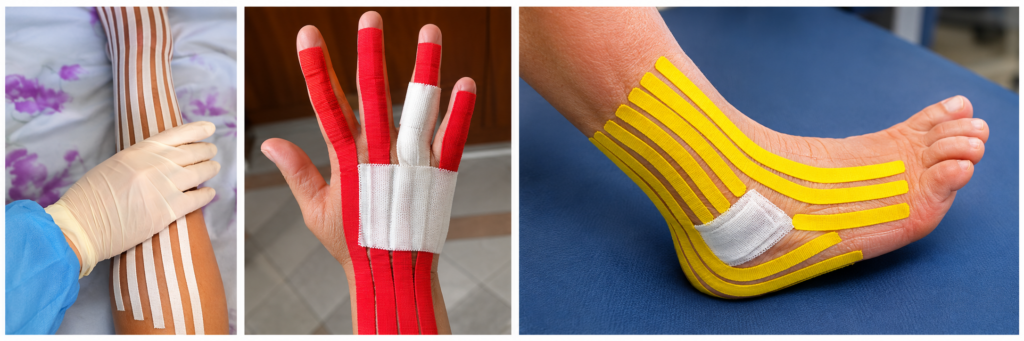
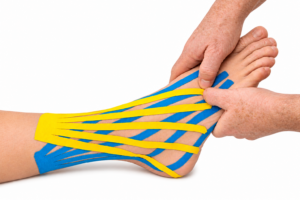
Unlike conventional tension-based taping techniques, the NMT decompressive methodology uses elastic adhesive tape applied with zero tension while the skin and underlying body region are positioned in functional elongation. When the body returns to its resting position, characteristic skin convolutions develop beneath the tape, creating a movement-responsive mechanical interaction intended to influence superficial tissue mobility and cutaneous sensory stimulation. The principal objective is to provide nurses with an additional non-invasive therapeutic technique that can complement nursing assessment, patient positioning, lymphatic care, pain management, and rehabilitation support. Participants learn to select appropriate NMT applications according to the patient’s clinical presentation, anatomical structures involved, tissue condition, and clearly defined nursing care objectives. The course emphasises practical skill development, patient safety, treatment monitoring, and integration with multidisciplinary healthcare services.
Who Should Attend?
This course is designed for nurses and nursing professionals working in hospital, community, rehabilitation, and long-term care environments, including:
- Registered nurses and general nursing professionals
- Rehabilitation and neurological nursing specialists
- Geriatric and long-term care nurses
- Community and home healthcare nurses
- Oncology and palliative care nurses
- Orthopaedic and surgical ward nurses
- Nurses involved in lymphatic and vascular care
- Final-year nursing students enrolled in recognised degree programs
No previous NeuroMuscular Taping certification is required. Participants should have an appropriate foundation in anatomy, physiology, nursing assessment, and patient care. NMT applications must remain within the nurse’s professional scope of practice, institutional protocols, and applicable national regulations.
Educational Objectives
The course develops the anatomical knowledge, clinical reasoning, and practical application skills required to integrate decompressive NMT techniques into nursing practice. Participants learn to understand the relationships between skin elasticity, superficial fascia, lymphatic drainage, peripheral circulation, tissue sensitivity, and pain-related sensory responses. Particular emphasis is placed on the integration of NMT with nursing interventions aimed at improving patient comfort, supporting the management of selected oedematous conditions, and complementing non-pharmacological pain management strategies.
Through supervised practical training, participants learn to assess tissue condition, identify anatomical drainage regions, select appropriate NMT applications, and monitor patient responses. The program also introduces the differences between acute, post-acute, and functional rehabilitation phases, allowing nurses to adapt applications to changing patient needs and clinical objectives. By the end of Stage 1, participants should be able to:
- Understand the principles of NMT elastic decompression and zero-tension application.
- Recognise the anatomical relationships between the skin, superficial fascia, lymphatic pathways, and peripheral circulation.
- Perform basic lymphatic NMT applications for the upper and lower extremities.
- Identify appropriate applications for selected presentations involving localised pain, tissue sensitivity, and muscular discomfort.
- Integrate NMT with patient positioning, nursing care, and established rehabilitation interventions.
- Recognise contraindications, warning signs, and situations requiring medical assessment.
- Develop basic nursing treatment protocols and evaluate patient responses.
Key Skills and Topics Covered
The course combines lymphatic anatomy, pain physiology, clinical reasoning, and intensive practical NMT training.
- 16 hours over 2 days, combining theoretical instruction, demonstrations, supervised practice, and clinical case discussions.
- NMT elastic decompression methodology, including zero-tension applications and differences between decompressive and compressive techniques.
- Cutaneous, lymphatic and vascular anatomy, focusing on superficial drainage pathways, tissue fluid regulation, and peripheral circulation.
- General lymphatic rehabilitation, including upper-limb, lower-limb, trunk, and regional drainage applications.
- Oedema management, including selected presentations involving peripheral swelling, immobility-related congestion, and localised soft tissue fluid accumulation.
- Pain assessment and nursing management, including pain intensity, tissue sensitivity, movement-related discomfort, and patient-reported outcomes.
- NMT applications for selected pain presentations, including cervical, shoulder, upper-limb, lumbar, knee, and ankle discomfort.
- Skin and tissue assessment, including fragility, irritation, pressure-related vulnerability, and adhesive tolerance.
- Basic haematoma and soft tissue applications, with attention to clinical assessment and appropriate timing.
- Integration with nursing care, including patient positioning, mobility assistance, therapeutic exercise prescribed by the rehabilitation team, and monitoring of symptoms.
- Clinical reasoning and treatment sequencing, adapted to acute, post-acute, and functional recovery phases.
- Contraindications and patient safety, including suspected thrombosis, infection, unexplained swelling, impaired skin integrity, and circulatory complications.
- Supervised practical training, including individual corrections, case studies, and evidence-informed decision-making.
- Post-course mentoring, including a two-hour online feedback session approximately two months after training.
- Ongoing instructor support, through a dedicated course WhatsApp group for up to two years.
Integrating NMT with Nursing Practice
A Complementary Approach to Nursing Care
NeuroMuscular Taping provides nursing professionals with an additional non-invasive technique that may be incorporated into individualised patient care plans. Nursing interventions frequently address discomfort, swelling, tissue sensitivity, movement limitations, and the consequences of prolonged positioning or reduced physical activity. NMT introduces a prolonged, movement-responsive cutaneous stimulus through elastic tape applied to selected anatomical regions. The course explores how this approach may complement established nursing interventions without replacing appropriate medical treatment, pharmacological pain management, compression therapy, or specialised rehabilitation.
Lymphatic Drainage and Peripheral Oedema Management
Peripheral oedema may be associated with reduced mobility, postoperative recovery, venous or lymphatic dysfunction, and other medical conditions. Participants learn to assess swelling, recognise relevant anatomical drainage pathways, and select appropriate NMT applications for the upper and lower extremities. The course introduces regional drainage techniques, including double-fan and double-joint applications, with particular attention to proximal and distal anatomical relationships. NMT is presented as a complementary technique. It does not replace compression therapy, manual lymphatic drainage, or medical treatment when these are indicated.
Non-Pharmacological Pain Management
Pain is a frequent concern in nursing care and may affect patient comfort, sleep, movement, and participation in rehabilitation. Participants learn to consider NMT as an adjunctive intervention for selected presentations involving muscular discomfort, superficial tissue sensitivity, and movement-related pain. Clinical reasoning addresses pain location, symptom duration, tissue condition, and patient-reported outcomes. The course explores the potential role of cutaneous sensory stimulation in pain modulation, while recognising that the effectiveness of NMT for specific pain conditions requires further clinical investigation.
Nursing Care for Patients with Reduced Mobility
Patients experiencing prolonged bed rest, limited movement, or reduced independence may develop peripheral swelling, muscular discomfort, and tissue sensitivity. Stage 1 introduces basic NMT applications that may complement appropriate positioning, nursing mobilisation, and established rehabilitation care. More advanced neuromuscular, postural, and functional mobility applications are developed in Stage 2 – Mobility Rehabilitation for Elderly and Recovering Patients.
Musculoskeletal Comfort and Soft Tissue Rehabilitation
The course introduces selected decompressive applications for the cervical region, shoulders, upper limbs, lumbar region, knees, and ankles. Participants learn to integrate these applications into nursing care plans where muscular discomfort or movement-related sensitivity is present. The objective is to complement patient comfort measures and rehabilitation activities without substituting for diagnostic assessment or specialist treatment.
Skin Integrity and Patient Safety
Skin assessment is a fundamental component of nursing practice and is particularly important when applying adhesive materials. Participants learn to evaluate skin condition, tissue fragility, sensitivity, oedema, and potential reactions to adhesive tape. Special precautions are considered for older adults, patients with fragile skin, those receiving anticoagulant therapy, and individuals with impaired sensation or circulation. Applications must be avoided when skin condition or the patient’s clinical status makes taping inappropriate.
Course Structure and Practical Training
The program is organised into two full days of classroom-based training, combining theoretical presentations, practical demonstrations, supervised application exercises, and nursing clinical case discussions.
Day 1 – Foundations of NMT, Upper-Limb Lymphatic Drainage and Pain Management
NMT Principles, Nursing Assessment, Upper-Extremity Applications and Clinical Reasoning
The first day introduces the NeuroMuscular Taping methodology and its integration into general nursing care, focusing on lymphatic anatomy, cutaneous physiology, upper-extremity drainage, and selected pain-related applications.
Session 1 – NMT Methodology and Nursing Clinical Reasoning
Participants review the history and development of NeuroMuscular Taping, elastic decompression principles, and the differences between decompressive and compressive taping. The session introduces skin elasticity, tissue elongation, zero-tension applications, and the anatomical relationships relevant to lymphatic and sensory rehabilitation. Clinical discussions address nursing assessment, patient selection, contraindications, treatment objectives, and application monitoring.
Session 2 – Hand, Wrist and Upper-Limb Lymphatic Drainage
Practical training introduces decompressive applications for the hand, wrist, forearm, and elbow. Participants learn double-joint drainage techniques involving the wrist-to-elbow and elbow-to-shoulder regions. Additional applications address complete upper-limb drainage and anatomical positioning for lymphatic rehabilitation. Emphasis is placed on tape preparation, cutting techniques, skin elongation, and accurate zero-tension application.
Session 3 – Shoulder, Chest and Upper-Trunk Drainage
Participants develop NMT applications for the shoulder, upper thoracic region, and lateral trunk. Practical demonstrations include posterior shoulder drainage, regional chest applications, and combined shoulder and trunk drainage techniques. Clinical reasoning focuses on anatomical drainage relationships, patient comfort, and appropriate nursing care objectives.
Session 4 – Pain Management and Musculoskeletal Comfort
The final session of Day 1 introduces basic NMT applications for selected presentations involving cervical, shoulder, and upper-limb discomfort. Participants explore the relationship between tissue sensitivity, superficial sensory stimulation, muscular movement, and pain-related functional limitations. Practical applications are integrated with pain assessment, patient positioning, and nursing care planning. The day concludes with supervised practice, case discussions, individual feedback, and questions.
Day 2 – Lower-Limb Lymphatic Rehabilitation, General Pain Management and Nursing Applications
Lower-Extremity Drainage, Peripheral Oedema, Soft Tissue Conditions and Clinical Protocol Development
The second day develops practical NMT applications for the lower extremities and introduces additional nursing applications for selected pain and soft tissue presentations.
Session 5 – Ankle, Foot and Lower-Limb Lymphatic Drainage
Participants learn decompressive applications for the medial, lateral, anterior, and posterior ankle regions. Practical training includes foot and toe drainage, lower-leg applications, and double-joint drainage between the ankle and knee. Clinical discussions address peripheral swelling, tissue sensitivity, patient positioning, and appropriate nursing monitoring.
Session 6 – Knee, Thigh and Inguinal Drainage
Participants develop applications for the anterior and posterior knee, popliteal region, thigh, and inguinal drainage pathways. Practical training includes double-joint applications extending from the knee toward the proximal thigh and inguinal region. The session explores appropriate treatment sequencing and the anatomical relationships involved in lower-limb lymphatic drainage.
Session 7 – General Pain, Haematoma and Soft Tissue Applications
This session introduces selected NMT applications for localised musculoskeletal discomfort, superficial soft tissue sensitivity, and appropriate presentations involving bruising or haematoma. Participants review the differences between acute and persistent symptoms, the importance of clinical assessment, and the need to exclude serious vascular, traumatic, or infectious conditions. Practical examples include selected knee, ankle, upper-limb, and lumbar discomfort presentations. The course also introduces the general principles of scar assessment and postoperative tissue considerations, which are developed in greater detail during Stage 3.
Session 8 – Nursing Treatment Protocols, Clinical Integration and Final Assessment
The final session focuses on developing individualised NMT nursing care protocols. Participants review treatment objectives, patient assessment, application selection, treatment duration, and monitoring of clinical responses. Clinical case discussions include patients with peripheral swelling, localised muscular discomfort, reduced movement, and selected soft tissue conditions. Participants review current research, evidence-informed nursing practice, and the limitations of available clinical evidence. The session concludes with theoretical and practical assessment.
Developing Individualised NMT Nursing Care Protocols
A central component of Stage 1 is the development of NMT-specific clinical reasoning and treatment sequencing according to the patient’s diagnosis, tissue condition, pain presentation, lymphatic status, and nursing care objectives. Participants learn to identify appropriate anatomical regions, determine the sequence of applications, and integrate decompressive taping into established nursing interventions.
Treatment planning considers three principal rehabilitation phases.
- Acute Phase: Nursing priorities include patient safety, assessment of the underlying condition, tissue protection, pain monitoring, and appropriate management of selected presentations involving swelling or discomfort. NMT is considered only when clinically appropriate and when contraindications have been excluded.
- Post-Acute Phase: Treatment focuses on progressive swelling management, tissue mobility, patient comfort, and integration with appropriate nursing interventions and rehabilitation activities.
- Functional Phase: Applications are selected to complement recovery of movement, patient independence, comfort during daily activities, and continued rehabilitation.
These phases provide a structured framework for clinical decision-making while allowing applications to be adapted to individual patient needs.
Teaching Methodology
The NMT Institute adopts an intensive, practice-focused educational model, with approximately 80–90% practical training and 10–20% theoretical instruction. The course combines anatomical presentations, step-by-step application videos, instructor demonstrations, supervised practical exercises, and nursing clinical case discussions. Participants work in pairs, alternating between practitioner and model roles, allowing each student to practise applications and receive individual feedback. The instructor provides continuous guidance on tape preparation, anatomical positioning, application direction, skin elongation, clinical objectives, and treatment sequencing. Clinical cases may be presented by instructors or participants, with discussion of patient assessment, nursing care objectives, application selection, and anticipated outcomes. Scientific research and evidence-based practice are incorporated throughout the program. Full attendance and active participation are compulsory. Appropriate privacy and consent procedures apply to models, clinical cases, and practical demonstrations.
Final Examination and International Certification
The course includes a structured theoretical and practical assessment designed to evaluate clinical understanding, anatomical knowledge, application accuracy, and nursing treatment reasoning. The examination includes:
- Theoretical assessment: 75 multiple-choice questions and written responses covering NMT methodology, lymphatic anatomy, pain assessment, patient safety, and clinical applications.
- Practical assessment: Demonstration of eight selected NMT applications, evaluated for anatomical positioning, technical accuracy, and clinical objectives.
- Individual feedback: Written and practical results are reviewed, with comments provided by the teaching team.
- Certification standard: A minimum overall score of 90% is required, with final classifications of Pass, Excellent, or Distinction.
Successful participants receive the NMT International Certification and Qualification Diploma in Professional Nursing Rehabilitation – Stage 1: General Lymphatic Rehabilitation and Pain Management. Certificates and professional membership cards are available digitally through the NMT Institute online platform. Certified practitioners are eligible for inclusion in the NMT International Practitioner Register, with the option to publish their professional details and clinical practice information. This certification recognises completion of the Stage 1 training program and does not independently expand the practitioner’s legally authorised scope of nursing practice.
Post-Course Mentoring and Professional Development
The NMT Institute recognises that clinical competence develops through continued application, practical experience, and professional feedback. Following the classroom program, participants receive a two-hour online mentoring and feedback session, scheduled approximately two months after course completion. This session provides an opportunity to review NMT applications, discuss nursing clinical experiences, refine treatment protocols, and explore relevant scientific research. A dedicated WhatsApp group provides direct communication with the NMT teaching team for up to two years.
Participants may continue their professional development through the complete three-stage NMT Nursing Rehabilitation pathway.
- Stage 2 – Mobility Rehabilitation for Elderly and Recovering Patients. 2 Days – 16 Hours
The second stage focuses on integrating NMT into nursing care for elderly patients and individuals recovering from neurological, musculoskeletal, or medical conditions affecting mobility. Training develops applications for muscular function, postural control, joint movement, limb positioning, and functional mobility. Particular emphasis is placed on supporting established rehabilitation activities, patient comfort during movement, and multidisciplinary care.
- Stage 3 – Advanced Post-Surgical Lymphatic and Pain Rehabilitation. 2 Days – 16 Hours
The third stage focuses on specialised NMT applications for postoperative lymphatic congestion, oedema, tissue sensitivity, scar rehabilitation, and pain-related functional limitations. Training introduces advanced clinical reasoning for patients recovering from orthopaedic, abdominal, thoracic, and other surgical procedures. Particular emphasis is placed on surgical precautions, wound healing, lymphatic drainage pathways, pain assessment, and collaboration with the medical and rehabilitation team.
Course Information
- Course Title: NMT Professional Nursing Rehabilitation – Stage 1: General Lymphatic Rehabilitation and Pain Management
- Course Code: NMT Nursing Stage 1 – Proposed designation, pending confirmation
- Course Duration: 2 days – 16 hours, including theoretical and practical assessment, plus a two-hour online follow-up session
- Training Format: Intensive classroom-based practical training
- Maximum Participants: 24–30
- Course Director: David Blow, Founder and Research Director, NeuroMuscular Taping Institute
- Teaching Team: Certified NMT instructors, including the Indonesian NMT Teaching Team where applicable
- Target Professionals: Registered nurses, rehabilitation nurses, geriatric nurses, community nurses, surgical ward nurses, and eligible final-year nursing students
- Prerequisites: Appropriate professional training in anatomy and nursing care; no previous NMT certification required
- Assessment: Written examination and practical assessment of eight applications
- Certification: NMT International Certification – Professional Nursing Rehabilitation, Stage 1
- Course Materials: NMT workbook, study resources, step-by-step application demonstrations, and practical training kit
- Continuing Education Credits: Subject to accreditation and recognition by the relevant national nursing or professional bodies
- Professional Support: Two-hour online mentoring session and instructor communication for up to two years
Advance Your Skills in Lymphatic Rehabilitation and Nursing Pain Management
Develop specialised NeuroMuscular Taping skills for general lymphatic drainage, peripheral oedema management, patient comfort, and non-pharmacological pain rehabilitation. Through intensive practical training, anatomical understanding, and structured clinical reasoning, this course provides nursing professionals with additional skills to integrate decompressive taping into individualised patient care programs. The NeuroMuscular Taping Institute promotes international professional education, clinical research, and evidence-informed nursing rehabilitation, supporting the development of safe, non-invasive therapeutic approaches within multidisciplinary healthcare.
Begin your professional development with NMT International Certification in Nursing Rehabilitation – Stage 1.
NeuroMuscular Taping (NMT) – Nursing Mobility Rehabilitation for Elderly and Recovering Patients
NeuroMuscular Taping (NMT) – Professional Nursing Rehabilitation
Stage 2 – Mobility Rehabilitation for Elderly and Recovering Patients
Integrating Elastic Decompression Methodology with Neuromuscular Rehabilitation, Proprioceptive Stimulation, Postural Control and Functional Mobility
International NMT Certification Program | Stage 2 | 2 Days – 16 Hours
Course Overview
 The NeuroMuscular Taping (NMT) Professional Nursing Rehabilitation – Stage 2 Course is an intensive two-day training program designed for nurses seeking to develop specialized skills in supporting mobility, muscular function, postural control, and functional recovery in elderly, hospitalized, and recovering patients. Developed by the NeuroMuscular Taping Institute in Italy, the program introduces a structured clinical methodology combining functional musculoskeletal anatomy, proprioceptive and cutaneous sensory stimulation, elastic tissue decompression, movement assessment, and evidence-informed nursing rehabilitation.
Particular emphasis is placed on integrating NMT with established nursing interventions for patients experiencing reduced mobility, muscular weakness, movement-related discomfort, impaired postural control, and functional limitations associated with ageing, prolonged hospitalization, neurological conditions, or recovery from illness. The NMT decompressive methodology uses elastic adhesive tape applied with zero tension while the skin and underlying body region are positioned in functional elongation. When the body returns to its resting position, characteristic skin convolutions develop beneath the tape, creating a movement-responsive mechanical interaction intended to influence superficial tissue mobility and cutaneous sensory stimulation.
The principal objective is to provide nurses with additional practical skills to complement mobility rehabilitation, patient positioning, movement assistance, muscular comfort, and functional recovery. Participants learn to select appropriate NMT applications according to the patient’s clinical presentation, muscular function, movement limitations, rehabilitation phase, and individual nursing care objectives. The program builds upon the foundational lymphatic and pain-management skills introduced in Stage 1, expanding the NMT methodology to include upper- and lower-extremity function, postural rehabilitation, joint movement, and proprioceptive applications.
Who Should Attend?
This course is designed for nurses involved in mobility assistance, rehabilitation, geriatric care, and recovery from illness or injury, including:
- Registered nurses and general nursing professionals
- Geriatric and long-term care nurses
- Rehabilitation and neurological nursing specialists
- Orthopaedic and postoperative nursing professionals
- Hospital and community healthcare nurses
- Home healthcare and residential care nurses
- Nurses working with patients experiencing reduced mobility or prolonged immobilization
- Final-year nursing students enrolled in Recognized degree programs
Completion of NMT Nursing Rehabilitation – Stage 1 is recommended, although appropriately qualified nursing professionals may attend Stage 2 without previous NMT certification. Participants should have a foundation in anatomy, nursing assessment, patient handling, and mobility assistance. All NMT applications must remain within the nurse’s professional scope of practice, institutional protocols, and applicable national regulations.
Educational Objectives
The course develops the anatomical knowledge, clinical reasoning, and practical application skills required to integrate decompressive NMT techniques into nursing care for patients with mobility disorders. Participants learn to understand the relationships between muscular function, cutaneous sensory stimulation, joint movement, postural stability, fatigue, and functional mobility. Particular emphasis is placed on the integration of NMT with nursing interventions designed to support patient movement, muscular comfort, postural awareness, and participation in rehabilitation activities. Through supervised practical training, participants learn to assess functional limitations, identify appropriate anatomical regions, select NMT applications, and develop individualized nursing rehabilitation protocols.
The program introduces applications for the upper extremities, lower extremities, trunk, and lumbar region, with attention to clinical reasoning and patient safety. By the end of Stage 2, participants should be able to:
- Understand the principles of NMT decompressive applications for musculoskeletal and proprioceptive rehabilitation.
- Recognize the relationships between skin elasticity, muscular activity, sensory feedback, and functional movement.
- Perform selected NMT applications for the shoulder, upper limb, lumbar region, hip, knee, ankle, and foot.
- Identify appropriate applications for muscular fatigue, movement-related discomfort, and selected mobility limitations.
- Integrate NMT with patient positioning, assisted movement, transfers, and established rehabilitation activities.
- Understand the differences between acute, post-acute, and functional rehabilitation objectives.
- Recognize contraindications and situations requiring medical or rehabilitation specialist assessment.
- Develop individualized NMT nursing care protocols for elderly and recovering patients.
Key Skills and Topics Covered
The course combines functional anatomy, musculoskeletal assessment, clinical reasoning, and intensive practical NMT training.
- 16 hours over 2 days, combining theoretical instruction, demonstrations, supervised practice, and clinical case discussions.
- NMT elastic decompression methodology, including zero-tension applications and the differences between decompressive and compressive techniques.
- Proprioceptive and cutaneous sensory stimulation, exploring the relationship between skin movement, sensory feedback, and functional rehabilitation.
- Muscular fatigue and movement-related discomfort, including selected applications for common upper- and lower-extremity presentations.
- Upper-extremity rehabilitation, including the shoulder, elbow, wrist, and hand.
- Lower-extremity rehabilitation, including the hip, knee, ankle, and foot.
- Lumbar and postural applications, addressing trunk movement, muscular comfort, and postural control.
- Joint function and movement support, including selected applications for shoulder, elbow, wrist, hip, knee, and ankle stability.
- Mobility rehabilitation for elderly patients, including clinical considerations relating to muscular weakness, reduced movement, and functional limitations.
- Recovery following prolonged immobilization, including integration with assisted movement and rehabilitation exercises.
- Clinical reasoning and treatment sequencing, adapted to acute, post-acute, and functional rehabilitation phases.
- Integration with nursing care, including patient positioning, transfer assistance, movement monitoring, and multidisciplinary rehabilitation.
- Patient safety and contraindications, including skin fragility, sensory impairment, vascular complications, and appropriate medical referral.
- Supervised practical training, with instructor feedback, clinical case studies, and evidence-informed applications.
- Post-course mentoring, including a two-hour online feedback session approximately two months after training.
- Ongoing instructor support through a dedicated course WhatsApp group for up to two years.
Integrating NMT with Nursing Mobility Rehabilitation
A Complementary Approach to Functional Nursing Care
NeuroMuscular Taping provides nursing professionals with an additional non-invasive technique that may be incorporated into established mobility and rehabilitation care plans. Patients experiencing reduced mobility frequently present with muscular discomfort, altered movement patterns, fatigue, reduced postural control, and difficulty performing everyday activities. NMT introduces a prolonged, movement-responsive cutaneous stimulus through elastic tape applied to selected anatomical regions. The course explores how this approach may complement nursing mobilization, patient positioning, physiotherapy, occupational therapy, and functional rehabilitation. NMT is presented as an adjunctive intervention and does not replace established rehabilitation, exercise, mobility assistance, or appropriate medical treatment.
Geriatric Mobility and Functional Independence
Ageing may be associated with reduced muscular strength, altered sensory function, impaired balance, joint stiffness, and decreased mobility. Participants learn to consider NMT applications within individualized nursing care plans for older adults, with particular attention to comfort during movement and participation in rehabilitation activities. Clinical reasoning addresses patient tolerance, skin integrity, muscular function, and functional objectives.
Neuromuscular and Proprioceptive Rehabilitation
Movement and postural control depend on the integration of muscular activity, sensory information, and central nervous system processing. The course introduces NMT applications intended to provide cutaneous sensory input during movement. Participants explore how these applications may complement established neuromuscular rehabilitation and movement training, while recognizing that evidence for specific proprioceptive and functional benefits remains developing.
Upper-Limb Function and Daily Activities
Upper-extremity mobility is important for dressing, eating, personal hygiene, reaching, and other activities of daily living. Participants learn selected NMT applications for the shoulder, elbow, wrist, and hand, with emphasis on movement-related discomfort, muscular fatigue, and functional use. Applications are integrated with appropriate nursing assistance and rehabilitation exercises.
Lower-Limb Function and Assisted Mobility
Lower-extremity rehabilitation is essential for standing, transfers, walking, and participation in daily activities. The course introduces applications for the hip, knee, ankle, and foot, including selected approaches to muscular fatigue, joint movement, and functional stability. Participants learn to integrate NMT with established mobility rehabilitation and safe patient-handling procedures.
Postural Control and Lumbar Rehabilitation
Reduced trunk mobility and lumbar discomfort may influence sitting tolerance, transfers, standing, and functional movement. Participants learn decompressive applications for the lumbar region and selected postural muscles. Clinical reasoning focuses on patient positioning, movement tolerance, and integration with appropriate rehabilitation activities.
Muscular Fatigue and Recovery from Immobilization
Prolonged bed rest or reduced physical activity may contribute to muscular deconditioning, fatigue, and movement-related discomfort. The course introduces NMT applications that may complement progressive mobilization and rehabilitation exercises. Particular emphasis is placed on appropriate patient assessment, realistic therapeutic objectives, and coordination with the multidisciplinary rehabilitation team.
Course Structure and Practical Training
The program is organized into two full days of classroom-based training, combining theoretical presentations, practical demonstrations, supervised application exercises, and nursing clinical case discussions.
Day 1 – Upper-Extremity, Cervical and Postural Mobility Rehabilitation
NMT Principles, Musculoskeletal Assessment, Upper-Limb Applications and Functional Nursing Care
The first day introduces the NMT proprioceptive musculoskeletal methodology and its integration into nursing mobility rehabilitation.
Session 1 – NMT Methodology and Mobility Assessment
Participants review the principles of elastic decompression, skin elasticity, cutaneous sensory stimulation, and the differences between decompressive and compressive applications. The session introduces the relationships between muscular function, movement limitations, fatigue, joint mobility, and nursing rehabilitation objectives. Clinical discussions address patient assessment, treatment selection, contraindications, and appropriate monitoring of patient responses.
Session 2 – Shoulder and Cervical Muscular Applications
Practical training introduces decompressive applications for the deltoid, upper and middle trapezius, rhomboids, pectoralis, and selected cervical muscles. Participants explore the relationship between shoulder function, cervical mobility, muscular discomfort, and postural positioning. Clinical examples include elderly patients with reduced shoulder mobility, discomfort during positioning, and difficulty participating in upper-limb rehabilitation.
Session 3 – Elbow, Wrist and Hand Function
Participants develop applications for the biceps, forearm flexors and extensors, elbow, wrist, and hand.
Practical training includes selected decompressive applications for muscular fatigue and movement-related discomfort. Clinical reasoning focuses on upper-limb movement, functional use of the hand, and participation in activities of daily living.
Session 4 – Upper-Limb Joint Function and Functional Stability
The final session of Day 1 introduces NMT applications for selected shoulder, elbow, and wrist functional stability objectives. Practical demonstrations include deltoid applications, anterior and posterior elbow techniques, and selected wrist applications. Participants review the differences between decompressive and compressive approaches within the original NMT musculoskeletal teaching framework, with emphasis on selecting applications appropriate to nursing objectives. The day concludes with clinical case discussions, supervised practice, individual feedback, and questions.
Day 2 – Lower-Extremity, Lumbar and Functional Mobility Rehabilitation
Hip, Knee, Ankle, Foot, Postural Control and Assisted Movement
The second day develops practical NMT applications for the lower extremities and lumbar region, with emphasis on nursing care for patients experiencing reduced mobility and functional limitations.
Session 5 – Lower-Limb Muscular Function and Mobility
Participants learn decompressive applications for the gastrocnemius, soleus, quadriceps, hamstrings, and Achilles tendon. Clinical reasoning addresses muscular fatigue, movement-related discomfort, reduced mobility, and functional rehabilitation objectives. Practical demonstrations focus on anatomical positioning, skin elongation, tape preparation, and zero-tension application.
Session 6 – Hip, Pelvic and Lumbar Applications
Participants develop NMT applications for the lumbar region, quadratus lumborum, piriformis, tensor fasciae latae, hip adductors, and selected abdominal musculature. The session explores the relationship between trunk movement, pelvic positioning, muscular comfort, and functional mobility. Clinical examples include patients with reduced sitting tolerance, lumbar discomfort, and difficulty participating in transfers or assisted movement.
Session 7 – Knee, Ankle and Functional Joint Support
This session introduces selected applications for the knee, ankle, and foot. Practical training includes knee functional stability, patellar movement considerations, ankle applications, and selected approaches to lower-limb muscular fatigue. Participants learn to consider NMT as an adjunct to appropriate mobility assistance, physiotherapy, and functional rehabilitation.
Session 8 – Nursing Mobility Protocols, Clinical Integration and Final Assessment
The final session focuses on developing individualized NMT nursing care protocols for elderly and recovering patients. Participants review treatment objectives, anatomical priorities, application selection, patient positioning, and monitoring of clinical responses. Clinical case discussions include patients with reduced mobility, muscular fatigue, movement-related pain, postural limitations, and prolonged immobilization. The session also introduces selected considerations relating to neuropathic pain and chronic musculoskeletal discomfort, emphasising appropriate assessment and multidisciplinary management. Participants review relevant scientific research and the limitations of available evidence. The session concludes with theoretical and practical assessment.
Developing Individualized NMT Nursing Mobility Protocols
A central component of Stage 2 is the development of NMT-specific clinical reasoning and treatment sequencing according to the patient’s diagnosis, functional limitations, muscular condition, sensory responses, and nursing rehabilitation objectives. Participants learn to identify appropriate anatomical regions, determine application priorities, and integrate decompressive taping into established nursing and rehabilitation interventions.
Treatment planning considers three principal rehabilitation phases.
- Acute Phase: Nursing priorities include patient safety, tissue protection, pain assessment, appropriate positioning, and early mobilization when clinically indicated. NMT is considered only when the patient’s condition and skin integrity permit.
- Post-Acute Phase: Treatment focuses on progressive movement, muscular comfort, joint mobility, and integration with appropriate nursing mobilization and rehabilitation exercises.
- Functional Phase: Applications are selected to complement standing, transfers, walking, upper-limb use, postural control, and participation in daily activities.
These phases provide a structured framework for clinical reasoning while allowing treatment to be adapted to individual patient needs.
Teaching Methodology
The NMT Institute adopts an intensive, practice-focused educational model consisting of approximately 80% practical training and 20% theoretical instruction. The course combines functional anatomy presentations, step-by-step application videos, instructor demonstrations, supervised practical exercises, and nursing clinical case discussions. Participants work in pairs, alternating between practitioner and model roles, allowing each student to practise applications and receive individual feedback. The instructor provides continuous guidance on tape preparation, anatomical positioning, application direction, skin elongation, treatment sequencing, and clinical objectives. Clinical cases may be presented by instructors or participants, with discussion of patient assessment, nursing care objectives, application selection, and anticipated functional outcomes. Scientific research and evidence-based practice are integrated throughout the program. Full attendance and active participation are compulsory. Appropriate privacy and consent procedures apply to models, clinical cases, and practical demonstrations.
Final Examination and International Certification
The course includes a structured theoretical and practical assessment designed to evaluate clinical understanding, anatomical knowledge, application accuracy, and nursing rehabilitation reasoning. The examination includes:
- Theoretical assessment: A proposed 75-question multiple-choice examination covering NMT methodology, functional anatomy, mobility assessment, proprioceptive applications, and clinical reasoning.
- Practical assessment: Demonstration of eight selected NMT applications, evaluated for anatomical positioning, technical accuracy, and clinical objectives.
- Individual feedback: Written and practical results are reviewed, with comments provided by the teaching team.
- Certification standard: A minimum overall score of 85% is required, with final classifications of Pass, Excellent, or Distinction.
Successful participants receive the NMT International Certification and Qualification Diploma in Professional Nursing Rehabilitation – Stage 2: Mobility Rehabilitation for Elderly and Recovering Patients. Certificates and professional membership cards are available digitally through the NMT Institute online platform. Certified practitioners are eligible for inclusion in the NMT International Practitioner Register, with the option to publish their professional details and clinical practice information. This certification Recognizes completion of the Stage 2 training program and does not independently expand the practitioner’s legally authorized scope of nursing practice.
Post-Course Mentoring and Professional Development
The NMT Institute Recognizes that clinical competence develops through continued application, practical experience, and professional feedback. Following the classroom program, participants receive a two-hour online mentoring and feedback session, scheduled approximately two months after course completion. This session provides an opportunity to review NMT applications, discuss nursing clinical experiences, refine treatment protocols, and explore relevant scientific research. A dedicated WhatsApp group provides direct communication with the NMT teaching team for up to two years.
Participants may continue their professional development through the complete three-stage NMT Nursing Rehabilitation pathway.
- Stage 3 – Advanced Post-Surgical Lymphatic and Pain Rehabilitation. 2 Days – 16 Hours
The third stage focuses on specialized NMT applications for postoperative lymphatic congestion, oedema, tissue sensitivity, scar rehabilitation, and pain-related functional limitations. Training introduces advanced clinical reasoning for patients recovering from orthopaedic, abdominal, thoracic, and other surgical procedures. Particular emphasis is placed on surgical precautions, wound healing, lymphatic drainage pathways, pain assessment, and collaboration with the medical and rehabilitation team.
Course Information
- Course Title: NMT Professional Nursing Rehabilitation – Stage 2: Mobility Rehabilitation for Elderly and Recovering Patients
- Course Code: NMT Nursing Stage 2 – Proposed designation, pending confirmation
- Course Duration: 2 days – 16 hours, including theoretical and practical assessment, plus a two-hour online follow-up session
- Training Format: Intensive classroom-based practical training
- Maximum Participants: 24
- Course Director: David Blow, Founder and Research Director, NeuroMuscular Taping Institute
- Teaching Team: Certified NMT instructors and tutors
- Target Professionals: Registered nurses, geriatric nurses, rehabilitation nurses, neurological nurses, hospital and community nurses, and eligible final-year nursing students
- Prerequisites: Appropriate professional training in anatomy and nursing care; Stage 1 recommended but not compulsory
- Assessment: Written examination and practical assessment of eight applications
- Certification: NMT International Certification – Professional Nursing Rehabilitation, Stage 2
- Course Materials: NMT workbook, study resources, step-by-step application demonstrations, and practical training kit
- Continuing Education Credits: Subject to accreditation and recognition by the relevant national nursing or professional bodies
- Professional Support: Two-hour online mentoring session and instructor communication for up to two years
Advance Your Skills in Nursing Mobility Rehabilitation
Develop specialized NeuroMuscular Taping skills for elderly patient care, musculoskeletal rehabilitation, postural support, and functional mobility recovery. Through intensive practical training, functional anatomical understanding, and structured clinical reasoning, this course provides nursing professionals with additional skills to integrate decompressive taping into individualized patient care programs. The NeuroMuscular Taping Institute promotes international professional education, clinical research, and evidence-informed nursing rehabilitation, supporting the development of non-invasive therapeutic approaches within multidisciplinary healthcare.
Continue your professional development with NMT International Certification in Nursing Rehabilitation – Stage 2.
NeuroMuscular Taping (NMT) – Nursing Advanced Post-Surgical Lymphatic and Pain Rehabilitation Stage 3
NeuroMuscular Taping (NMT) – Professional Nursing Rehabilitation
Stage 3 – Advanced Post-Surgical Lymphatic and Pain Rehabilitation
Integrating Elastic Decompression Methodology with Postoperative Nursing Care, Lymphatic Drainage, Pain Management, Scar Rehabilitation and Functional Recovery
International NMT Certification Program | Stage 3 | 2 Days – 16 Hours
Course Overview
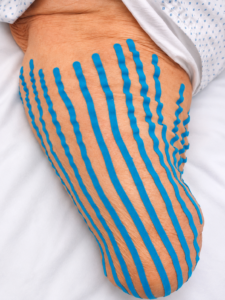 The NeuroMuscular Taping (NMT) Professional Nursing Rehabilitation – Stage 3 Course is an intensive two-day advanced training program designed for nursing professionals seeking to develop specialized skills in elastic decompressive taping and its integration into postoperative patient care. Developed by the NeuroMuscular Taping Institute in Italy, the program introduces a structured clinical methodology combining post-surgical anatomy, lymphatic and vascular rehabilitation, pain assessment, tissue decompression, scar management, and evidence-informed clinical reasoning.
Particular emphasis is placed on integrating NMT with established nursing interventions following orthopaedic, abdominal, thoracic, breast, vascular, and other surgical procedures. Surgical interventions may produce changes in tissue mobility, local inflammatory responses, lymphatic drainage, cutaneous sensitivity, and functional movement. These changes can contribute to postoperative oedema, discomfort, scar restrictions, and difficulties during rehabilitation.
The NMT decompressive methodology uses elastic adhesive tape applied with zero tension while the skin and underlying body region are positioned in functional elongation. When the body returns to its resting position, characteristic skin convolutions develop beneath the tape, creating a movement-responsive mechanical interaction intended to influence superficial tissue mobility and cutaneous sensory stimulation. The principal objective is to provide nurses with advanced practical skills for integrating NMT into postoperative care plans, complementing the management of selected presentations involving swelling, pain, tissue sensitivity, scar restrictions, and functional limitations. Participants learn to select appropriate applications according to the type of surgery, anatomical structures involved, wound-healing status, postoperative complications, and individual rehabilitation objectives. The course emphasizes patient safety, multidisciplinary collaboration, treatment sequencing, and the appropriate timing of NMT applications throughout postoperative recovery.
Who Should Attend?
This advanced course is designed for nursing professionals involved in surgical care, postoperative rehabilitation, and recovery from medical procedures, including:
- Registered nurses working in surgical wards and postoperative care
- Orthopaedic and trauma nursing specialists
- Oncology and breast surgery nurses
- Rehabilitation and neurological nursing professionals
- Vascular and lymphatic care nurses
- Thoracic and abdominal surgery nurses
- Community and home healthcare nurses involved in postoperative follow-up
- Nurses working in wound care and tissue rehabilitation
- Appropriately qualified final-year nursing students
Completion of NMT Nursing Rehabilitation – Stages 1 and 2 is recommended, particularly for professionals seeking to complete the full international nursing certification pathway. Participants should have an appropriate foundation in surgical anatomy, wound assessment, postoperative nursing care, and patient rehabilitation. All applications must remain within the nurse’s professional scope of practice, institutional protocols, and applicable national regulations.
Educational Objectives
The course develops the anatomical knowledge, clinical reasoning, and practical application skills required to integrate decompressive NMT techniques into postoperative nursing rehabilitation. Participants learn to understand the relationships between surgical trauma, inflammatory responses, lymphatic drainage, tissue healing, pain, scar formation, and functional recovery. Particular emphasis is placed on the integration of NMT with postoperative nursing interventions aimed at supporting tissue mobility, managing selected oedematous presentations, improving patient comfort, and complementing functional rehabilitation.
Through supervised practical training, participants learn to assess postoperative tissue conditions, identify appropriate anatomical drainage pathways, select NMT applications, and develop individualized treatment protocols. The program distinguishes between acute, post-acute, and functional rehabilitation phases, with particular attention to surgical precautions and wound-healing requirements.
By the end of Stage 3, participants should be able to:
- Understand the principles of NMT decompressive applications in postoperative nursing care.
- Recognize the anatomical and physiological changes associated with common surgical procedures.
- Identify appropriate lymphatic drainage pathways following surgical intervention.
- Perform selected NMT applications for postoperative oedema and soft tissue congestion.
- Integrate NMT into non-pharmacological pain management strategies where clinically appropriate.
- Assess scar mobility, tissue sensitivity, and postoperative movement restrictions.
- Recognize contraindications, postoperative complications, and situations requiring medical assessment.
- Develop individualized NMT treatment protocols across acute, post-acute, and functional recovery phases.
- Integrate NMT with established nursing interventions and multidisciplinary rehabilitation programs.
- Monitor patient responses and document treatment outcomes using appropriate clinical assessment tools.
Key Skills and Topics Covered
The course combines surgical anatomy, lymphatic rehabilitation, pain assessment, clinical reasoning, and intensive practical NMT training.
- 16 hours over 2 days, combining theoretical instruction, demonstrations, supervised practice, and clinical case discussions.
- NMT elastic decompression methodology, including zero-tension applications and their adaptation to postoperative tissue conditions.
- Post-surgical anatomy and wound healing, including inflammatory responses, tissue repair, scar formation, and changes in lymphatic drainage.
- Postoperative lymphatic rehabilitation, including regional drainage applications for the upper and lower extremities, trunk, and surgical regions.
- Oedema management, including selected postoperative presentations involving swelling and lymphatic congestion.
- Postoperative pain assessment, including nociceptive, neuropathic, and movement-related pain presentations.
- Scar and fascial rehabilitation, including tissue mobility, adhesions, and postoperative sensitivity.
- Orthopaedic surgery rehabilitation, including selected applications following knee, hip, shoulder, and other musculoskeletal procedures.
- Abdominal and thoracic surgery rehabilitation, including tissue mobility, scar management, and selected postoperative discomfort presentations.
- Breast surgery and oncology rehabilitation, including selected applications following breast and axillary procedures.
- Vascular and lymphatic considerations, including postoperative drainage pathways, skin integrity, and vascular precautions.
- Clinical reasoning and treatment sequencing, adapted to acute, post-acute, and functional recovery phases.
- Integration with established nursing care, including wound management, patient positioning, pain assessment, and rehabilitation activities.
- Contraindications and patient safety, including infection, suspected thrombosis, wound complications, skin fragility, and appropriate medical referral.
- Supervised practical training, with instructor feedback, clinical case studies, and evidence-informed decision-making.
- Post-course mentoring, including a two-hour online feedback session approximately two months after training.
- Ongoing instructor support through a dedicated course WhatsApp group for up to two years.
Integrating NMT with Post-Surgical Nursing Rehabilitation
A Complementary Approach to Postoperative Recovery
NeuroMuscular Taping provides nursing professionals with an additional non-invasive technique that may be incorporated into established postoperative care plans. Postoperative rehabilitation frequently involves the management of swelling, discomfort, tissue sensitivity, reduced mobility, and progressive functional recovery. NMT introduces a prolonged, movement-responsive cutaneous stimulus through elastic tape applied to selected anatomical regions. The course explores how this approach may complement nursing care, medical pain management, compression therapy, lymphatic rehabilitation, physiotherapy, and therapeutic exercise. NMT is an adjunctive intervention and does not replace established postoperative treatment, wound care, compression where indicated, or medical management of complications.
Postoperative Lymphatic Drainage and Oedema Management
Surgical procedures may temporarily or permanently alter local lymphatic drainage pathways, contributing to swelling and tissue congestion. Participants learn to assess postoperative oedema, identify appropriate anatomical drainage regions, and select NMT applications according to surgical history and tissue condition. The course introduces regional drainage techniques, including double-fan and double-joint applications, with emphasis on proximal and distal drainage relationships. Clinical reasoning considers surgical incisions, lymph node procedures, wound healing, and the importance of avoiding inappropriate application over vulnerable tissues.
Non-Pharmacological Postoperative Pain Management
Pain following surgery may involve inflammatory, muscular, neuropathic, and movement-related mechanisms. Participants learn to consider NMT as an adjunctive intervention for selected presentations involving superficial tissue sensitivity, muscular discomfort, and movement-related pain.Clinical reasoning addresses pain intensity, location, duration, tissue condition, and the patient’s functional limitations. NMT applications are integrated with established nursing pain-management strategies, including appropriate positioning, mobilization, patient education, and prescribed analgesic treatment.
Scar Rehabilitation and Tissue Mobility
Scar formation is a normal component of tissue healing, although some postoperative scars may be associated with restricted mobility, altered sensitivity, or discomfort. Following adequate wound healing and appropriate medical clearance, NMT applications may complement scar mobilization and tissue rehabilitation. Participants learn to assess scar location, tissue mobility, sensitivity, and the relationship between scar restrictions and functional movement. Applications are selected according to the maturity of the scar, skin integrity, and clinical objectives.
Orthopaedic Surgery Rehabilitation
Orthopaedic procedures frequently involve postoperative swelling, muscular discomfort, joint stiffness, and temporary limitations in movement. The course introduces selected NMT applications following knee, hip, shoulder, and other musculoskeletal procedures. Participants explore the integration of decompressive taping with established nursing care, physiotherapy, mobilization, and progressive functional rehabilitation.
Abdominal and Thoracic Surgery Rehabilitation
Abdominal and thoracic surgery may influence trunk mobility, respiratory movement, scar sensitivity, and functional recovery. Participants learn selected NMT applications for appropriate abdominal, thoracic, and lumbar regions following surgical healing. Clinical reasoning focuses on tissue mobility, patient comfort, respiratory movement, and the importance of respecting surgical precautions.
Breast Surgery and Oncology Rehabilitation
Breast and axillary surgery may alter lymphatic drainage, shoulder movement, scar mobility, and tissue sensitivity. The course introduces selected NMT applications for postoperative chest wall and upper-limb rehabilitation. Clinical examples include mastectomy, lumpectomy, axillary procedures, and breast reconstruction, with emphasis on appropriate assessment and multidisciplinary oncology care.
Postoperative Complications and Clinical Safety
Not all postoperative swelling, pain, or tissue changes are appropriate for decompressive taping. Participants learn to Recognize warning signs associated with infection, suspected deep vein thrombosis, haematoma, seroma, wound dehiscence, impaired circulation, and other postoperative complications. These conditions require appropriate medical assessment and management before NMT is considered. The course emphasizes that NMT should never delay diagnosis, treatment, or referral for postoperative complications.
Course Structure and Practical Training
The program is organized into two full days of classroom-based training, combining theoretical presentations, practical demonstrations, supervised application exercises, and postoperative nursing clinical case discussions.
Day 1 – Postoperative Lymphatic Rehabilitation, Oedema and Pain Management
Surgical Anatomy, Lymphatic Drainage, Postoperative Assessment and Clinical Reasoning
The first day introduces the principles of NMT in postoperative rehabilitation, focusing on surgical tissue changes, lymphatic drainage, oedema management, and selected pain-related applications.
Session 1 – NMT Methodology and Post-Surgical Clinical Assessment
Participants review the principles of elastic decompression and their application to postoperative tissue conditions. The session introduces surgical wound healing, inflammatory responses, lymphatic and vascular changes, scar formation, and postoperative pain mechanisms. Clinical discussions address patient assessment, surgical precautions, contraindications, application timing, and treatment objectives.
Particular emphasis is placed on differentiating normal postoperative healing from complications requiring medical evaluation.
Session 2 – Upper-Extremity and Thoracic Postoperative Lymphatic Drainage
Practical training introduces NMT lymphatic applications for the hand, forearm, elbow, shoulder, axillary region, and upper thorax. Participants review anatomical drainage pathways and selected applications following upper-limb and breast surgery. Practical techniques include regional drainage, double-fan applications, and selected complete upper-limb drainage protocols. Clinical reasoning focuses on appropriate application selection according to surgical history and altered lymphatic anatomy.
Session 3 – Lower-Extremity Postoperative Lymphatic Rehabilitation
Participants develop applications for the foot, ankle, lower leg, knee, thigh, and inguinal region. Practical training includes regional drainage techniques and double-joint applications for selected postoperative presentations. Clinical examples include recovery following knee and hip surgery, lower-limb trauma, and selected orthopaedic procedures. Particular emphasis is placed on wound condition, vascular precautions, and integration with established postoperative rehabilitation.
Session 4 – Postoperative Pain and Soft Tissue Rehabilitation
The final session of Day 1 introduces selected NMT applications for postoperative muscular discomfort, tissue sensitivity, and movement-related pain. Participants explore the relationship between surgical tissue changes, cutaneous sensory stimulation, muscular movement, and patient comfort. Practical applications address selected shoulder, lumbar, knee, and ankle presentations. The day concludes with supervised practice, clinical case discussions, individual feedback, and questions.
Day 2 – Scar Rehabilitation, Specialized Surgical Applications and Functional Recovery
Orthopaedic, Abdominal, Thoracic and Breast Surgery Rehabilitation
The second day develops advanced NMT applications for scar mobility, tissue restrictions, selected surgical conditions, and progressive functional rehabilitation.
Session 5 – Scar Assessment and Postoperative Tissue Mobility
Participants review scar formation, tissue healing, superficial fascial mobility, and postoperative sensitivity. Practical training introduces selected decompressive applications for healed surgical scars. Clinical examples include abdominal, thoracic, shoulder, knee, and other postoperative scars. The session emphasizes appropriate timing, skin integrity, application tolerance, and clinical monitoring.
Session 6 – Orthopaedic Surgery and Functional Rehabilitation
Participants develop selected NMT applications for postoperative knee, hip, shoulder, and ankle rehabilitation. Practical demonstrations address regional swelling, muscular discomfort, tissue mobility, and functional movement limitations. Clinical reasoning considers the surgical procedure, stage of recovery, joint movement, and integration with physiotherapy and nursing mobilization.
Session 7 – Abdominal, Thoracic and Breast Surgery Applications
This session introduces specialized NMT applications for selected abdominal, thoracic, and breast surgery rehabilitation presentations. Participants explore postoperative lymphatic drainage, scar mobility, tissue sensitivity, and movement-related discomfort. Clinical discussions address breast and axillary surgery, abdominal incisions, thoracic procedures, and the importance of adapting applications to surgical anatomy. Special attention is given to oncology patients, radiotherapy-related skin changes, and postoperative precautions.
Session 8 – Advanced Nursing Protocols, Clinical Integration and Final Assessment
The final session focuses on developing individualized NMT postoperative nursing care protocols. Participants review treatment sequencing, anatomical priorities, application selection, patient monitoring, and documentation of clinical outcomes. Clinical case discussions include patients recovering from orthopaedic, abdominal, thoracic, and breast surgery. The session explores the integration of NMT with established postoperative care, pain management, wound assessment, mobilization, and multidisciplinary rehabilitation. Participants review relevant scientific research and the limitations of available evidence. The session concludes with theoretical and practical assessment.
Developing Individualized Post-Surgical NMT Nursing Protocols
A central component of Stage 3 is the development of NMT-specific clinical reasoning and treatment sequencing according to the surgical procedure, tissue condition, lymphatic status, pain presentation, and rehabilitation objectives. Participants learn to identify appropriate anatomical regions, determine application priorities, and integrate decompressive taping into established postoperative nursing care.
Treatment planning considers three principal rehabilitation phases.
- Acute Phase: Nursing priorities include surgical safety, wound assessment, pain monitoring, tissue protection, and appropriate management of postoperative swelling. NMT is considered only when the surgical team has confirmed that application is appropriate, the skin is intact, and contraindications have been excluded. Applications must not interfere with incisions, dressings, drains, or medical devices.
- Post-Acute Phase: Treatment focuses on progressive oedema management, tissue mobility, scar rehabilitation after adequate healing, muscular comfort, and integration with appropriate mobilization and rehabilitation activities.
- Functional Phase: Applications are selected to complement recovery of joint movement, postural control, muscular function, scar mobility, and participation in daily activities.
These phases provide a structured framework for clinical decision-making while allowing applications to be adapted to individual patient needs and surgical precautions.
Teaching Methodology
The NMT Institute adopts an intensive, practice-focused educational model consisting of approximately 80% practical training and 20% theoretical instruction. The course combines surgical anatomy presentations, step-by-step application videos, instructor demonstrations, supervised practical exercises, and postoperative nursing clinical case discussions. Participants work in pairs, alternating between practitioner and model roles, allowing each student to practise applications and receive individual feedback. The instructor provides continuous guidance on tape preparation, anatomical positioning, application direction, skin elongation, treatment sequencing, and clinical objectives. Clinical cases may be presented by instructors or participants, with discussion of surgical history, patient assessment, nursing care objectives, application selection, and anticipated functional outcomes. Scientific research and evidence-based practice are integrated throughout the program. Full attendance and active participation are compulsory. Appropriate privacy and consent procedures apply to models, clinical cases, and practical demonstrations.
Final Examination and International Certification
The course includes a structured theoretical and practical assessment designed to evaluate clinical understanding, anatomical knowledge, application accuracy, and postoperative nursing rehabilitation reasoning. The proposed examination includes:
- Theoretical assessment: 75 multiple-choice questions covering NMT methodology, surgical anatomy, lymphatic drainage, postoperative pain, scar rehabilitation, contraindications, and clinical reasoning.
- Practical assessment: Demonstration of eight selected NMT applications, evaluated for anatomical positioning, technical accuracy, clinical objectives, and patient safety.
- Clinical case assessment: Development of an individualized NMT nursing protocol for a selected postoperative presentation.
- Individual feedback: Written and practical results are reviewed, with comments provided by the teaching team.
- Certification standard: A proposed minimum overall score of 90%, with final classifications of Pass, Excellent, or Distinction.
Successful participants receive the NMT International Certification and Qualification Diploma in Professional Nursing Rehabilitation – Stage 3: Advanced Post-Surgical Lymphatic and Pain Rehabilitation. Certificates and professional membership cards are available digitally through the NMT Institute online platform. Certified practitioners are eligible for inclusion in the NMT International Practitioner Register, with the option to publish their professional details and clinical practice information. This certification Recognizes completion of the Stage 3 training program and does not independently expand the practitioner’s legally authorized scope of nursing practice.
Post-Course Mentoring and Professional Development
The NMT Institute Recognizes that advanced clinical competence develops through continued application, practical experience, and professional feedback. Following the classroom program, participants receive a two-hour online mentoring and feedback session, scheduled approximately two months after course completion. This session provides an opportunity to review postoperative NMT applications, discuss nursing clinical experiences, refine treatment protocols, and explore relevant scientific research. A dedicated WhatsApp group provides direct communication with the NMT teaching team for up to two years.
Completion of the Three-Stage NMT Professional Nursing Rehabilitation Pathway
The complete NMT Nursing Rehabilitation pathway consists of three progressive training stages:
- Stage 1 – General Lymphatic Rehabilitation and Pain Management: 2 Days – 16 Hours
Foundational NMT applications for lymphatic drainage, peripheral oedema, patient comfort, and selected pain-related presentations.
- Stage 2 – Mobility Rehabilitation for Elderly and Recovering Patients. 2 Days – 16 Hours
NMT applications for muscular function, proprioceptive stimulation, postural control, joint movement, and functional mobility.
- Stage 3 – Advanced Post-Surgical Lymphatic and Pain Rehabilitation. 2 Days – 16 Hours
Specialized applications for postoperative oedema, lymphatic congestion, scar mobility, tissue sensitivity, pain management, and functional recovery.
- Total Professional Training Pathway: 6 Days – 48 Hours, plus post-course mentoring.
Participants who successfully complete all three stages and their respective assessments may be eligible for the NMT International Advanced Certification in Professional Nursing Rehabilitation, subject to approval of the final certification framework.
Course Information
- Course Title: NMT Professional Nursing Rehabilitation – Stage 3: Advanced Post-Surgical Lymphatic and Pain Rehabilitation
- Course Code: NMT Nursing Stage 3 – Proposed designation, pending confirmation
- Course Duration: 2 days – 16 hours, including theoretical and practical assessment, plus a two-hour online follow-up session
- Training Format: Intensive classroom-based practical training
- Maximum Participants: 24
- Course Director: David Blow, Founder and Research Director, NeuroMuscular Taping Institute
- Teaching Team: Certified NMT instructors and tutors
- Target Professionals: Registered nurses, surgical ward nurses, orthopaedic nurses, oncology nurses, rehabilitation nurses, vascular and lymphatic care nurses, and eligible final-year nursing students
- Prerequisites: Appropriate professional training in anatomy and nursing care; completion of Stages 1 and 2 recommended
- Assessment: Written examination, practical assessment of eight applications, and clinical case evaluation
- Certification: NMT International Certification – Professional Nursing Rehabilitation, Stage 3
- Course Materials: NMT workbook, study resources, step-by-step application demonstrations, and practical training kit
- Continuing Education Credits: Subject to accreditation and recognition by the relevant national nursing or professional bodies
- Professional Support: Two-hour online mentoring session and instructor communication for up to two years
Advance Your Skills in Post-Surgical Nursing Rehabilitation
Develop specialized NeuroMuscular Taping skills for postoperative lymphatic rehabilitation, oedema management, pain relief, scar mobility, and functional recovery. Through intensive practical training, surgical anatomical understanding, and structured clinical reasoning, this course provides nursing professionals with additional skills to integrate decompressive taping into individualized postoperative patient care programs. The NeuroMuscular Taping Institute promotes international professional education, clinical research, and evidence-informed nursing rehabilitation, supporting the development of safe, non-invasive therapeutic approaches within multidisciplinary healthcare.
Complete your professional development pathway with NMT International Certification in Nursing Rehabilitation – Stage 3.
NeuroMuscular Taping (NMT) – Specialized Nursing Program Wound, Ulcer and Scar Treatment
NeuroMuscular Taping (NMT) – Professional Nursing Rehabilitation
Specialized Program – Wound, Ulcer and Scar Treatment
Integrating Elastic Decompression Methodology with Diabetic Foot Care, Pressure Injury Management, Chronic Wound Rehabilitation and Scar Treatment
International NMT Certification Program | 2 Days – 16 Hours
Course Overview
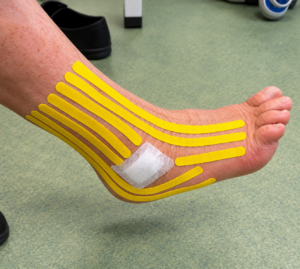 The NeuroMuscular Taping (NMT) Professional Nursing Rehabilitation – Wound, Ulcer and Scar Management Course is an intensive two-day specialized training program designed for nursing professionals seeking to develop practical skills in integrating elastic decompressive taping into wound care, ulcer management, and scar rehabilitation. Developed by the NeuroMuscular Taping Institute in Italy, the program introduces a structured methodology combining cutaneous anatomy, lymphatic and vascular physiology, wound assessment, tissue decompression, scar mobility, and evidence-informed clinical reasoning.
Particular emphasis is placed on integrating NMT with established nursing interventions for diabetic foot ulcers, pressure injuries, chronic wounds, traumatic tissue lesions, and healed surgical scars. Chronic wounds and ulcers frequently involve complex interactions between impaired tissue perfusion, altered inflammatory responses, pressure, reduced mobility, neuropathy, and underlying medical conditions. These factors may influence tissue repair, patient comfort, and functional recovery. The NMT decompressive methodology uses elastic adhesive tape applied with zero tension while the skin and underlying body region are positioned in functional elongation. When the body returns to its resting position, characteristic skin convolutions develop beneath the tape, creating a movement-responsive mechanical interaction intended to influence superficial tissue mobility and cutaneous sensory stimulation.
The principal objective is to provide nurses with additional clinical and practical skills for integrating NMT into comprehensive wound and scar management programs, while maintaining established wound-care principles, patient safety, and multidisciplinary collaboration. Participants learn to select appropriate applications according to wound classification, anatomical location, tissue condition, vascular and lymphatic status, stage of healing, and individual treatment objectives. NMT is presented as a complementary intervention and does not replace wound cleansing, appropriate dressings, pressure redistribution, offloading, compression when indicated, infection management, vascular assessment, or other established treatments.
Who Should Attend?
This course is designed for nurses involved in wound management, diabetic care, postoperative recovery, and rehabilitation, including:
- Registered nurses and wound-care specialists
- Diabetic foot and podiatric nursing professionals
- Tissue viability and pressure injury prevention nurses
- Geriatric and long-term care nurses
- Surgical and postoperative nursing professionals
- Community and home healthcare nurses
- Vascular and lymphatic care nurses
- Rehabilitation and neurological nursing professionals
- Oncology and palliative care nurses
- Eligible final-year nursing students
Prerequisite: Completion of NMT Professional Nursing Rehabilitation – Stage 1, or equivalent approved foundational NMT training, is required. Participants should have an appropriate foundation in wound assessment, anatomy, physiology, and nursing care. All applications must remain within the practitioner’s professional scope, institutional wound-care protocols, and applicable national regulations.
Educational Objectives
The course develops the anatomical knowledge, clinical reasoning, and practical application skills required to integrate decompressive NMT techniques into nursing wound and scar management. Participants learn to understand the relationships between skin integrity, tissue perfusion, lymphatic drainage, wound healing, pressure-related tissue damage, and scar formation. Particular emphasis is placed on the clinical differentiation of diabetic ulcers, pressure injuries, traumatic wounds, and healed scars, allowing participants to select appropriate adjunctive applications while recognizing conditions requiring specialist assessment. Through supervised practical training, participants learn to evaluate tissue condition, identify anatomical drainage pathways, select NMT techniques, and develop individualized treatment protocols.
By the end of the course, participants should be able to:
- Understand NMT elastic decompression principles and zero-tension applications in wound and scar rehabilitation.
- Recognize the anatomical relationships between skin, superficial fascia, lymphatic drainage, and peripheral circulation.
- Differentiate common wound presentations and identify their implications for treatment planning.
- Select appropriate NMT applications around diabetic foot ulcers and selected lower-extremity wounds.
- Develop decompressive applications for anatomical regions vulnerable to pressure injuries.
- Recognize the importance of pressure redistribution, offloading, vascular assessment, and infection management.
- Assess healed scars for mobility restrictions, tissue sensitivity, and functional limitations.
- Perform selected NMT scar applications for the abdomen, knee, thigh, shoulder, and axillary region.
- Understand acute, post-acute, and functional rehabilitation objectives.
- Identify contraindications, warning signs, and circumstances requiring medical referral.
- Monitor patient responses and document clinical outcomes using appropriate nursing assessment methods.
Key Skills and Topics Covered
The course combines wound physiology, lymphatic and vascular anatomy, clinical reasoning, and intensive practical NMT training.
- 16 hours over 2 days, combining theoretical instruction, demonstrations, supervised practice, and clinical case discussions.
- NMT elastic decompression methodology, including zero-tension applications, skin elasticity, and differences between decompressive and compressive techniques.
- Cutaneous and vascular anatomy, including superficial circulation, lymphatic pathways, and tissue characteristics relevant to wound healing.
- Diabetic foot ulcer rehabilitation, including selected applications for the toes, dorsal foot, plantar foot, ankle, and tibial region.
- Pressure injury management, including anatomical considerations for the sacrum, spine, buttocks, hips, knees, heels, elbows, shoulders, ears, and head.
- Chronic wound rehabilitation, including assessment of wound classification, tissue condition, and vascular or lymphatic involvement.
- Scar rehabilitation, including healed surgical and traumatic scars, tissue mobility, and adhesions.
- Lymphatic and vascular considerations, including regional drainage pathways and selected presentations involving tissue congestion.
- Postural and respiratory applications, including lumbar and diaphragmatic NMT techniques from the original diabetic wound curriculum.
- Clinical reasoning and treatment sequencing, adapted to acute, post-acute, and functional recovery phases.
- Integration with established wound care, including dressings, offloading, pressure redistribution, compression where indicated, and multidisciplinary treatment.
- Patient safety and contraindications, including infection, critical ischemia, suspected thrombosis, skin fragility, and adhesive-related complications.
- Supervised practical training, including individual corrections, case studies, and evidence-informed application selection.
- Post-course professional development, including opportunities for case review, clinical mentoring, and further NMT training.
Integrating NMT with Nursing Wound and Ulcer Management
A Complementary Approach to Wound Care
NeuroMuscular Taping provides nursing professionals with an additional non-invasive technique that may be considered within comprehensive wound-management programs. The course explores the potential role of elastic decompression in influencing superficial tissue mobility, cutaneous sensory responses, and mechanical interactions in the tissues surrounding selected wounds. These proposed mechanisms are examined in relation to current scientific knowledge, while recognizing that clinical evidence for improved wound healing through NMT remains limited. The objective is to integrate appropriate NMT applications with established wound-care interventions rather than substitute for them.
Diabetic Foot Ulcer Rehabilitation
Diabetic foot ulcers are complex conditions frequently associated with peripheral neuropathy, impaired tissue perfusion, altered pressure distribution, and delayed wound healing. Participants learn to assess anatomical relationships involving the toes, plantar and dorsal foot, ankle, and lower leg. The course introduces selected NMT decompressive applications around appropriate anatomical regions, with particular attention to fragile skin, sensory impairment, and vascular complications. Clinical reasoning addresses the importance of diabetic foot assessment, pressure offloading, infection monitoring, and specialist referral. NMT applications must not be placed directly over an open ulcer or used in a manner that increases pressure, friction, skin trauma, or delays established diabetic foot treatment.
Pressure Injury Prevention and Management
Pressure injuries may develop in patients experiencing prolonged immobility, reduced sensation, impaired circulation, or difficulty changing position. Participants learn to Recognize anatomical regions particularly vulnerable to pressure-related tissue damage, including the sacrum, hips, buttocks, heels, elbows, shoulders, and head. The course introduces selected NMT applications to surrounding intact skin, where appropriate, while emphasizing that pressure redistribution and regular repositioning remain fundamental components of prevention and treatment. NMT must never replace pressure-relieving equipment, appropriate support surfaces, nutritional management, or specialist wound care.
Chronic Wounds and Vascular-Lymphatic Considerations
Chronic wounds may involve venous disease, arterial insufficiency, diabetes, pressure injury, or other underlying conditions. Participants review the importance of identifying wound aetiology and recognizing differences between venous, arterial, neuropathic, and pressure-related lesions. The course examines anatomical lymphatic and vascular relationships and introduces the clinical reasoning required before considering NMT applications. Where compression is indicated, NMT is not a substitute for compression therapy. Patients with suspected arterial insufficiency, infection, or other significant complications require appropriate assessment and management before adjunctive taping is considered.
Scar Rehabilitation and Tissue Mobility
Following wound closure and adequate tissue healing, some scars may be associated with altered mobility, tissue sensitivity, or restrictions during movement. Participants learn to assess scar location, maturity, mobility, sensitivity, and functional relationships. The course introduces selected NMT applications for healed abdominal, knee, thigh, shoulder, and axillary scars. Clinical reasoning focuses on the relationship between superficial tissue movement, patient comfort, and rehabilitation objectives.
Post-Traumatic and Post-Surgical Wounds
Traumatic and surgical wounds may involve tissue disruption, inflammation, oedema, and progressive scar formation. Participants learn to distinguish between active wound management and later scar rehabilitation. NMT may be considered around appropriate intact tissue only after clinical assessment and when it does not interfere with wound closure, dressings, drainage devices, or established treatment.
Course Structure and Practical Training
The program is organized into two full days of classroom-based training, combining theoretical presentations, practical demonstrations, supervised application exercises, and nursing clinical case discussions.
Day 1 – Diabetic Foot Ulcers, Lower-Extremity Wounds and Decompressive Rehabilitation
NMT Principles, Wound Assessment, Diabetic Foot Applications and Vascular-Lymphatic Clinical Reasoning
The first day introduces the NeuroMuscular Taping methodology in wound management, focusing on diabetic foot presentations, lower-extremity anatomy, tissue condition, and selected decompressive applications.
Session 1 – NMT Methodology and Wound Assessment
Participants review the history and development of NeuroMuscular Taping and its potential application in nursing wound care. The session introduces the differences between decompressive and compressive applications, eccentric and concentric principles, and the anatomical significance of skin elasticity. Clinical discussions address cutaneous anatomy, lymphatic and vascular pathways, wound classification, tissue condition, contraindications, and treatment objectives. Particular emphasis is placed on the characteristics of diabetic skin, neuropathy, impaired perfusion, and the importance of safe patient selection.
Session 2 – Diabetic Toes and Dorsal Foot Applications
Practical training introduces the NMT diabetic toes and dorsal foot protocols. Participants learn appropriate anatomical positioning, tape preparation, and zero-tension application techniques. Clinical reasoning addresses the relationships between local tissue condition, pressure distribution, skin sensitivity, and wound location. Applications are practiced on intact skin using consenting models, with particular attention to avoiding vulnerable or ulcerated areas.
Session 3 – Plantar Foot, Ankle and Tibial Applications
Participants develop selected NMT applications for the plantar foot, ankle, and tibial region. Practical demonstrations include:
- NMT Diabetic Plantar Foot Protocol
- NMT Diabetic Ankle Protocol
- NMT Diabetic Tibial Protocol
The session explores appropriate application selection according to anatomical region, tissue condition, and clinical objectives. Participants review precautions relating to peripheral neuropathy, fragile skin, vascular insufficiency, and pressure-related complications.
Session 4 – Postural, Lumbar and Diaphragmatic Applications
The final session of Day 1 introduces the lumbar and functional diaphragmatic NMT protocols included in the original diabetic wound curriculum. Participants review the anatomical and functional relationships between posture, respiratory movement, and general rehabilitation. Practical training includes:
- NMT Diabetic Lumbar Protocol
- NMT Functional Diaphragm Protocol
These applications are presented as complementary components of the original NMT treatment framework, not as established treatments for diabetic ulcer healing. The day concludes with supervised practice, clinical case discussions, individual feedback, and questions.
Day 2 – Pressure Injuries, Chronic Wounds and Scar Rehabilitation
Pressure-Related Tissue Damage, Anatomical Decompression, Scar Mobility and Clinical Protocol Development
The second day develops NMT applications for anatomical regions vulnerable to pressure injuries and introduces specialized techniques for healed scars and selected chronic wound presentations.
Session 5 – Pressure Injuries of the Spine, Sacrum, Hip and Buttocks
Participants review the clinical characteristics of pressure injuries and the relationship between immobility, sustained pressure, shear, tissue perfusion, and skin integrity. Practical training introduces selected NMT applications for intact surrounding tissues in the spinal, sacral, hip, and buttock regions. Applications include:
- NMT Pressure Injury Spine and Sacral Protocol
- NMT Pressure Injury Hip and Buttocks Protocol
Clinical reasoning emphasizes appropriate positioning, pressure redistribution, and avoidance of applications that could increase pressure or shear.
Session 6 – Upper- and Lower-Extremity Pressure Injury Applications
Participants develop selected NMT applications for anatomical regions frequently affected by pressure-related tissue damage. Practical demonstrations include:
- NMT Pressure Injury Knee, Heel and Foot Protocol
- NMT Pressure Injury Elbow and Shoulder Protocol
- NMT Pressure Injury Ear and Head Protocol
The session explores clinical assessment, skin fragility, patient positioning, and treatment monitoring. Applications are restricted to appropriate intact skin and must not interfere with pressure-relieving devices or established wound-care interventions.
Session 7 – Scar Rehabilitation and Tissue Mobility
This session introduces NMT applications for healed surgical and traumatic scars. Participants review scar maturation, tissue mobility, superficial adhesions, and sensory changes. Practical training includes:
- NMT Abdominal Scar Protocol
- NMT Knee and Thigh Scar Protocol
- NMT Shoulder and Axillary Scar Protocol
Clinical reasoning addresses application timing, scar sensitivity, tissue condition, and functional objectives.
Session 8 – Clinical Integration, Wound Protocols and Final Assessment
The final session focuses on developing individualized NMT nursing care protocols for selected wound, ulcer, and scar presentations. Participants review treatment sequencing, anatomical priorities, application selection, patient monitoring, and documentation of clinical responses. Clinical case discussions include diabetic foot ulcers, pressure injuries, chronic wounds, postoperative scars, and traumatic tissue lesions. The session explores the integration of NMT with established wound assessment, pressure redistribution, appropriate dressings, offloading, vascular management, and multidisciplinary care. Participants review current scientific research and the limitations of available evidence. The session concludes with theoretical and practical assessment.
Developing Individualized NMT Wound and Scar Protocols
A central component of the course is the development of NMT-specific clinical reasoning and treatment sequencing according to wound aetiology, anatomical location, tissue condition, vascular and lymphatic status, and rehabilitation objectives. Participants learn to identify appropriate anatomical regions, determine application priorities, and integrate decompressive taping into established nursing wound-care protocols.
Treatment planning considers three principal phases.
- Acute Phase: Priorities include wound assessment, infection prevention and management, tissue protection, pressure relief, and treatment of the underlying cause. NMT is considered only when clinically appropriate and must not interfere with wound care, dressings, medical devices, or vulnerable skin.
- Post-Acute Phase: As the wound progresses towards closure and tissue stability, rehabilitation focuses on appropriate oedema management, movement, patient comfort, and monitoring of tissue condition. Selected NMT applications may be considered on suitable intact skin as adjuncts to established care.
- Functional and Scar Rehabilitation Phase: Following complete wound closure and adequate tissue healing, applications may be selected to complement scar mobility, tissue sensitivity management, movement rehabilitation, and functional recovery.
These phases provide a structured framework for clinical decision-making while allowing treatment to be adapted to individual patient needs.
Teaching Methodology
The NMT Institute adopts an intensive, practice-focused educational model consisting of approximately 80% practical training and 20% theoretical instruction. The course combines anatomical presentations, wound and vascular physiology, step-by-step application demonstrations, supervised practical exercises, and nursing clinical case discussions. Participants work in pairs, alternating between practitioner and model roles, allowing each student to practice NMT applications and receive individual feedback. The instructor provides continuous guidance on tape preparation, anatomical positioning, application direction, skin elongation, clinical objectives, and treatment sequencing. Practical exercises are performed on intact skin. Clinical wound cases are reviewed through appropriate educational materials, photographs, case presentations, or supervised clinical demonstrations when suitable. Scientific research and evidence-based practice are integrated throughout the program. Full attendance and active participation are compulsory. Appropriate privacy and consent procedures apply to models, clinical cases, photographs, and practical demonstrations.
Final Examination and International Certification
The course includes a structured theoretical and practical assessment designed to evaluate clinical understanding, anatomical knowledge, application accuracy, and wound-care reasoning. The examination includes:
- Theoretical assessment: 50 multiple-choice questions covering NMT methodology, wound assessment, diabetic foot care, pressure injuries, vascular and lymphatic anatomy, scar rehabilitation, contraindications, and clinical reasoning.
- Practical assessment: Demonstration of selected NMT applications, evaluated for anatomical positioning, technical accuracy, clinical objectives, and patient safety.
- Clinical reasoning: Discussion of appropriate application selection and contraindications for selected wound, ulcer, and scar presentations.
- Individual feedback: Written and practical results are reviewed, with comments provided by the teaching team.
- Certification standard: A minimum overall score of 85% is required, with final classifications of Pass, Excellent, or Distinction.
Successful participants receive the NMT International Certification and Qualification Diploma in Professional Nursing Rehabilitation – Wound, Ulcer and Scar Management. Certificates and professional membership cards are provided according to the NMT Institute’s current certification procedures. This certification Recognizes completion of specialized NMT training and does not independently authorize wound-care procedures or expand the nurse’s legally Recognized scope of practice.
Post-Course Mentoring and Professional Development
The NMT Institute Recognizes that clinical competence develops through continued practical experience, case evaluation, and professional feedback. Participants are encouraged to review clinical cases, monitor treatment responses, and develop their application skills through supervised clinical practice and ongoing professional education. Advanced tutorials and additional practical laboratory sessions may be organized to support further skill development. Where appropriate, clinical internships may be required for advanced diabetic foot and wound rehabilitation training.
Participants may also continue their education through the NMT Professional Nursing Rehabilitation pathway:
- Stage 1 – General Lymphatic Rehabilitation and Pain Management. 2 Days – 16 Hours
- Stage 2 – Mobility Rehabilitation for Elderly and Recovering Patients. 2 Days – 16 Hours
- Stage 3 – Advanced Post-Surgical Lymphatic and Pain Rehabilitation. 2 Days – 16 Hours
- The Wound, Ulcer and Scar Management program is offered as a separate specialized module, complementing the three-stage nursing pathway.
Course Information
- Course Title: NMT Professional Nursing Rehabilitation – Wound, Ulcer and Scar Management
- Course Code: NMTC-P.NS2
- Course Duration: 2 days – 16 hours
- Training Format: Intensive classroom-based practical training
- Maximum Participants: 24
- Course Director: David Blow, Founder and Research Director, NeuroMuscular Taping Institute
- Teaching Team: Certified NMT instructors and tutors
- Target Professionals: Registered nurses, wound-care nurses, diabetic foot nurses, tissue viability specialists, rehabilitation nurses, surgical nurses, community nurses, and eligible final-year nursing students
- Prerequisites: NMT Nursing Rehabilitation Stage 1 or equivalent approved foundational NMT training
- Assessment: 50-question written examination and practical assessment
- Certification Standard: Minimum overall score of 85%
- Certification: NMT International Certification – Professional Nursing Rehabilitation: Wound, Ulcer and Scar Management
- Course Materials: NMT workbook, study resources, practical training kit, tape, scissors, dermo-marker, and application demonstrations
- Continuing Education Credits: Subject to accreditation and recognition by the relevant national nursing or professional bodies
- Professional Development: Advanced practical tutorials and clinical case review opportunities where available
Advance Your Skills in Wound, Ulcer and Scar Rehabilitation
Develop specialized NeuroMuscular Taping skills for diabetic foot care, pressure injury management, chronic wound rehabilitation, and postoperative scar treatment. Through intensive practical training, anatomical understanding, and structured clinical reasoning, this course provides nursing professionals with additional skills to integrate decompressive taping into individualized wound and scar rehabilitation programs. The NeuroMuscular Taping Institute promotes international professional education, clinical research, and evidence-informed nursing practice, supporting the responsible development of non-invasive adjunctive rehabilitation methodologies.
Expand your professional expertise with NMT International Certification in Wound, Ulcer and Scar Management.