NeuroMuscular Taping (NMT) Course Schedule –Midwifery, Pregnancy and Postpartum Rehabilitation Training Programs
Choose Your NMT Training Pathway
Our professional education programs are organised into three training categories:
- Foundation Courses: Introductory programs providing the essential theoretical knowledge, clinical reasoning, and practical application skills required to integrate NMT into specific professional and rehabilitation settings.
- Advanced Professional Courses: Specialised training programs designed to deepen clinical knowledge and develop advanced treatment protocols. These courses generally require completion of the relevant foundation program.
- Specialised Thematic Courses: Focused training programs addressing specific clinical conditions, rehabilitation objectives, or professional applications. Unless otherwise indicated, no previous NMT certification is required.
NeuroMuscular Taping (NMT) – Midwifery, Pregnancy and Postpartum Rehabilitation Training Programs
NeuroMuscular Taping (NMT) – Professional Midwifery Rehabilitation Training
Pregnancy, Childbirth Preparation, Postpartum Recovery and Mother–Infant Care
Elastic Decompression Methodology for Maternal Musculoskeletal Rehabilitation, Lymphatic Support, Functional Mobility, Breastfeeding-Related Care and Postpartum Recovery
International NMT Professional Training and Certification | 4 Days – 32 Hours
Course Overview
 The NeuroMuscular Taping (NMT) Professional Midwifery, Pregnancy, Childbirth and Postpartum Rehabilitation Program is a four-day educational course designed for healthcare professionals involved in maternal care, obstetric rehabilitation and postpartum recovery. The program introduces the integration of elastic decompressive taping applied with zero tension (0%) into pregnancy-related musculoskeletal rehabilitation, lymphatic support, childbirth preparation and postpartum functional recovery. Pregnancy and childbirth involve significant physiological, hormonal and biomechanical adaptations affecting posture, spinal mobility, pelvic function, circulation and muscular coordination. These changes may contribute to lumbar discomfort, pelvic girdle pain, peripheral oedema, muscular fatigue and movement limitations.
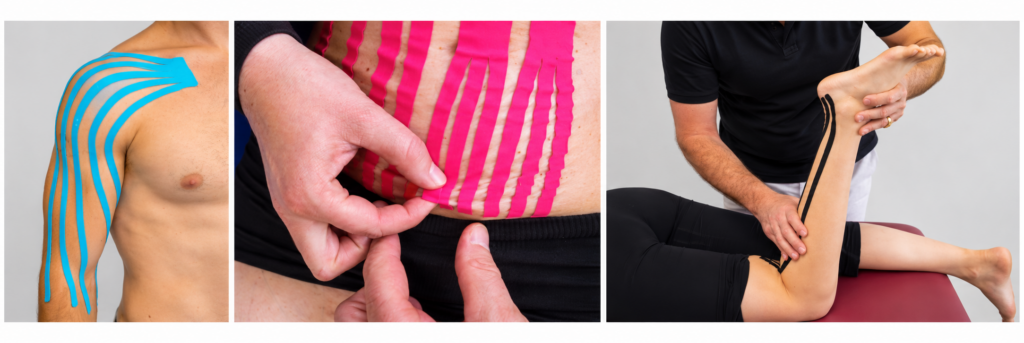
Following childbirth, additional rehabilitation needs may arise from abdominal wall changes, caesarean surgery, breastfeeding-related postural strain and pelvic floor dysfunction. The NMT methodology involves applying elastic adhesive tape without tension while the skin and underlying body region are positioned in functional elongation. When the body returns to its neutral position, characteristic skin convolutions develop beneath the tape, providing cutaneous mechanical stimulation that may complement established rehabilitation strategies. The course combines functional anatomy, clinical reasoning, practical application techniques and supervised rehabilitation exercises. Particular attention is given to maternal comfort, gestational stage, tissue sensitivity and the integration of NMT into multidisciplinary obstetric and postpartum care. NMT is presented as a complementary rehabilitation methodology and does not replace obstetric assessment, medical treatment, specialist pelvic floor rehabilitation or established maternal healthcare.
Educational Objectives
The program develops the anatomical knowledge, clinical reasoning and practical skills necessary to integrate NMT into maternal rehabilitation. Participants will learn to:
- Understand NMT zero-tension decompressive methodology and maximum lines of skin elasticity (MEL).
- Review physiological, muscular, vascular and postural adaptations during pregnancy.
- Develop applications for lumbar, sacral, pelvic and pregnancy-related musculoskeletal discomfort.
- Integrate selected lymphatic applications into upper- and lower-extremity rehabilitation.
- Examine breathing, thoracic mobility and pelvic coordination during childbirth preparation.
- Adapt NMT applications to maternal positioning and comfort during labour when clinically appropriate.
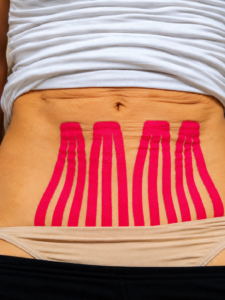
- Develop postpartum rehabilitation applications for lumbar, pelvic and abdominal muscular regions.
- Examine breastfeeding-related postural discomfort and maternal functional recovery.
- Apply selected techniques to healed caesarean scars and postpartum abdominal wall rehabilitation.
- Recognise obstetric contraindications, clinical precautions and appropriate referral requirements.
The program emphasises maternal safety, anatomical precision, individualised rehabilitation and multidisciplinary clinical care.
Course Structure and Practical Training
Stage 1 – Pregnancy-Related Musculoskeletal Rehabilitation, Postural Adaptation and Lymphatic Support
Day 1 – Pregnancy Rehabilitation
8 Hours – Clinical Foundations, Musculoskeletal Applications, Lymphatic Support and Postural Rehabilitation
Session 1 – NMT Foundations and Physiological Adaptations During Pregnancy
The opening session introduces NeuroMuscular Taping methodology and the physiological adaptations occurring throughout pregnancy. Participants review decompressive versus compressive taping, eccentric application principles, skin elasticity and cutaneous sensory stimulation. Functional anatomy includes changes in maternal posture, centre of gravity, lumbar and pelvic biomechanics, vascular circulation and lymphatic physiology.
Practical laboratory: Skin assessment, anatomical positioning, tape preparation, zero-tension applications and identification of maximum lines of skin elasticity. The session introduces clinical indications, contraindications and pregnancy-related warning signs requiring medical assessment.
Session 2 – Lumbar, Sacral and Pelvic Rehabilitation
This session examines pregnancy-related low back pain, sacroiliac discomfort, pelvic girdle pain, pubic symphysis-related symptoms and muscular fatigue. Participants review the functional relationships between the lumbar spine, pelvis, piriformis, iliopsoas, hip adductors and hamstring musculature.
Practical laboratory: NMT lumbar, sacral, piriformis, iliopsoas-region, hip adductor and hamstring applications. Applications are selected according to gestational stage, maternal comfort and functional rehabilitation objectives.
Session 3 – Upper- and Lower-Extremity Lymphatic Rehabilitation
Participants examine pregnancy-related fluid retention, lower-extremity swelling, foot and ankle oedema, hand swelling and selected carpal tunnel-related symptoms. The session reviews superficial lymphatic anatomy, vascular physiology and the importance of differentiating physiological swelling from conditions requiring medical investigation.
Practical laboratory: NMT lower-extremity lymphatic drainage, foot and ankle decompression, upper-extremity lymphatic applications and selected wrist and hand techniques. Particular attention is given to sudden or unilateral swelling and symptoms associated with venous thromboembolism or hypertensive disorders of pregnancy.
Session 4 – Thoracic Mobility, Breathing and Postural Rehabilitation
The final session focuses on cervical and thoracic mobility, respiratory movement and maternal postural adaptation. Participants examine the relationships between thoracic expansion, abdominal growth, diaphragmatic movement and muscular coordination.
Practical laboratory: NMT cervical, rhomboid, thoracic and selected diaphragmatic-region applications.
Applications are integrated with breathing awareness, postural exercises and comfortable maternal movement. The day concludes with clinical case discussions and supervised practical feedback.
Stage 2 – NeuroMuscular Taping for Childbirth Preparation and Birth Support
Day 2 – Pelvic Mobility, Maternal Positioning and Respiratory Coordination
8 Hours – Functional Anatomy, Practical Applications and Childbirth Preparation
Session 5 – Functional Anatomy and Biomechanics of Childbirth
The second day introduces the anatomical and biomechanical relationships involved in childbirth preparation. Participants review pelvic anatomy, sacroiliac and hip mobility, lumbar muscular coordination, pelvic floor function and the relationships between breathing and maternal positioning. The session examines the integration of NMT into established childbirth preparation programs, with particular attention to maternal comfort and obstetric precautions.
Session 6 – Pelvic and Hip Mobility Applications
This practical session examines selected muscular restrictions affecting pelvic and hip movement during late pregnancy.
Practical laboratory: NMT lumbar, sacral, piriformis, iliopsoas-region, hip adductor and selected external pelvic muscular applications. Applications are integrated with maternal positioning, gentle mobility exercises and functional childbirth preparation. Clinical reasoning emphasises individual preference, comfort and the avoidance of unnecessary movement restrictions.
Session 7 – Thoracic, Diaphragmatic and Breathing-Related Applications
Participants examine the relationships between respiratory mechanics, thoracic mobility, abdominal coordination and pelvic floor function.
Practical laboratory: NMT thoracic, rhomboid, cervical and selected respiratory movement-related applications. The session integrates breathing awareness, relaxation techniques, maternal positioning and movement coordination. NMT is presented as complementary to established childbirth education and breathing strategies, without claims of shortening labour or determining fetal positioning.
Session 8 – NMT Integration During Labour
The final session introduces clinical considerations for selected NMT applications during childbirth. Participants review lumbar and sacral discomfort, muscular fatigue, maternal positioning, breathing awareness and non-pharmacological comfort strategies.
Practical laboratory: Selected lumbar, sacral and postural applications that may be considered during labour when clinically appropriate. The session examines maternal consent, obstetric monitoring, application removal and situations requiring immediate discontinuation. NMT must not interfere with fetal monitoring, epidural procedures, surgical preparation or essential obstetric interventions. The day concludes with clinical case discussions and preparation for postpartum rehabilitation.
Stage 3 – Postpartum Recovery, Breastfeeding and Mother–Infant Care
Day 3 – Postpartum Musculoskeletal Recovery and Breastfeeding-Related Rehabilitation
8 Hours – Maternal Recovery, Functional Assessment and Practical Applications
Session 9 – Physiological Recovery Following Childbirth
The third day introduces postpartum anatomical, hormonal and functional adaptations following vaginal birth or caesarean delivery. Participants review muscular fatigue, abdominal wall changes, lumbar and pelvic discomfort, postural adaptation and progressive return to daily activities. Clinical reasoning focuses on individual rehabilitation planning according to birth history, tissue healing, symptoms and maternal health.
Session 10 – Postpartum Lumbar, Pelvic and Muscular Rehabilitation
This session examines common postpartum musculoskeletal difficulties, including low back pain, pelvic girdle discomfort, muscular fatigue and movement restrictions.
Practical laboratory: NMT lumbar, sacral, piriformis, hip adductor, abdominal, thoracic and cervical applications. Applications are integrated with progressive exercise, postural rehabilitation and functional activities such as lifting, carrying and infant care.
Session 11 – Breastfeeding-Related Maternal Rehabilitation
Participants examine breastfeeding posture, cervical and shoulder discomfort, thoracic muscular fatigue and maternal positioning during feeding.
Practical laboratory: NMT cervical, shoulder, upper thoracic and selected postural applications intended to complement maternal musculoskeletal rehabilitation. Clinical discussion includes breast sensitivity, engorgement, mastitis and lactation difficulties, emphasising appropriate assessment and referral. NMT is not presented as a treatment for mastitis, breast infection or insufficient milk production.
Session 12 – Mother–Infant Care and Feeding-Related Considerations
The final session introduces selected clinical issues associated with infant feeding and maternal–infant interaction. Topics include infant positioning, oral motor coordination, sucking and swallowing, feeding difficulties, reflux-related symptoms, colic and constipation. Participants examine the importance of multidisciplinary care involving midwives, paediatricians, lactation consultants and speech-language therapists. Any proposed infant application requires specialist training, appropriate clinical indication, parental consent and careful consideration of neonatal skin vulnerability. The day concludes with case discussions and practical review.
Day 4 – Postpartum Abdominal Rehabilitation, Pelvic Floor Function and Caesarean Scar Management
8 Hours – Advanced Practical Applications, Clinical Integration and Final Review
Session 13 – Caesarean Scar Assessment and Rehabilitation
The final training day introduces the assessment and rehabilitation of healed caesarean and abdominal scars. Participants review scar maturation, cutaneous elasticity, superficial tissue adherence, altered sensitivity and abdominal movement restrictions.
Practical laboratory: NMT caesarean scar protocols, abdominal scar applications and selected decompressive techniques for healed superficial tissue restrictions. The session emphasises appropriate application timing, wound closure, infection precautions and medical clearance where indicated.
Session 14 – Abdominal Wall Rehabilitation and Diastasis Recti
This session examines postpartum abdominal wall function, rectus abdominis anatomy, linea alba integrity and functional abdominal coordination. Participants review diastasis recti assessment, abdominal pressure management, breathing and progressive postpartum exercise.
Practical laboratory: NMT rectus abdominis, abdominal decompression and selected applications intended to complement abdominal movement awareness. NMT is presented as an adjunctive technique rather than an established method for correcting diastasis recti.
Session 15 – Pelvic Floor Rehabilitation and Postpartum Functional Recovery
Participants review pelvic floor anatomy, perineal recovery, urinary urgency, urinary incontinence and postpartum pelvic discomfort. The session examines relationships between breathing, abdominal coordination, pelvic mobility and functional movement.
Practical laboratory: Selected external NMT lumbar, abdominal and pelvic-associated muscular applications. Clinical discussions emphasise specialist pelvic floor assessment and evidence-based rehabilitation for persistent urinary, bowel or pelvic symptoms.
Session 16 – Clinical Integration and Rehabilitation Planning
The final session integrates the principal applications developed throughout the program. Clinical cases include pregnancy-related lumbar and pelvic pain, peripheral oedema, childbirth preparation, postpartum muscular recovery, breastfeeding-related postural discomfort, caesarean scars, diastasis recti and pelvic floor dysfunction. Participants develop individualised NMT application plans according to clinical presentation, rehabilitation objectives and patient safety. The session concludes with scientific literature discussion, practical review and preparation for the final certification examination.
Teaching Methodology and Practical Skill Development
The program combines theoretical instruction, functional anatomy, step-by-step application demonstrations, supervised practical laboratories and maternal rehabilitation case discussions. Participants work in pairs, alternating between practitioner and model roles. Each application is demonstrated by the instructor and repeated under supervision. Training emphasises anatomical accuracy, maternal positioning, zero-tension methodology, clinical reasoning and integration with established rehabilitation. Full attendance and active practical participation are mandatory. All demonstrations involving pregnant women, postpartum mothers or infants require appropriate informed consent and compliance with privacy and safeguarding requirements.
Final Examination and International Certification
The program includes a structured theoretical and practical assessment.
- Theoretical examination: 125 multiple-choice questions, written-answer assessment and clinical reasoning questions covering NMT methodology, maternal anatomy, application techniques and patient safety.
- Practical examination: Supervised demonstration of 10 selected NMT applications.
Applications are evaluated according to anatomical accuracy, maternal positioning, tape preparation, skin elongation, zero-tension methodology, application direction and clinical reasoning. The final assessment combines the theoretical examination, practical examination and instructor/tutor evaluation. A minimum overall score of 90% is required for successful completion. Results are classified as Pass, Excellent or Distinction. Successful participants receive the NMT International Certification – Professional Midwifery Rehabilitation: Pregnancy, Childbirth and Postpartum Care, together with an NMT qualification diploma and digital certification membership card. Eligible certified professionals may apply for inclusion in the international NMT professional register, subject to registration requirements and consent. Certification confirms successful completion of the educational program and does not extend the participant’s legal scope of professional practice.
Post-Course Clinical Follow-Up
2 Hours – Approximately One to Two Months After Course Completion
The program includes an online clinical feedback session designed to support the integration of NMT into maternal rehabilitation. Participants review clinical applications, discuss treatment planning, evaluate technical difficulties and receive instructor feedback. A dedicated course communication group may provide continued professional support for up to two years, according to the Institute’s organisational arrangements.
Educational Materials
Participants receive an NMT educational kit containing a backpack, skin-marking pencil, scissors, multicoloured elastic adhesive tape, course workbook, digital certification documentation and professional membership card. The workbook may be provided digitally or in printed format approximately seven days before training. Recommended Reading
- NeuroMuscular Taping: From Theory to Practice – Edi Ermes, Milan, 2012.
- NeuroMuscular Taping: Treatment of Oedema, Haematoma and Scarring – Edi Ermes, Milan.
- Maternal functional anatomy, obstetric rehabilitation, lymphatic physiology, pelvic floor rehabilitation and postpartum recovery literature.
Course Information
- Course Title: NeuroMuscular Taping – Professional Midwifery, Pregnancy, Childbirth and Postpartum Rehabilitation
- Duration: 4 days – 32 hours, plus a 2-hour online clinical follow-up.
- Stage 1: Pregnancy-Related Musculoskeletal Rehabilitation and Lymphatic Support – 1 day, 8 hours.
- Stage 2: Childbirth Preparation and Birth Support – 1 day, 8 hours.
- Stage 3: Postpartum Recovery, Breastfeeding and Mother–Infant Care – 2 days, 16 hours.
- Training Format: Classroom education, clinical demonstrations, supervised practical laboratories and case discussions.
- Assessment: 125 multiple-choice questions, written-answer assessment and practical examination involving 10 selected applications.
- Passing Requirement: Minimum 90%.
- Certification: NMT International Certification – Professional Midwifery Rehabilitation: Pregnancy, Childbirth and Postpartum Care.
- Post-Course Support: Two-hour online follow-up and access to the dedicated course communication group for up to two years.
Supporting Maternal Mobility, Comfort and Functional Recovery
The NMT Professional Midwifery, Pregnancy, Childbirth and Postpartum Rehabilitation Program provides healthcare professionals with a structured educational pathway for integrating elastic decompressive taping into maternal healthcare. Through functional anatomy, maternal biomechanics, lymphatic rehabilitation, childbirth preparation and postpartum recovery, participants develop practical skills for adapting NMT to individual rehabilitation needs. The program promotes a multidisciplinary approach connecting maternal comfort, functional movement, respiratory coordination and progressive recovery. Supporting maternal wellbeing means adapting rehabilitation to every stage of pregnancy, childbirth and postpartum recovery, while respecting the changing needs of both mother and child.
The NMT Professional Midwifery Rehabilitation Training Program provides midwives and maternity healthcare professionals with a structured educational pathway for integrating elastic decompressive taping into pregnancy care, childbirth preparation and postpartum rehabilitation. Through maternal functional anatomy, clinical assessment, supervised practical applications and evidence-informed treatment planning, participants develop the knowledge and technical skills required to evaluate NMT as a complementary intervention in multidisciplinary maternal healthcare. Expand your professional skills through internationally structured NMT education, practical midwifery training and continuing professional development.