Advancing Patient Outcomes Through Low-Cost, High-Impact Rehabilitation Strategies
Sustainable rehabilitation is becoming a central objective of modern healthcare as rehabilitation services face increasing demands from ageing populations, chronic neurological diseases, and limited healthcare resources. NeuroMuscular Taping (NMT) offers a practical, evidence-informed approach that supports this vision by combining low-technology intervention, patient-centred care, and multidisciplinary clinical practice. Through its decompressive biomechanical principles, NMT enhances lymphatic and microcirculatory function, improves sensory input, and facilitates functional recovery while contributing to a more accessible, cost-effective, and environmentally responsible model of neurological rehabilitation.
As healthcare systems increasingly embrace the principles of sustainable healthcare, rehabilitation professionals are seeking interventions that are effective, affordable, reproducible, environmentally responsible, and capable of empowering patients throughout the recovery process. NeuroMuscular Taping (NMT), developed in Italy 2000 by David Blow, offers a unique decompressive therapeutic approach that aligns closely with these objectives, providing a valuable adjunct to modern neurological rehabilitation.
NeuroMuscular Taping (NMT) represents an innovative rehabilitation methodology that closely aligns with these principles. Developed in Italy as a decompressive therapeutic approach, NMT combines clinical effectiveness with simplicity, portability, and professional skill development. By supporting mobility, reducing pain and edema, enhancing participation in active rehabilitation, and empowering healthcare professionals through evidence-informed education, NMT contributes to a more sustainable model of neurological care. This article explores how NeuroMuscular Taping can be integrated into multidisciplinary neurorehabilitation pathways while supporting the WHO vision of healthcare systems that are resilient, patient-centered, and sustainable for future generations.
Key words: NeuroMuscular Taping, Neurological Rehabilitation, Sustainable Healthcare, Neurorehabilitation, Lymphatic Therapy, Functional Recovery, Rehabilitation Medicine, Evidence-Based Rehabilitation, Low-Cost Rehabilitation, Multidisciplinary Rehabilitation,
David Blow. Founder of NeuroMuscular Taping | Advancing Rehabilitation & Pain Relief | ACUDETOX Specialist | Educator & Speaker | Researcher in Non-Invasive Therapy Solutions
June 19, 2026
Sustainable Healthcare and Neurological Rehabilitation
A Practical Model for Community-Based Healthcare
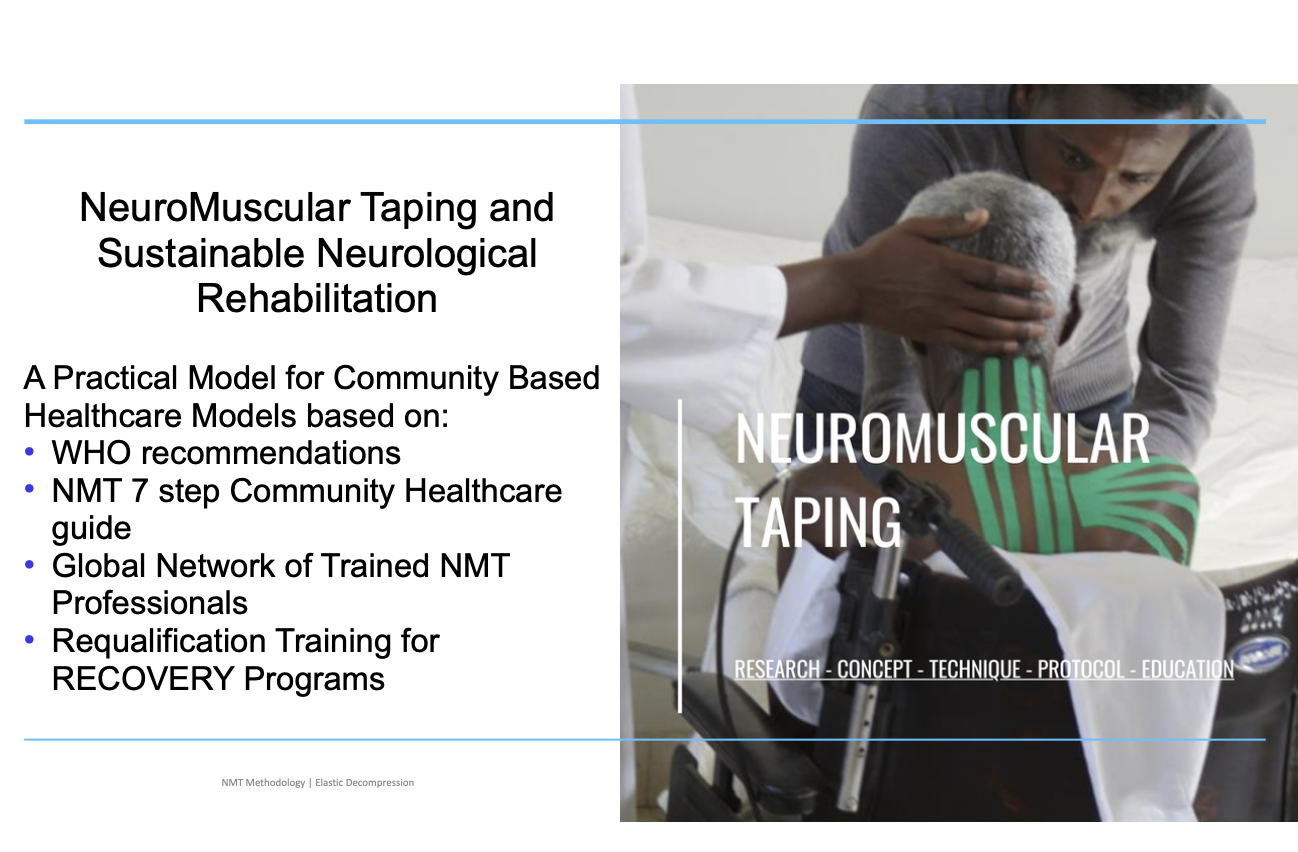
As healthcare systems worldwide face increasing demands from aging populations, rising rates of neurological disorders, workforce shortages, and growing healthcare costs, the need for sustainable rehabilitation models has become a global priority. The World Health Organization (WHO) advocates for rehabilitation services that are accessible, community-based, person-centered, evidence-informed, and integrated across all levels of healthcare. NeuroMuscular Taping (NMT) offers a practical and scalable solution that aligns closely with these recommendations by providing a low-cost, non-pharmacological intervention that can be integrated into multidisciplinary neurological rehabilitation pathways.
NMT contributes to sustainable neurological rehabilitation by supporting mobility, reducing edema and pain, improving proprioceptive input, facilitating neuromuscular function, and encouraging active patient participation. The methodology requires minimal infrastructure, limited technological resources, and can be implemented in hospitals, rehabilitation centers, community clinics, residential care facilities, and home-based care programs. These characteristics make NMT particularly valuable in low-resource settings, rural healthcare services, post-disaster recovery programs, and regions with limited access to specialized rehabilitation services.
Alignment with WHO Rehabilitation Recommendations
The NMT model supports key WHO principles by:
- Promoting rehabilitation closer to the patient’s community.
- Supporting early intervention and continuity of care.
- Enhancing functional independence and participation.
- Encouraging multidisciplinary collaboration.
- Reducing dependency on equipment-intensive interventions.
- Supporting workforce development and capacity building.
- Facilitating equitable access to rehabilitation services.
The NMT 7-Step Community Rehabilitation Guide
A structured implementation model can be applied through the NMT 7-Step Guide:
- Assessment and Functional Evaluation Identification of neurological deficits, functional limitations, edema, pain, and movement restrictions.
- Goal-Oriented Rehabilitation Planning Development of individualized rehabilitation objectives based on patient needs and available community resources.
- Early Decompression and Circulatory Optimization Application of NMT techniques to support lymphatic drainage, vascularization, tissue oxygenation, and symptom management.
- Neuromuscular Facilitation and Proprioceptive Enhancement Integration of NMT applications to improve sensory feedback, postural control, balance, and motor learning.
- Multidisciplinary Integration Coordination with physiotherapists, occupational therapists, speech therapists, nurses, physicians, and community health workers.
- Patient and Caregiver Empowerment Education programs that promote self-management, home-based exercises, prevention strategies, and long-term participation.
- Monitoring, Follow-Up and Community Reintegration Ongoing evaluation of outcomes, functional progression, social participation, and quality of life indicators.
Global Network of Trained Professionals
One of the strengths of the NeuroMuscular Taping system is the extensive international network of certified professionals already operating in hospitals, universities, rehabilitation centers, private clinics, and community health programs. This established database of trained practitioners provides an immediate workforce capable of supporting large-scale rehabilitation initiatives, reducing implementation time and facilitating rapid deployment in both routine healthcare and emergency recovery situations.
Requalification Training for RECOVERY Programs
The NMT Institute proposes the development of targeted requalification programs designed specifically for healthcare professionals involved in RECOVERY initiatives. These programs allow existing clinicians to rapidly acquire practical competencies in neurological rehabilitation, lymphatic management, post-surgical care, and community-based rehabilitation strategies.
Through structured training, mentoring, and clinical supervision, professionals can expand their rehabilitation skill set while maintaining consistency with evidence-informed practice and WHO recommendations. This model not only strengthens rehabilitation capacity but also promotes professional growth, knowledge transfer, and long-term sustainability within local healthcare systems.
Understanding the NeuroMuscular Taping Concept
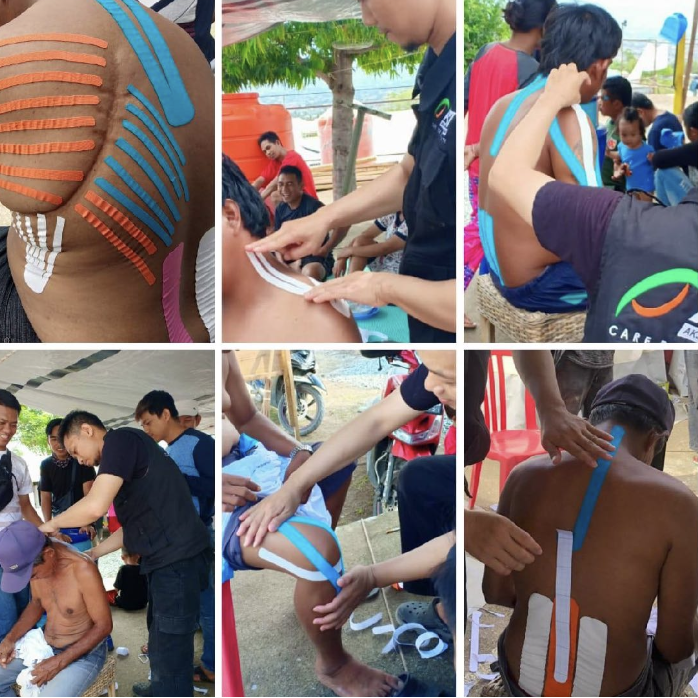
NeuroMuscular Taping is a biomechanical therapy based on the application of elastic tape without stretch (0% tension) applied to the skin in a position of elongation. Unlike traditional compression taping methods, NMT creates visible skin convolutions and tissue decompression. This decompressive action aims to:
- Improve microcirculation
- Enhance lymphatic and venous drainage
- Reduce tissue pressure
- Improve oxygenation and nutrient delivery
- Facilitate proprioceptive feedback
- Support motor control and coordination
- Reduce pain and inflammation
The therapeutic effect is generated through an eccentric decompression mechanism that acts on the skin, fascia, connective tissue, muscles, vascular structures, lymphatic pathways, and sensory receptors.
Why Sustainability Matters in Neurological Care
Neurological patients frequently experience:
- Reduced mobility
- Chronic pain
- Muscle weakness
- Spasticity
- Edema
- Communication disorders
- Swallowing difficulties
- Cognitive impairment
- Emotional and psychological challenges
These impairments often lead to increased healthcare utilization, prolonged hospital stays, caregiver burden, and reduced quality of life. A sustainable rehabilitation model seeks to maximize functional recovery while minimizing resource consumption and unnecessary interventions. NeuroMuscular Taping contributes to this model through:
1. Non-Pharmacological Symptom Management
Clinical evidence shows that NMT helps reduce pain, edema, muscle tension, and functional limitations without increasing the pharmacological burden often associated with long-term neurological care. This aspect is particularly important in elderly patients, who frequently present with multiple comorbidities requiring complex medication regimens. Polypharmacy is common in neurological populations, including individuals with stroke, Parkinson’s disease, multiple sclerosis, dementia, and peripheral neuropathies. While medications play a critical role in symptom management, the simultaneous use of multiple drugs increases the risk of adverse events, drug interactions, sedation, cognitive impairment, falls, gastrointestinal complications, and reduced treatment adherence.
NeuroMuscular Taping offers a non-pharmacological adjunct that can be integrated alongside conventional medical management. Through its decompressive action on the skin, fascia, connective tissue, and underlying vascular and lymphatic structures, NMT aims to improve local fluid dynamics, reduce tissue congestion, and decrease mechanical pressure on pain-sensitive receptors. The resulting improvements in circulation and interstitial fluid exchange may help alleviate pain, reduce edema, and improve tissue oxygenation, creating conditions that support natural healing and functional recovery.
In neurological rehabilitation, pain is often multifactorial and may arise from immobility, altered biomechanics, spasticity, postural asymmetries, joint overload, or secondary musculoskeletal complications. Similarly, edema may develop as a consequence of reduced movement, impaired muscle pumping mechanisms, vascular insufficiency, or lymphatic dysfunction. By reducing tissue pressure and facilitating blood and lymphatic flow, NMT may contribute to symptom control while enabling patients to participate more effectively in active rehabilitation programs.
Muscle tension and abnormal tone are additional challenges frequently encountered in neurological practice. Excessive rigidity, spasticity, and protective muscle guarding can limit range of motion, interfere with motor learning, increase energy expenditure, and reduce functional independence. The eccentric decompressive stimulation produced by NMT may assist in modulating abnormal muscle activity, improving tissue elasticity, and enhancing proprioceptive feedback. These effects can facilitate movement quality, postural control, and functional task performance while supporting the objectives of physiotherapy, occupational therapy, and speech therapy interventions.
From a sustainable healthcare perspective, the ability to provide symptom relief without increasing medication dependency is highly valuable. Reducing pain, improving comfort, and enhancing mobility may decrease the need for additional pharmacological interventions while supporting patient autonomy and quality of life. For elderly neurological patients, who are often particularly vulnerable to medication-related complications, the integration of safe, low-cost, non-invasive interventions such as NeuroMuscular Taping represents an important component of comprehensive, person-centered rehabilitation care.
2. Fast-Track Rehabilitation Pathways
Clinical experience suggests that the early implementation of NeuroMuscular Taping (NMT) decompressive protocols can play an important role in accelerating the rehabilitation process by addressing many of the secondary complications that emerge immediately following neurological injury, surgery, or periods of prolonged immobility. During the acute and post-acute phases of rehabilitation, patients frequently develop edema, pain, tissue congestion, reduced mobility, muscle stiffness, and impaired sensory-motor function. These factors can significantly delay recovery by limiting participation in rehabilitation activities and reducing the intensity and frequency of therapeutic interventions.
The decompressive action of NMT is designed to reduce tissue pressure and improve blood and lymphatic circulation within affected areas. By enhancing fluid exchange and facilitating the removal of inflammatory mediators and metabolic waste products, NMT may help reduce edema and improve tissue oxygenation during a critical period when healing and neuroplastic adaptation are most active. Reducing excessive tissue congestion not only improves patient comfort but may also decrease mechanical restrictions affecting muscles, fascia, joints, peripheral nerves, and vascular structures.
Early improvements in comfort and mobility are particularly important in neurological rehabilitation because movement itself acts as a primary stimulus for neural reorganization and functional recovery. Patients who experience less pain and greater freedom of movement are often better able to participate in physiotherapy, occupational therapy, speech therapy, and activities of daily living. Increased participation creates more opportunities for repetitive task-specific training, sensory feedback, motor learning, and neuroplastic adaptation, all of which are fundamental mechanisms underlying neurological recovery.
In conditions such as stroke, traumatic brain injury, spinal cord injury, Parkinson’s disease, and post-neurosurgical rehabilitation, edema and immobility can contribute to a cascade of secondary complications including joint stiffness, muscle shortening, postural asymmetries, pressure injuries, venous and lymphatic insufficiency, respiratory dysfunction, and chronic pain syndromes. Early NMT intervention may assist in minimizing these complications by maintaining tissue mobility, supporting fluid drainage, improving proprioceptive input, and encouraging earlier functional activity.
From a healthcare systems perspective, even modest improvements achieved during the early phases of rehabilitation can have significant downstream benefits. Patients who regain mobility sooner often require fewer intensive interventions, experience fewer secondary complications, and may progress more rapidly through rehabilitation pathways. Earlier functional gains can facilitate earlier transfers from acute care settings to rehabilitation units, community services, or home-based care programs. This has the potential to reduce hospital length of stay, optimize bed utilization, decrease waiting times for rehabilitation services, and improve overall healthcare efficiency.
Furthermore, early intervention strategies are closely aligned with contemporary sustainable healthcare principles, which emphasize prevention, patient empowerment, and efficient use of resources. By supporting rehabilitation from the earliest stages of recovery, NeuroMuscular Taping may help clinicians move beyond symptom management alone and actively facilitate functional restoration. The cumulative effect of improved mobility, enhanced participation in therapy, reduced complications, and greater patient engagement may ultimately contribute to more effective rehabilitation outcomes while reducing the long-term economic burden associated with neurological disability.
For these reasons, the integration of decompressive taping protocols into acute, post-acute, and community-based neurological rehabilitation pathways represents a promising strategy for achieving both clinical and healthcare sustainability objectives.
3. Community-Based Rehabilitation
One of the greatest strengths of the NeuroMuscular Taping (NMT) model is its capacity to be seamlessly integrated into community-based healthcare systems, hospitals, rehabilitation centers, and home-care environments. Unlike technology-dependent interventions, NMT is fundamentally a skill-based methodology that invests in the development of healthcare professionals, providing practical tools to address symptoms, improve function, and facilitate multidisciplinary rehabilitation pathways.
In many neurological and chronic conditions, healthcare professionals are frequently confronted with situations where therapeutic options appear limited, treatment goals become focused primarily on symptom management, and patients are often told that little more can be done. This can lead to a passive model of care centered on maintaining function rather than actively promoting recovery and adaptation. NMT seeks to challenge this paradigm by offering clinicians an additional therapeutic resource capable of supporting ongoing rehabilitation processes across acute, post-acute, and chronic phases of care.
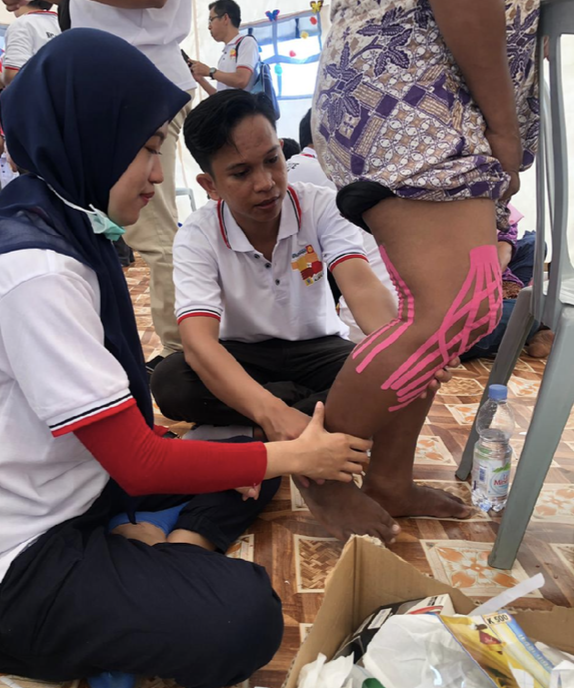
The decompressive mechanism of NeuroMuscular Taping creates a dilation effect within the superficial tissues, reducing local pressure and facilitating improved blood and lymphatic circulation. Enhanced fluid exchange supports oxygen delivery, nutrient availability, waste removal, and tissue metabolism, creating a more favorable biological environment for healing and neurorehabilitation. By influencing the vascular, lymphatic, fascial, muscular, and sensory systems simultaneously, NMT may assist in reducing pain, edema, rigidity, and movement restrictions while improving proprioceptive feedback and functional performance.
This approach is particularly valuable in neurological rehabilitation, where recovery depends not only on neural repair but also on optimizing the peripheral environment in which movement, sensory processing, and motor learning occur. Through its ability to support tissue health, encourage patient participation, and enhance the effectiveness of multidisciplinary interventions, NeuroMuscular Taping represents a practical and sustainable rehabilitation strategy that empowers both healthcare professionals and patients throughout the recovery journey.
Following appropriate professional training, NMT can be utilized by:
- Physiotherapists
- Occupational therapists
- Speech therapists
- Nurses
- Physicians
- Community rehabilitation teams
This allows continuity of care beyond the hospital environment and supports long-term treatment services within local communities.
NeuroMuscular Taping Applications in Neurological Disorders
Stroke Rehabilitation
Stroke remains a leading cause of disability worldwide. Common complications include:
- Hemiparesis
- Hemiplegia
- Spasticity
- Dysphagia
- Aphasia
- Cognitive deficits
- Postural instability
NMT applications may support rehabilitation by:
- Reducing pain and edema
- Improving proprioceptive input
- Enhancing motor control
- Supporting swallowing rehabilitation
- Facilitating posture and balance training
- Improving patient engagement during therapy
Randomized clinical studies have demonstrated improvements in pain reduction, upper limb function, shoulder mobility, and motor performance following NMT interventions in stroke rehabilitation.
Parkinson’s Disease
Patients with Parkinson’s disease frequently experience:
- Bradykinesia
- Rigidity
- Postural instability
- Gait disturbances
- Increased fall risk
Research suggests that NMT may contribute to improved postural control, balance performance, and movement confidence when integrated into comprehensive rehabilitation programs.
Multiple Sclerosis
For individuals living with multiple sclerosis, rehabilitation aims to preserve function, manage fatigue, and maintain independence. Emerging studies indicate that NMT may assist in:
- Balance control
- Gait performance
- Spasticity management
- Postural stability
- Functional mobility
These benefits may contribute to improved participation in daily activities and enhanced quality of life.
Cerebral Palsy and Pediatric Neurology
Pediatric neurological rehabilitation requires approaches that are safe, adaptable, and supportive of motor learning. Research involving children with cerebral palsy and Down syndrome suggests that NMT may:
- Improve upper limb movement quality
- Enhance gait efficiency
- Support proprioceptive development
- Facilitate motor learning processes
- Improve functional hand use
These effects may complement physiotherapy, occupational therapy, and developmental rehabilitation programs.
Dysphagia and Communication Disorders
Neurological conditions frequently affect swallowing and communication. NMT applications targeting:
- Anterior cervical fascia
- Suprahyoid musculature
- Tongue base
- Diaphragm
- Thoracic respiratory structures
may assist speech therapists in improving swallowing mechanics, respiratory coordination, posture, and vocal function. These applications have become increasingly relevant within multidisciplinary neurorehabilitation pathways.
Building Sustainable Rehabilitation Through Education
A fundamental pillar of sustainable healthcare is the continuous investment in human resources. While medical technologies, facilities, and infrastructure play important roles in healthcare delivery, it is ultimately the knowledge, clinical reasoning, and practical skills of healthcare professionals that determine the quality, accessibility, and sustainability of patient care. Sustainable rehabilitation therefore requires not only effective therapeutic interventions, but also educational models that build professional capacity, strengthen clinical competence, and facilitate the transfer of knowledge across generations of healthcare providers.
The NeuroMuscular Taping (NMT) Institute has developed a comprehensive international education and training framework designed to support professional growth and long-term healthcare sustainability. These programs focus on:
- Clinical reasoning and patient-centered decision making
- Standardized treatment protocols and therapeutic algorithms
- Evidence-informed clinical practice
- Interdisciplinary collaboration
- Community healthcare development
- Skill development and competency-based learning
- Mentorship and professional advancement
- Research and clinical innovation
A distinguishing characteristic of the NMT educational model is its emphasis on developing clinical skills rather than simply teaching application techniques. Participants are trained to evaluate patients, identify functional limitations, establish therapeutic objectives, and integrate NeuroMuscular Taping within broader multidisciplinary rehabilitation programs. This process encourages clinicians to think critically, adapt treatment strategies to individual patient needs, and develop confidence in managing increasingly complex clinical presentations.
The transfer of clinical knowledge from experienced practitioners to younger healthcare professionals is essential for maintaining high standards of care. Through structured educational pathways, clinical supervision, mentoring programs, practical workshops, and advanced certification courses, the NMT Institute seeks to preserve and disseminate valuable clinical experience accumulated over decades of rehabilitation practice. This ongoing exchange of knowledge helps bridge the gap between theory and practice, ensuring that evidence, clinical expertise, and practical skills remain accessible to future generations of healthcare providers.
Professional growth is further enhanced through the development of reproducible treatment algorithms for common neurological, orthopedic, lymphatic, oncological, and post-surgical conditions. Standardized protocols provide clinicians with a structured framework while still allowing for individualized clinical decision-making. This combination of consistency and flexibility improves treatment quality, facilitates communication between professionals, and promotes continuity of care across different healthcare settings.
Interdisciplinary collaboration represents another key component of sustainable healthcare. Modern rehabilitation increasingly relies on coordinated teamwork involving physicians, physiotherapists, occupational therapists, speech therapists, nurses, psychologists, and community healthcare workers. NMT training programs encourage a common clinical language and shared therapeutic objectives, helping professionals work together more effectively while reducing fragmentation of care. This collaborative approach enhances patient outcomes and strengthens the overall efficiency of healthcare systems.
Importantly, the development of local expertise creates a multiplier effect within healthcare communities. A single trained clinician can subsequently educate colleagues, mentor students, contribute to research projects, and establish community-based rehabilitation initiatives. Over time, this process expands the availability of specialized rehabilitation services while reducing dependence on external resources and centralized healthcare facilities. Such capacity building is particularly valuable in underserved regions, rural communities, and developing countries where access to rehabilitation professionals may be limited.
The NMT model therefore views education not as a one-time event, but as an ongoing process of professional development, mentorship, and knowledge transfer. By investing in healthcare workers and providing practical, evidence-informed clinical tools, rehabilitation services become more resilient, adaptable, and sustainable. Ultimately, strengthening human resources through skill development and professional growth contributes not only to improved patient outcomes, but also to the creation of healthcare systems capable of responding effectively to the growing global burden of neurological and chronic health conditions.
Environmental and Economic Sustainability
Beyond clinical outcomes, NMT contributes to sustainability through:
- Low technology requirements
- Minimal infrastructure demands
- Recyclable and lightweight materials
- Reduced dependence on equipment-intensive interventions
- Potential reduction in healthcare costs associated with complications and prolonged rehabilitation
Beyond its clinical benefits, NeuroMuscular Taping (NMT) offers several characteristics that align closely with the principles of sustainable healthcare. Unlike many rehabilitation interventions that rely on sophisticated technologies, expensive equipment, or highly specialized infrastructure, NMT is based primarily on clinical knowledge, manual skills, and the appropriate application of elastic tape. The materials required are lightweight, portable, and relatively inexpensive, while the intervention itself can be delivered in hospitals, rehabilitation centers, outpatient clinics, community health facilities, residential care settings, and even patients’ homes. This low-technology approach reduces dependence on energy-intensive equipment and allows healthcare professionals to provide effective treatment without significant infrastructure investment. Furthermore, the tape materials themselves have a relatively small environmental footprint compared to many modern rehabilitation technologies, contributing to more environmentally responsible healthcare delivery.
From an economic perspective, NMT may contribute to healthcare sustainability by helping to reduce the burden associated with secondary complications and prolonged rehabilitation. Neurological and chronic rehabilitation patients frequently develop edema, pain, reduced mobility, pressure injuries, contractures, respiratory complications, and functional decline, all of which increase healthcare costs and resource utilization. By supporting circulation, lymphatic drainage, tissue mobility, pain management, and functional activity, NMT may facilitate earlier participation in rehabilitation and improve overall treatment efficiency. Even modest improvements in mobility, comfort, and independence can reduce the need for additional interventions, decrease caregiver burden, and potentially shorten hospitalization or rehabilitation periods. In an era where healthcare systems face growing financial pressures from aging populations and increasing rates of chronic disease, interventions that improve outcomes while requiring relatively limited resources become increasingly valuable.
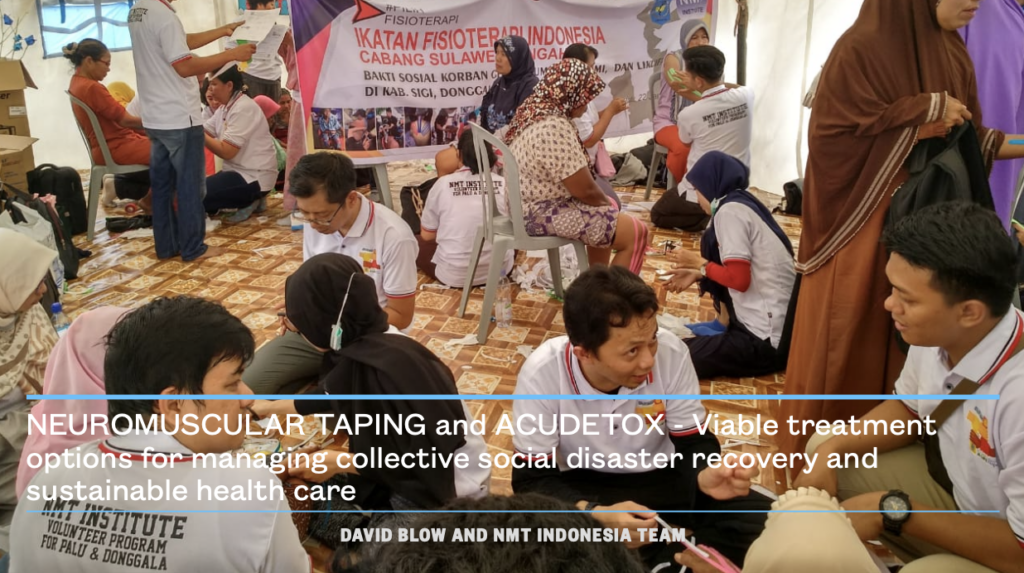
These characteristics make NeuroMuscular Taping particularly relevant in low-resource healthcare environments, disaster recovery programs, rural healthcare services, humanitarian missions, and developing countries where access to rehabilitation resources may be restricted. In many regions, advanced rehabilitation equipment may be unavailable, unaffordable, or difficult to maintain. NMT provides healthcare professionals with a practical, scalable, and transferable therapeutic option that can be implemented after appropriate training with minimal ongoing costs. Because the methodology emphasizes professional skill development rather than technology acquisition, local healthcare workers can continue delivering treatment independently long after initial training programs have been completed. This capacity-building approach strengthens community healthcare services, expands access to rehabilitation, and supports the development of sustainable local expertise capable of addressing both acute and chronic neurological conditions. In this way, NMT contributes not only to individual patient recovery but also to the long-term resilience and self-sufficiency of healthcare systems worldwide.
The Future of Sustainable Neurorehabilitation
As healthcare systems worldwide face increasing pressure from aging populations, rising rates of chronic neurological disease, and escalating healthcare costs, rehabilitation must evolve toward models that are not only clinically effective but also economically sustainable, socially responsible, and environmentally conscious. Conditions such as stroke, Parkinson’s disease, multiple sclerosis, dementia, peripheral neuropathies, and age-related mobility disorders are creating an unprecedented demand for long-term rehabilitation services. Traditional healthcare models, often centered on high-resource interventions and prolonged institutional care, are becoming increasingly difficult to sustain. There is a growing need for rehabilitation strategies that optimize patient outcomes while making efficient use of healthcare resources and empowering communities to participate actively in the recovery process.
The NeuroMuscular Taping (NMT) system represents a practical example of how rehabilitation can align with the World Health Organization’s principles of sustainable healthcare. The WHO framework emphasizes five key pillars prevention of disease and complications, patient self-care and empowerment, lean and efficient service delivery, adoption of low-carbon healthcare alternatives and minimization of environmental impact.
NMT supports each of these objectives. By reducing edema, pain, movement restrictions, and secondary complications associated with neurological disorders, NMT contributes to prevention and early intervention strategies. Through patient education and family involvement, it encourages self-management and active participation in the rehabilitation process. Its standardized treatment protocols and therapeutic algorithms improve treatment efficiency and support lean service delivery, enabling healthcare professionals to achieve more effective outcomes with fewer resources. Furthermore, NMT requires minimal technology, low energy consumption, and limited infrastructure, making it a low-carbon intervention with a relatively small environmental footprint compared to equipment-intensive rehabilitation approaches.
Beyond its direct therapeutic effects, NMT contributes to a sustainable vision of rehabilitation medicine through investment in human resources and professional development. The methodology is built upon clinical reasoning, skill acquisition, interdisciplinary collaboration, and knowledge transfer between healthcare professionals. By empowering physiotherapists, occupational therapists, speech therapists, nurses, physicians, and community healthcare workers with practical and reproducible treatment strategies, NMT expands rehabilitation capacity across hospitals, outpatient services, community clinics, and home-care settings. This model is particularly valuable in underserved regions, rural communities, and developing countries where access to specialized rehabilitation technologies may be limited. By supporting mobility, reducing symptoms, facilitating participation in active therapy, and strengthening the competence of healthcare providers, NeuroMuscular Taping demonstrates how a low-cost, non-pharmacological intervention can contribute meaningfully to a healthcare system that is more resilient, accessible, patient-centered, and aligned with the global sustainability objectives advocated by the World Health Organization.
Conclusion
Sustainable rehabilitation is not simply about reducing costs; it is about maximizing patient outcomes while using healthcare resources responsibly. NeuroMuscular Taping represents an innovative decompressive methodology that aligns closely with modern sustainability principles through prevention, patient empowerment, lean service delivery, community engagement, and low environmental impact.
The growing body of clinical experience and scientific research supports the integration of NeuroMuscular Taping into comprehensive neurological rehabilitation programs. As part of a multidisciplinary approach, NMT has the potential to improve quality of life, accelerate recovery, and contribute to the development of sustainable healthcare systems capable of meeting the neurological challenges of the future.
See the LINKEDIN NMT Newsletter

Are you interested in enrolling in an NMT Course?
The NeuroMuscular Taping Institute provides certification courses in physical rehabilitation, neurology, oncology, post surgical rehab, occupational therapy, speech therapy, remedial therapy, nursing as well vascular and lymphedema treatment and management. All trainings are classroom settings to enhance skill development and clinical reasoning creating optimum therapeutic results. ONLINE courses are not available. Please contact your local course provider or visit the NMT WEB SITE for course programs and dates.
For more details, course listings, and registration for an upcoming course CLICK HERE
Do you require validation of your NMT methodology for research purposes?
A detailed Neuromuscular Taping methodology is crucial in any research project for several reasons. Repeatability, Transparency, Validity and Reliability of your treatment choices will not only have an impact on your research but also an impact on future therapeutic choices. For more detailed information about the NMT, please contact us at: david.blow@nmtinstitute.org
Know someone who might be interested in this newsletter? Share it with them.