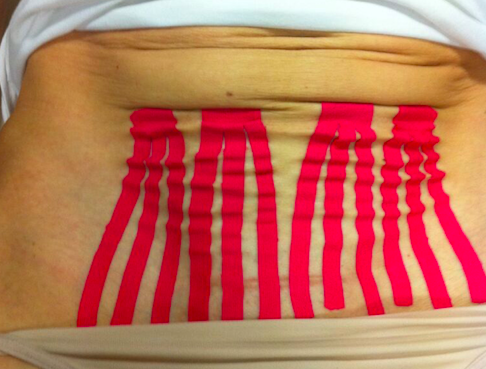
Cesarean scar rehabilitation extends beyond the visible appearance of the surgical scar and should consider the multiple tissue layers affected by cesarean delivery. Skin, subcutaneous connective tissue, fascia and the deeper abdominal–pelvic structures participate in healing and may develop altered mobility, adhesions, pain or sensory changes. Manual therapy and NeuroMuscular Taping (NMT) can be incorporated into individualized rehabilitation programs to support tissue mobility, sensory recovery and restoration of functional movement following appropriate postoperative healing and clinical assessment.
Integrating Manual Therapy and NeuroMuscular Taping
Cesarean delivery is one of the most frequently performed surgical procedures worldwide. Although the external incision may appear relatively small, surgery involves multiple tissue layers of the abdominal wall and uterus, initiating a complex healing response. Consequently, recovery should not be evaluated solely according to wound closure or the aesthetic appearance of the scar. Changes in tissue mobility, sensitivity, pain and abdominal–pelvic function may persist after the initial healing period and can influence movement and quality of life.
Cesarean scar rehabilitation therefore requires an individualized approach that considers the scar as part of a broader functional system. Scar tissue and postoperative adhesions may alter the relative mobility of superficial and deeper tissues, while changes in cutaneous sensation can affect sensory feedback from the surgical region. Furthermore, pain or perceived restriction may contribute to protective movement strategies involving the abdomen, pelvis, lumbar spine and surrounding musculature.
Manual therapy provides one approach to restoring mobility within this tissue system. Scar mobilization, appropriately selected soft-tissue techniques, progressive movement and therapeutic exercise can be incorporated according to healing stage and clinical findings. In parallel, NeuroMuscular Taping (NMT) provides a decompression-based intervention using elastic tape applied at 0% therapeutic tension while the tissues are positioned in appropriate elongation. Returning toward a neutral position produces characteristic skin convolutions and a dynamic skin–tape interface during posture and movement.
Rather than mechanically forcing the scar, NMT is intended to provide continuous cutaneous stimulation and modify the superficial mechanical environment surrounding the treated area. This may support tissue mobility, sensory input and fluid exchange while allowing physiological movement. Therefore, combining manual therapy, NMT and progressive functional rehabilitation provides a broader framework for addressing the multiple physical and sensory consequences that may follow cesarean surgery.
Cesarean delivery, whether a planned or emergency surgical procedure, often leaves a lasting physical mark in the form of a scar. Beyond aesthetic concerns, cesarean scars can lead to a range of physical and psychological challenges. In this article, we explore the origins, causes, associated problems, and consequences of cesarean scars, as well as the effective role of manual therapy and NeuroMuscular Taping (NMT) in their treatment.
The Origin of Cesarean Scars
A cesarean scar results from a surgical incision made in the abdominal wall and uterus to deliver a baby. The most common type of incision is the low transverse cut, but vertical or classical incisions may be used in certain cases. Proper healing of this surgical site involves a complex process of tissue repair. This process invariably results in adhesions at various depths, and in some cases, fibrosis, localized edema, sensitivity alterations, or restricted mobility if not properly managed.
Causes and Risk Factors
The formation and severity of cesarean scars depend on several factors:
- Surgical Technique: The type of incision and stitching methods used can significantly impact scar formation.
- Planned and Emergency Procedures: Emergency surgeries often result in longer or differently oriented incisions, increasing the risk of adhesions and complications.
- Wound Healing: Factors such as infection, poor blood supply, excessive or insufficient movement post-surgery, or delayed healing can exacerbate scar tissue formation.
- Individual Factors: Genetics, skin type, and lifestyle habits (e.g., smoking, poor nutrition) influence scar appearance and tissue recovery.
- Multiple Cesarean Deliveries: Repeated surgeries increase the likelihood of deeper adhesions and heightened scar-related sensitivity issues.
Problems and Consequences
Cesarean scars can lead to a variety of physical, functional, and emotional complications, including:
- Adhesions: Bands of scar tissue may form, connecting the skin, abdominal muscles, and uterus, restricting movement and causing pain.
- Acute and Chronic Pain: Nerve damage or excessive scar tissue can lead to localized or referred pain.
- Pelvic Dysfunction: Scars can disrupt abdominal and pelvic floor mechanics, potentially causing urinary or bowel issues.
- Lumbar Pain and Postural Difficulties: Adhesions can negatively affect postural control, contributing to lumbar pain, changes in center of gravity, and spinal tensions.
- Sensitivity Alterations: Adhesions at various levels can compress pain receptors and proprioceptors in the surgical area, causing hyper- or hypo-sensitivity and altering tactile and sensory feedback.
- Aesthetic Concerns: Hypertrophic scars or keloids may impact self-esteem and body image.
- Emotional Impact: The scar may serve as a physical reminder of a traumatic or challenging birth experience.
Treatment Options with Manual Therapy and NeuroMuscular Taping
Manual Therapy
Manual therapy offers hands-on techniques aimed at improving tissue mobility, reducing pain, and enhancing overall function. Global principles of scar treatment focus on improving elasticity, reducing local compression, and encouraging improved blood circulation and lymphatic drainage in the surgical area.
- Scar Mobilization: Gentle techniques help to reduce adhesions, improve elasticity, and restore mobility.
- Myofascial Release: Relieves tension in surrounding fascia, promoting balance and improved movement.
- Visceral Manipulation: Targets internal adhesions affecting organ function, such as bladder or bowel mobility.
- Stretching and Strengthening: Focused exercises restore normal biomechanics in the abdomen and pelvis.
The Treatment Process
- Assessment: A detailed evaluation of scar appearance, mobility, pain levels, and any associated dysfunctions.
- Individualized Plan: A tailored approach integrating manual therapy, NMT, and therapeutic exercises.
- Therapeutic Goals: Aimed at improving scar flexibility, reducing adhesions, and restoring functional mobility.
- Home Care: Patients are taught self-mobilisation techniques of the NeuroMuscular Taping applications, proper posture, to support recovery.
Cesarian Decompression NMT protocol
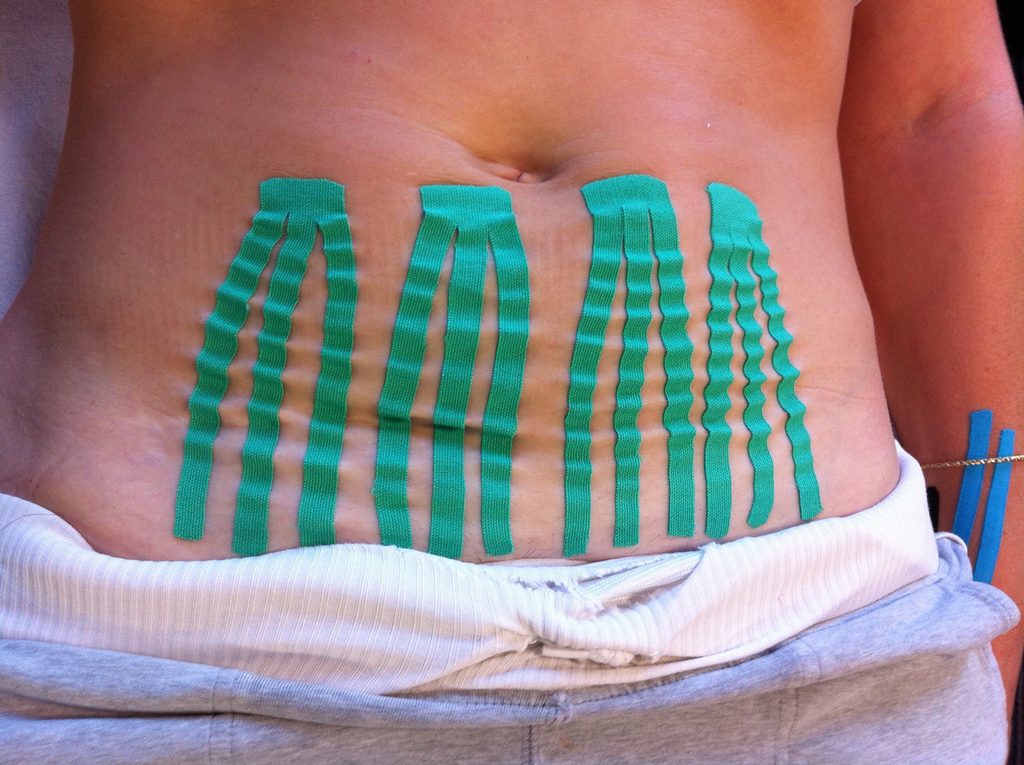
NeuroMuscular Taping (NMT): A Comprehensive Approach to Cesarean Scar Recovery
NeuroMuscular Taping (NMT) is a non-invasive therapeutic technique designed to support the body’s natural healing processes. By leveraging the biomechanical decompression properties specific to the NeuroMuscular Taping Methodology, NMT provides targeted interventions that address both the physiological and functional challenges associated with cesarean scar recovery. Below are the key benefits and mechanisms through which NMT aids in the rehabilitation process:
1. Improved Blood Flow
NMT dilation methods enhances blood circulation by gently lifting the skin and underlying tissues. This decompressive effect reduces vascular compression, improving oxygen and nutrient delivery to the healing tissues. Enhanced blood flow plays a critical role in:
- Accelerating tissue repair and regeneration.
- Minimizing the formation of fibrosis and abnormal scar tissue.
- Supporting the reduction of localized inflammation around the scar.
Proper vascularization ensures that the healing process is efficient, reducing the risk of complications and promoting a healthier scar appearance.
2. Lymphatic Drainage
Swelling and fluid retention are common post-surgical issues, particularly around the incision site. NMT stimulates the lymphatic system by creating channels for fluid movement through its gentle lifting action activated by movement. This facilitates:
- Reduction of localized edema.
- Prevention of fluid accumulation, which can lead to infection or delayed healing.
- Encouragement of waste product removal from the affected area.
By promoting lymphatic drainage, NMT helps maintain a clean and balanced environment for optimal healing.
3. Decompressive Effects
One of the hallmark benefits of NMT is its ability to relieve tension in the scar area. The tape’s elasticity provides a decompressive stimulus to the surrounding tissues, which:
- Reduces mechanical stress on the incision site and surrounding structures.
- Alleviates pain caused by tension or pulling on the scar tissue.
- Enhances the mobility of the skin, fascia, and underlying tissues, which may otherwise be restricted by adhesions.
This decompression not only improves patient comfort but also supports a more functional recovery by enabling freer movement.
4. Neurological Reconditioning
Cesarean scars often disrupt the normal proprioceptive feedback loop due to altered nerve signaling, tissue damage, and adhesions. NMT aids in reconditioning the nervous system by applying consistent decompressive stimuli to the area. This helps to:
- Restore proprioceptive awareness, ensuring better coordination and movement.
- Reactivate proper muscle activation patterns that may have been compromised due to scar-related restrictions.
- Reduce chronic pain by modulating nerve signals and decreasing hypersensitivity around the scar.
Neurological reconditioning ensures that both the affected area and the body as a whole can resume natural movement patterns.
5. Sensitivity Normalization
Scars frequently exhibit hyper- or hypo-sensitivity due to disrupted nerve pathways and excessive compression on sensory receptors. NMT’s decompression taping applications gently modulates these forces, enabling the restoration of normal sensory responses. This leads to:
- Reduction of hypersensitivity, allowing for less painful interactions with clothing or touch.
- Improvement in hypo-sensitivity by stimulating through reduced compression over underactive nerve endings.
- A balanced tactile response, promoting a more natural and functional recovery process.
By normalizing sensitivity feedback, patients experience reduced discomfort and regain confidence in their daily activities.
Holistic Impact of NMT on Cesarean Scar Rehabilitation
NeuroMuscular Taping goes beyond addressing the localized effects of a cesarean scar. Its comprehensive approach integrates physical, neurological, and vascular benefits, contributing to overall well-being. With its ability to simultaneously improve mobility, reduce pain, and restore normal function, NMT empowers patients to move forward confidently in their post-surgical recovery journey.
By combining NMT with complementary therapies such as manual mobilization and therapeutic exercises, healthcare professionals can offer a robust and patient-centered solution for cesarean scar management.
Conclusion
Cesarean scars, while often overlooked, can have profound effects on a woman’s physical and emotional health. By combining manual therapy and NeuroMuscular Taping, healthcare professionals can provide targeted interventions that improve mobility, reduce pain, and restore confidence. Early intervention and comprehensive care transform cesarean scar rehabilitation into a journey of healing and empowerment.integration into post-surgical rehabilitation programs can empower patients to regain confidence, function, and quality of life.
Ready to Advance Your Clinical Skills?
Are you interested in enrolling in a NeuroMuscular Taping (NMT) course? The NMT Institute offers internationally accredited certification programs across a wide range of clinical fields, including:
- Physical rehabilitation
- Neurology
- Oncology e post-surgical rehabilitation
- Sports therapy e athletic training
- Occupational e speech therapy
- Remedial education e nursing
- Vascular e lymphedema treatment e management
All NMT courses are delivered in-person in classroom settings, ensuring hands-on skill development, enhanced clinical reasoning, e optimal therapeutic outcomes. Online courses are not available, as practical application is central to the NMT therapeutic system.
To view upcoming course dates, detailed programs, e registration options, please contact your local course provider or visit the NMT Institute Website.

Are you interested in enrolling in an NMT Course?
The NeuroMuscular Taping Institute provides certification courses in physical rehabilitation, neurology, oncology, post surgical rehab, occupational therapy, speech therapy, remedial therapy, nursing as well vascular e lymphedema treatment e management. All trainings are classroom settings to enhance skill development e clinical reasoning creating optimum therapeutic results. ONLINE courses are not available. Please contact your local course provider or visit the NMT WEB SITE for course programs e dates.
For more details, course listings, e registration for an upcoming course CLICK HERE
Do you require validation of your NMT methodology for research purposes?
A detailed Neuromuscular Taping methodology is crucial in any research project for several reasons. Repeatability, Transparency, Validity and Reliability of your treatment choices will not only have an impact on your research but also an impact on future therapeutic choices. For more detailed information about the NMT, please contact us at: info.taping@mail.com
Know someone who might be interested in this newsletter? Share it with them.