NeuroMuscular Taping for Low Back Pain: Decompression Therapy and Functional Rehabilitation

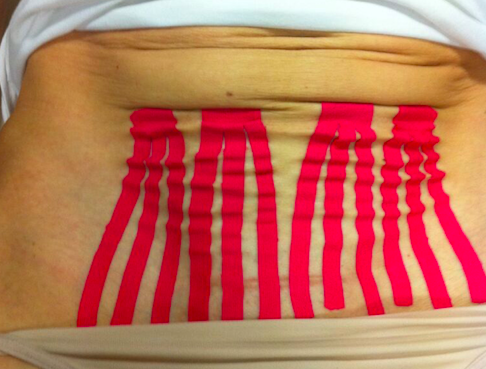
NeuroMuscular Taping for low back pain provides a decompression-based adjunct to the rehabilitation of acute and chronic non-specific low back pain (NLBP). Applied with 0% therapeutic tape tension while the lumbar tissues are appropriately elongated, NMT creates a dynamic skin–tape interface that provides continuous cutaneous sensory input during posture and movement. Integrated with therapeutic exercise and individualized clinical management, NMT may support pain reduction, mobility, proprioceptive processing and functional recovery without restricting physiological movement.

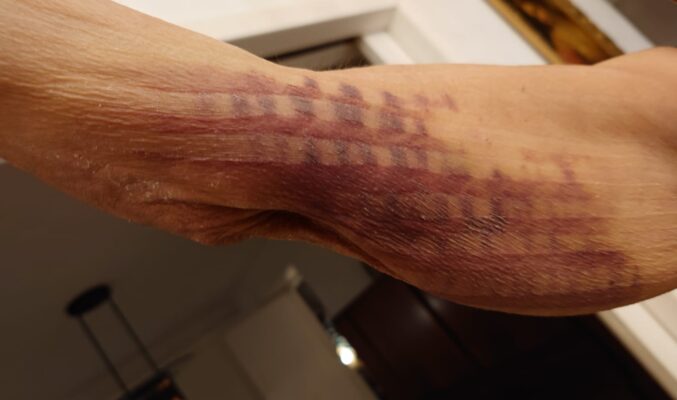
NMT treatment of PICC hematoma

NeuroMuscular Taping for PICC Hematoma: Supporting Edema and Bruising Recovery

NeuroMuscular Taping for PICC hematoma can be considered as an adjunctive rehabilitation strategy for selected patients who develop localized bruising and edema following peripherally inserted central catheter placement. Using a decompression methodology with 0% therapeutic tape tension, NMT is applied around—but not over or in a manner that interferes with—the catheter insertion site, sterile dressing or fixation system. Its objective is to support the superficial tissue environment and fluid exchange while preserving catheter safety and appropriate medical monitoring.

Cesarean Scar Rehabilitation: Manual Therapy and NeuroMuscular Taping

Cesarean scar rehabilitation extends beyond the visible appearance of the surgical scar and should consider the multiple tissue layers affected by cesarean delivery. Skin, subcutaneous connective tissue, fascia and the deeper abdominal–pelvic structures participate in healing and may develop altered mobility, adhesions, pain or sensory changes. Manual therapy and NeuroMuscular Taping (NMT) can be incorporated into individualized rehabilitation programs to support tissue mobility, sensory recovery and restoration of functional movement following appropriate postoperative healing and clinical assessment.

NeuroMuscular Taping After Breast Cancer Surgery: Lymphatic and Functional Rehabilitation

NeuroMuscular Taping after breast cancer surgery provides a decompression-based adjunct to multidisciplinary rehabilitation following lumpectomy, mastectomy, breast reconstruction and lymph node procedures. By applying elastic tape at 0% therapeutic tension to appropriately elongated tissues, NMT creates a dynamic skin–tape interface intended to support superficial tissue mobility, fluid exchange, continuous sensory input and functional movement without restricting physiological motion.

NeuroMuscular Taping Decompression Therapy in Myofascial Treatment

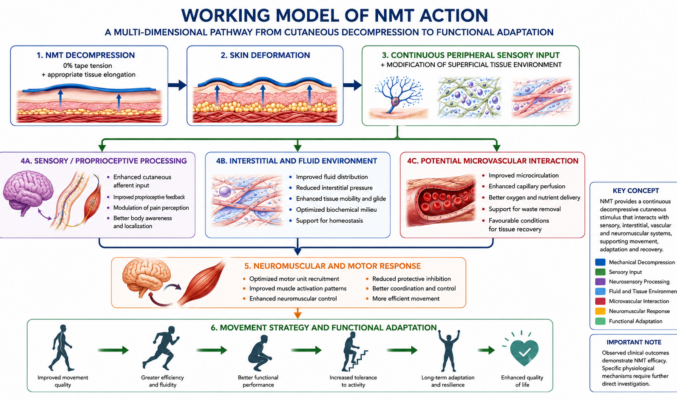
NeuroMuscular Taping Decompression Therapy provides a systems-based approach to myofascial treatment by addressing the continuous interaction between skin, subcutaneous connective tissue, fascia, interstitial fluid, vascular and lymphatic structures, peripheral sensory input and skeletal muscle. Applied with 0% therapeutic tape tension while the anatomical region is appropriately elongated, NMT creates characteristic skin convolutions when the body returns toward a neutral position. This continuously changing skin–tape interface may modify superficial tissue geometry and sensory input without mechanically forcing or restricting physiological movement.

NeuroMuscular Taping and Alexander Technique: Integrating Bottom-Up and Top-Down Rehabilitation

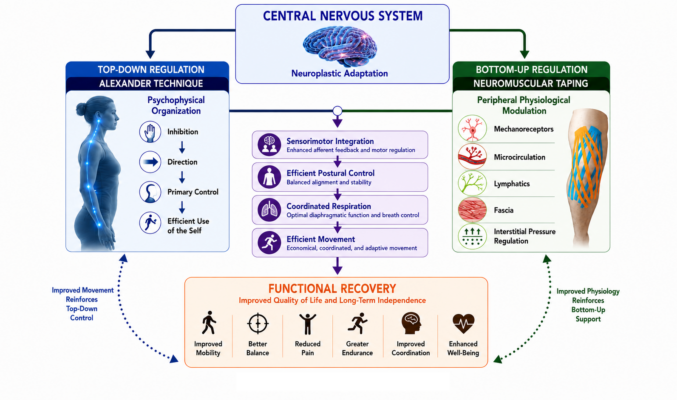
NeuroMuscular Taping and Alexander Technique offer complementary perspectives on rehabilitation by connecting bottom-up physiological and sensory modulation with top-down psychophysical organization. NeuroMuscular Taping (NMT) acts through decompression, continuous cutaneous stimulation and modification of the superficial tissue environment, while the Alexander Technique develops conscious awareness of posture, movement, breathing and habitual motor responses. Their integration provides a systems-based framework for exploring how peripheral sensory conditions and conscious movement organization may interact to support functional recovery.

NeuroMuscular Taping for thyroid surgery rehabilitation

NeuroMuscular Taping for Thyroid Surgery Rehabilitation: Supporting Swallowing and Speech Recovery

NeuroMuscular Taping for thyroid surgery rehabilitation improves swallowing, speech, scar mobility, pain management and functional recovery through evidence-informed rehabilitation.

NeuroMuscular Taping for Achilles tendinopathy

NeuroMuscular Taping for Achilles Tendinopathy: Improving Pain, Mobility and Recovery

NeuroMuscular Taping for Achilles tendinopathy supports pain relief, tendon recovery, functional mobility and evidence-informed rehabilitation for athletes and active individuals.

Burn rehabilitation with NeuroMuscular Taping

Burn Rehabilitation with NeuroMuscular Taping: Advancing Functional Recovery and Scar Management

Burn rehabilitation with NeuroMuscular Taping improves scar mobility, lymphatic drainage, pain management and functional recovery through evidence-informed rehabilitation.

NeuroMuscular Taping Decompression taping

Decompression-Based Taping: The NeuroMuscular Taping Approach to Rehabilitation

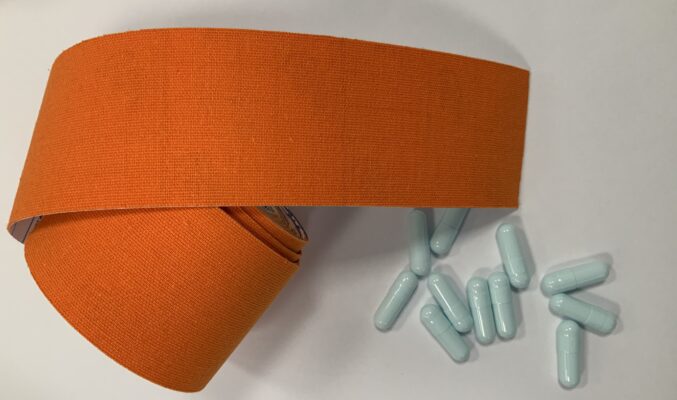
Decompression-based taping uses the NeuroMuscular Taping zero-tension method to improve lymphatic drainage, microcirculation, proprioception and evidence-informed rehabilitation.