NeuroMuscular Taping for movement disorders in Down syndrome provides an evidence-informed rehabilitation approach that supports motor development, postural control and functional independence from infancy through adulthood. By enhancing proprioceptive input, improving neuromuscular coordination and facilitating efficient movement, NeuroMuscular Taping (NMT) complements multidisciplinary rehabilitation while addressing the age-specific functional challenges associated with Down syndrome.
Understanding Movement Disorders in Down Syndrome
Movement disorders in individuals with Down syndrome arise from a complex interaction of hypotonia, ligamentous laxity, delayed motor development, impaired postural control and altered sensorimotor integration. These neuromotor characteristics influence balance, gait, coordination and functional independence throughout life, making rehabilitation an essential component of long-term health and participation. Therefore, therapeutic interventions must be individualized, progressive and adapted to the changing developmental needs of each age group.
NeuroMuscular Taping for movement disorders in Down syndrome introduces a decompression-based rehabilitation strategy that complements physiotherapy, occupational therapy and speech and language therapy through continuous sensory stimulation and biomechanical support. Rather than restricting movement, NeuroMuscular Taping (NMT) enhances proprioceptive feedback, facilitates neuromuscular activation, improves postural stability and promotes more efficient motor control. Furthermore, when integrated within an evidence-informed rehabilitation program, NMT may support motor learning, functional mobility and participation while helping to prevent secondary musculoskeletal complications across the lifespan. This second article in the series focuses on the clinical manifestations of movement disorders in Down syndrome and explores age-specific therapeutic strategies that optimize rehabilitation outcomes.
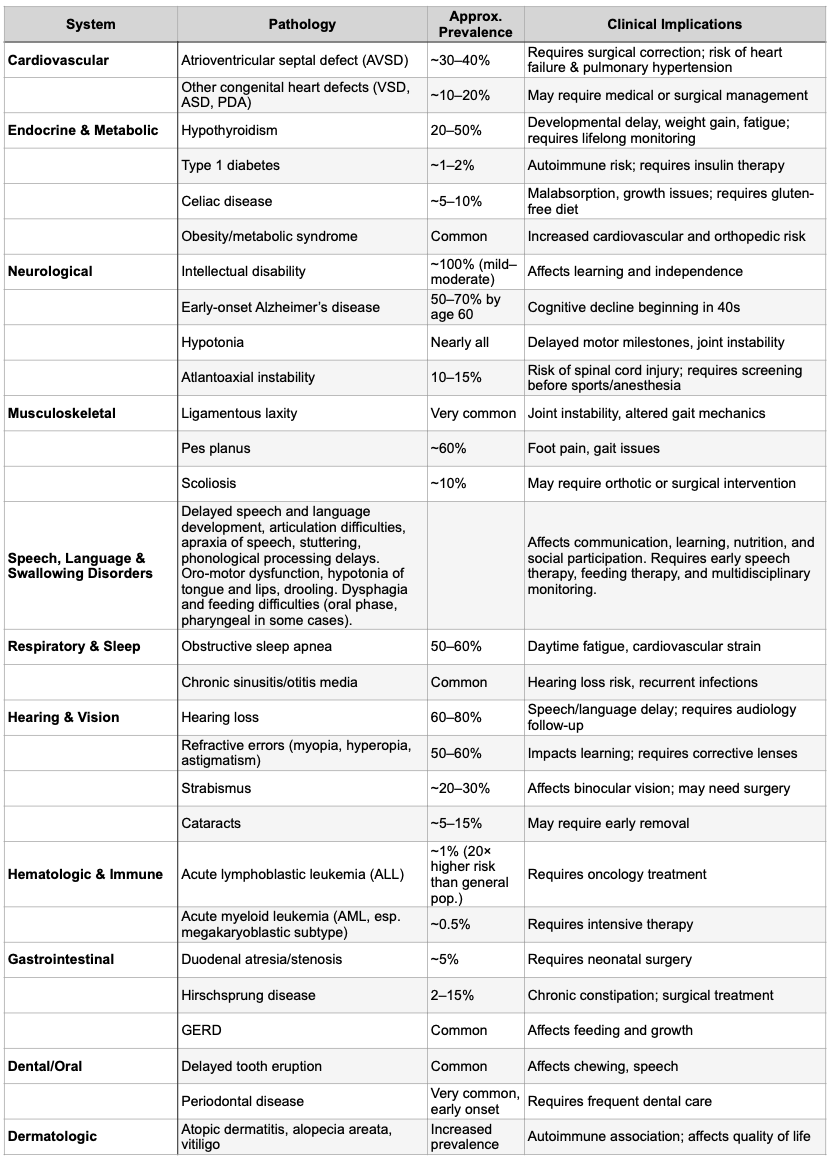
From a lifespan perspective, individuals with Down syndrome face evolving medical and functional challenges—including congenital heart defects, thyroid disease, sleep apnea, hearing impairment, orthopedic instability, and increased risk of early-onset dementia. These realities underscore the need for lifelong, multidisciplinary care, forward planning for adulthood, and equitable access to specialized services. The intersection of medical progress, social inclusion, and targeted therapeutic strategies will continue to shape future outcomes for both individuals and their families.
Delayed Motor Development Across the Lifespan
Individuals with Down syndrome present a constellation of musculoskeletal and neuromotor features that significantly influence motor performance and functional independence. These manifestations arise from a combination of genetic, structural, and neuromuscular factors, and they form the basis for targeted therapeutic interventions.
- Hypotonia – A hallmark finding from birth, characterized by generalized reduction in muscle tone. This contributes to delayed acquisition of motor skills, difficulty sustaining posture against gravity, and increased fatigue during activities.
- Ligamentous Laxity – Increased joint flexibility due to reduced connective tissue tension, predisposing to joint instability, malalignment, and compensatory movement patterns that may further compromise function.
- Delayed Gross and Fine Motor Milestones – Prolonged developmental timelines for sitting, crawling, walking, grasping, and manipulating objects, often accompanied by reduced motor planning efficiency.
- Poor Postural Control and Balance Deficits – Impaired ability to maintain stability in both static and dynamic positions, increasing the risk of falls and limiting participation in age-appropriate activities.
- Reduced Strength and Endurance – Lower baseline muscle force production and diminished cardiovascular fitness, often exacerbated by sedentary lifestyle habits.
- Gait Abnormalities – Characteristic walking patterns including a wide base of support, reduced push-off during terminal stance, diminished arm swing, and occasional compensatory hip or knee strategies.
- Coordination Deficits – Difficulties in both gross and fine motor coordination, impacting functional tasks such as stair climbing, ball catching, handwriting, and self-care activities.
- Increased Risk of Cervical Spine Instability – Atlantoaxial instability occurs in up to 15% of cases, potentially leading to neurological complications if not detected and managed proactively.
- Associated Orthopedic Conditions – Higher prevalence of pes planus (flat feet), scoliosis, and patellar instability, which may exacerbate mobility limitations and pain over time.
Given the lifelong nature of these neuromotor challenges, rehabilitation strategies must be continuous, adaptive, and age-specific, addressing evolving functional demands, preventing secondary complications, and promoting participation in educational, recreational, and community activities.
NeuroMuscular Taping and Sensorimotor Rehabilitation
NeuroMuscular Taping (NMT) offers a versatile, non-invasive adjunct to physical therapy by employing a decompression-based application that lifts the skin, reduces mechanical pressure on underlying tissues, and enhances sensory feedback. This mechanism supports multiple therapeutic goals in individuals with Down syndrome and related movement disorders:
- Postural Instability and Alignment Correction – NMT can facilitate optimal biomechanical alignment by providing continuous proprioceptive cues that promote symmetrical posture, reduce compensatory patterns, and assist in maintaining upright positioning during static and dynamic tasks.
- Facilitation of Muscle Activation in Hypotonic Muscle Groups – Through targeted placement along the muscle belly or origin-to-insertion paths, NMT enhances afferent sensory input to stimulate hypotonic musculature, aiding in improved recruitment patterns during functional movements.
- Joint Stabilization Without Restricting Movement – By supporting periarticular structures, NMT increases joint proprioception and dynamic stability while preserving full range of motion, reducing the risk of subluxations and hyperextension in joints affected by ligamentous laxity.
- Proprioceptive Enhancement for Gait and Balance Training – The continuous cutaneous stimulation from NMT applications augments body awareness, contributing to improved weight shifting, stride control, and postural adjustments in ambulatory and balance-challenging activities.
- Edema Management in Post-Surgical or Traumatic Swelling – Lymphatic decompression taping configurations create micro-channels in the skin to facilitate interstitial fluid drainage, reducing swelling and promoting faster recovery of tissue mobility.
- Pain Modulation in Musculoskeletal Overload Syndromes – By decreasing pressure on nociceptors and improving local circulation, NMT can alleviate discomfort in overused or misaligned structures, allowing more effective participation in rehabilitation exercises.
- Support in Improving Respiratory Mechanics via Thoracic Expansion Techniques – Specific thoracic and intercostal taping patterns can facilitate chest wall mobility, assist diaphragmatic excursion, and improve ventilatory efficiency, which is particularly valuable in individuals with hypotonia-related breathing restrictions.
When integrated into a structured multidisciplinary rehabilitation plan, NMT enhances functional gains, reduces secondary complications, and optimizes therapeutic carryover between clinical sessions and daily activities.
Age-Specific NeuroMuscular Taping Applications
The therapeutic application of NeuroMuscular Taping (NMT) in individuals with Down syndrome must be tailored to developmental stage, functional capacity, and evolving clinical priorities. The following outlines age-specific objectives and targeted NMT interventions that integrate seamlessly into physical therapy and multidisciplinary rehabilitation programs.
Infancy and Early Childhood (0–5 years)
Primary Goals:
- Facilitate acquisition of gross and fine motor milestones
- Enhance baseline muscle tone in hypotonic regions
- Promote symmetrical postural development to prevent early compensatory patterns
Therapeutic Focus:
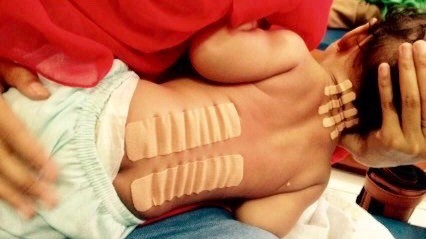
- Cervical and Trunk Extension Stimulation: NMT applied to cervical extensors and paraspinal muscles to encourage head control, upright sitting, and rolling.
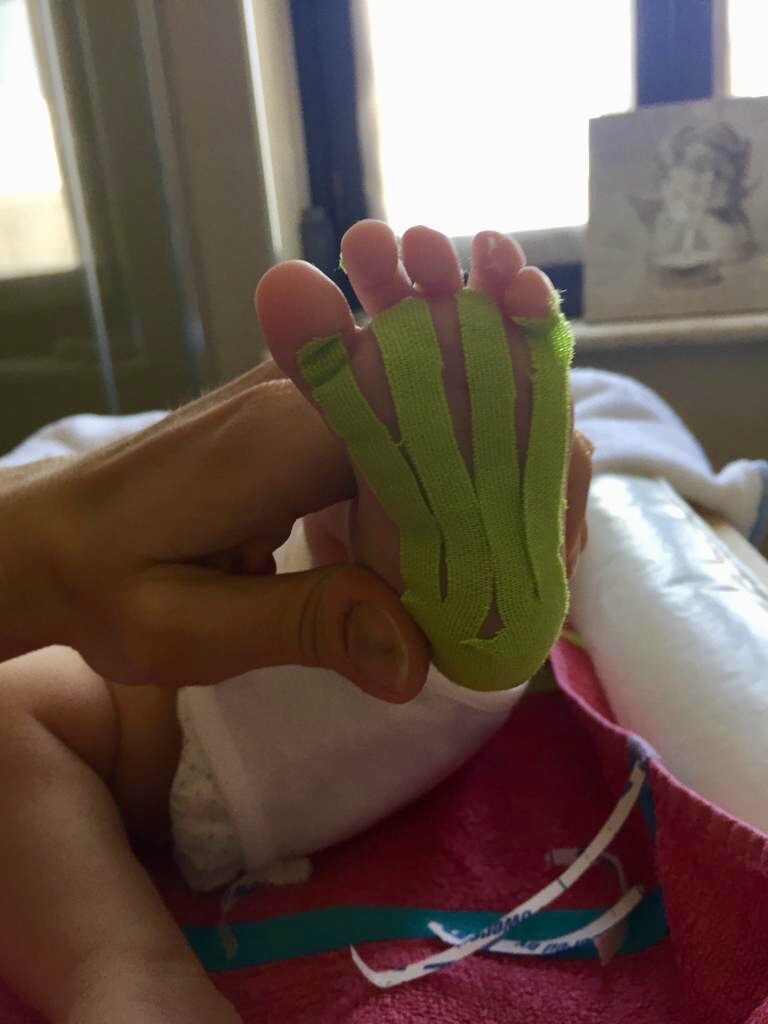
- Foot and Ankle Alignment: Arch-support taping to improve proprioception in the plantar fascia, guide early weight-bearing, and promote optimal gait alignment during initial ambulation.
- Scapular Stabilization: Targeted taping to enhance scapulothoracic positioning, improving reach, grasp, and bilateral coordination in play and self-feeding activities.
- Integration with Sensory-Motor Play: Use of taping within play-based physiotherapy sessions to maximize neuromotor engagement and neuroplastic adaptation during critical developmental periods.
School-Age Children (6–12 years)
Primary Goals:
- Improve efficiency and endurance in daily mobility
- Enhance participation in physical and academic activities
- Support postural endurance during prolonged sitting and dynamic tasks
Therapeutic Focus:
- Lower Limb Gait Optimization: Taping to address genu valgum, promote knee alignment, and improve stride mechanics for both walking and running.
- Core Stability: Abdominal and lumbar taping to provide continuous postural cues during classroom sitting, play, and sports activities.
- Proprioceptive Facilitation for Balance: Strategic applications to improve weight shifting, single-leg stance stability, and coordination in physical education contexts.
- Respiratory Facilitation: Thoracic expansion taping to assist intercostal muscle activity, improving breath support for speech production and aerobic activities.
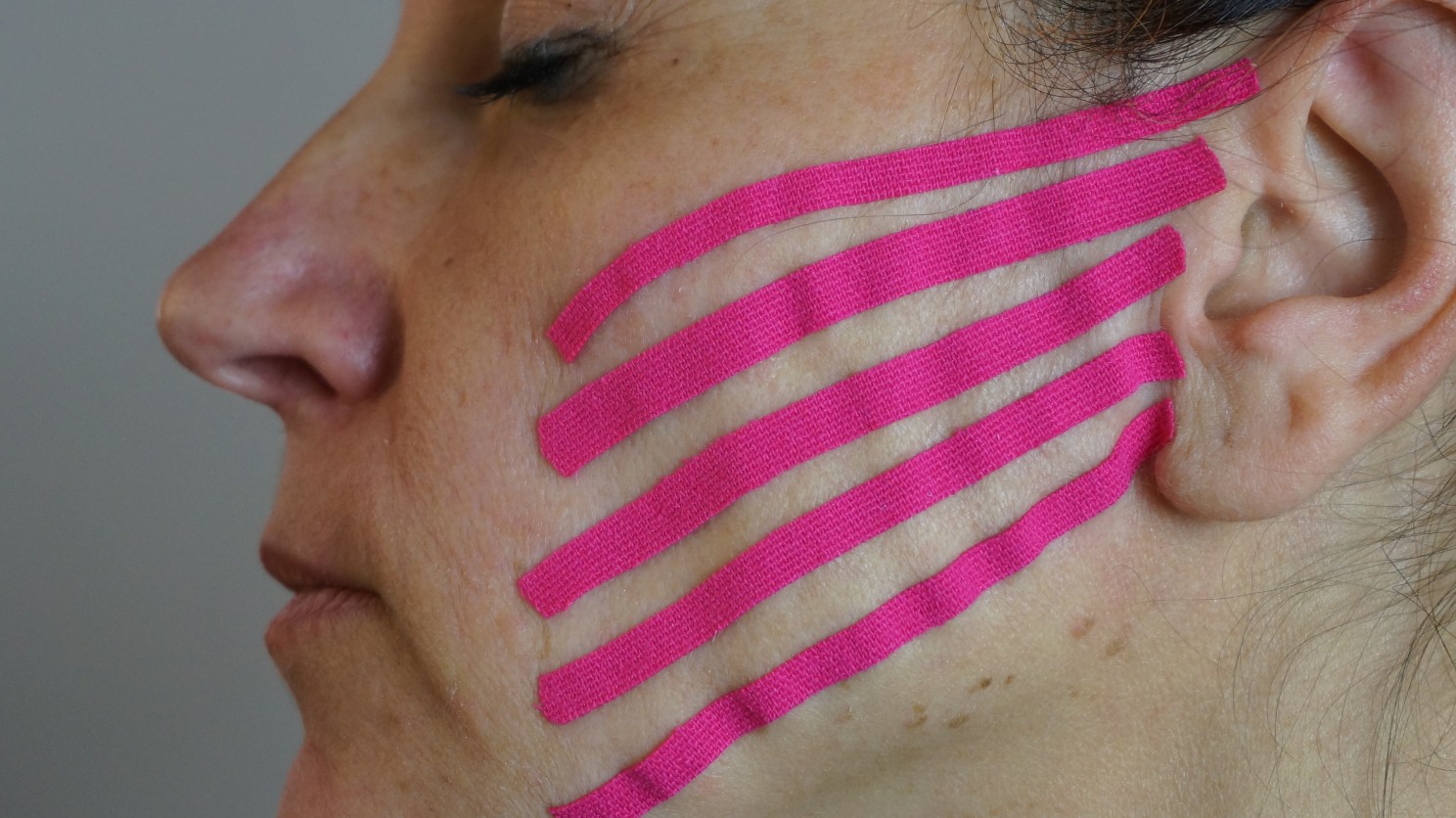
Adolescents (13–18 years)
Primary Goals:
- Foster independence in mobility and activities of daily living
- Prevent or manage emerging orthopedic complications related to growth and activity
- Enhance participation in sports, recreation, and community activities
Therapeutic Focus:
- Joint Protection for High-Demand Activities: Supportive taping to minimize injury risk in knees, ankles, and shoulders during sports or active recreation.
- Functional Correction Taping: Targeting biomechanical deficits specific to chosen sports, improving efficiency and reducing compensatory loading.
- Postural Fatigue Management: Taping to maintain upright alignment during extended academic, recreational, or vocational activities.
- Gym-Based Strength Integration: Use of taping in combination with resistance training to facilitate correct movement patterns and muscle recruitment.
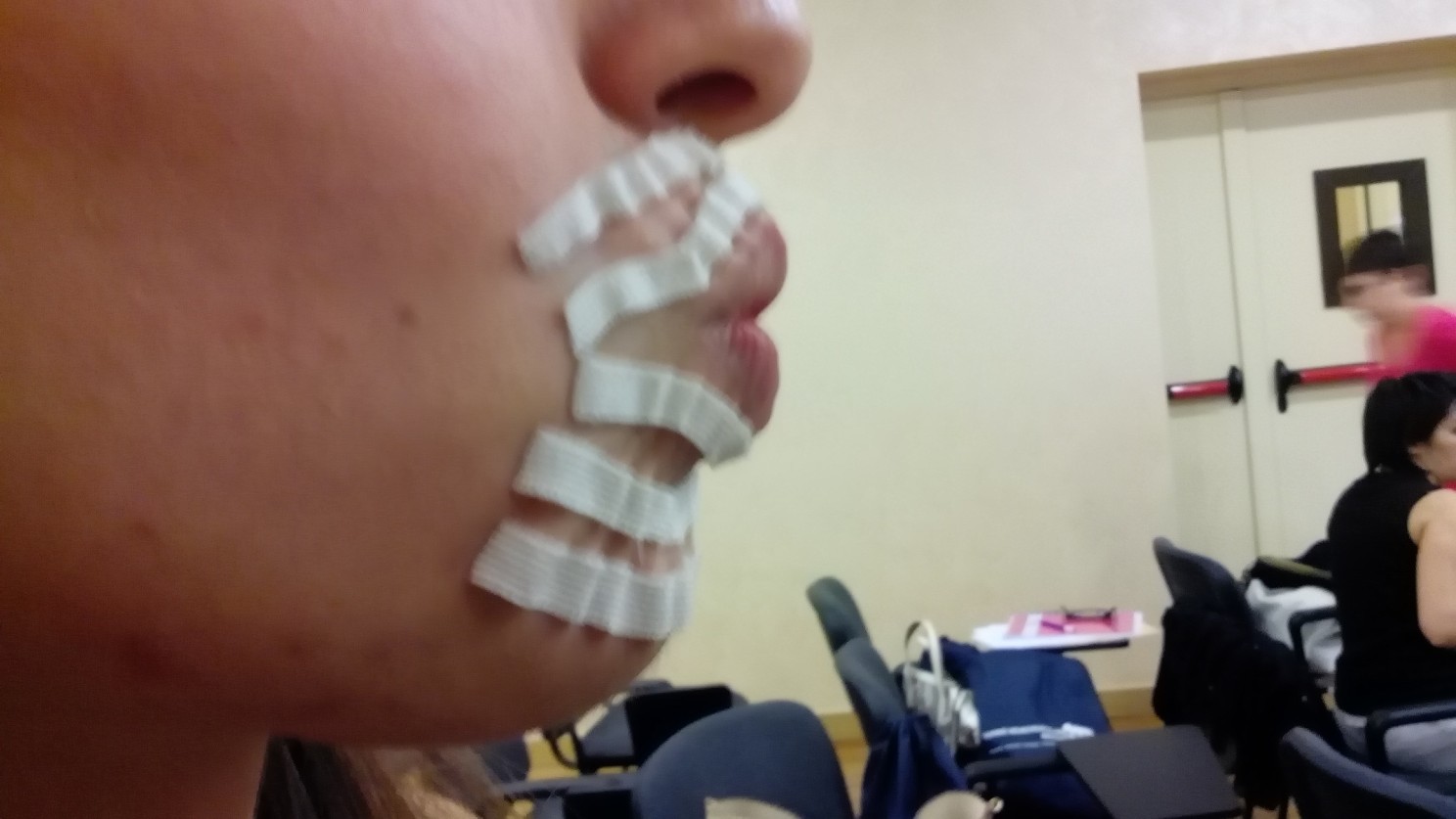
Adults (19+ years)
Primary Goals:
- Preserve functional mobility and independence
- Manage musculoskeletal pain and degenerative changes
- Address comorbidities while optimizing participation in work, community, and leisure
Therapeutic Focus:
- Chronic Joint Instability Support: NMT applied to unstable joints to enhance proprioceptive feedback, prevent overextension, and support safe mobility.
- Edema and Lymphatic Drainage: Post-surgical or post-traumatic decompression taping to accelerate resolution of swelling and restore tissue mobility.
- Degenerative Joint Disease Management: Supportive applications for pain reduction, mechanical unloading, and improved tolerance for activity.
- Occupational Therapy Integration: Taping strategies that support joint integrity and posture during vocational tasks, computer work, or manual labor.
This developmentally progressive framework ensures that NMT interventions evolve alongside the individual’s physical capabilities and functional needs, maximizing therapeutic outcomes across the lifespan.

Are you interested in enrolling in an NMT Course?
The NeuroMuscular Taping Institute provides certification courses in physical rehabilitation, neurology, oncology, post surgical rehab, occupational therapy, speech therapy, remedial therapy, nursing as well vascular and lymphedema treatment and management. All trainings are classroom settings to enhance skill development and clinical reasoning creating optimum therapeutic results. ONLINE courses are not available. Please contact your local course provider or visit the NMT WEB SITE for course programs and dates.
For more details, course listings, and registration for an upcoming course CLICK HERE
Do you require validation of your NMT methodology for research purposes?
A detailed Neuromuscular Taping methodology is crucial in any research project for several reasons. Repeatability, Transparency, Validity and Reliability of your treatment choices will not only have an impact on your research but also an impact on future therapeutic choices. For more detailed information about the NMT, please contact us at: info.taping@mail.com
Know someone who might be interested in this newsletter? Share it with them.