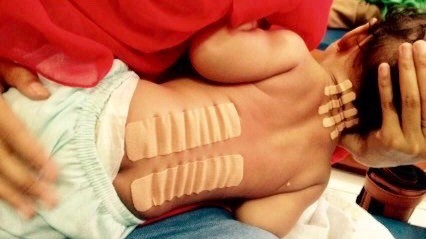
NeuroMuscular Taping for low back pain provides a decompression-based adjunct to the rehabilitation of acute and chronic non-specific low back pain (NLBP). Applied with 0% therapeutic tape tension while the lumbar tissues are appropriately elongated, NMT creates a dynamic skin–tape interface that provides continuous cutaneous sensory input during posture and movement. Integrated with therapeutic exercise and individualized clinical management, NMT may support pain reduction, mobility, proprioceptive processing and functional recovery without restricting physiological movement.
Postural control
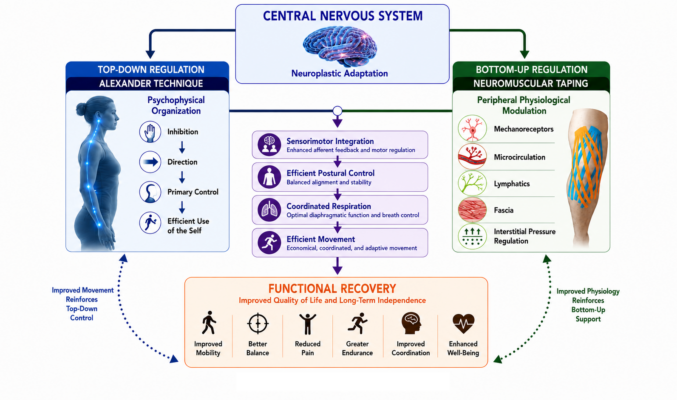
NeuroMuscular Taping and Alexander Technique: Integrating Bottom-Up and Top-Down Rehabilitation
NeuroMuscular Taping and Alexander Technique offer complementary perspectives on rehabilitation by connecting bottom-up physiological and sensory modulation with top-down psychophysical organization. NeuroMuscular Taping (NMT) acts through decompression, continuous cutaneous stimulation and modification of the superficial tissue environment, while the Alexander Technique develops conscious awareness of posture, movement, breathing and habitual motor responses. Their integration provides a systems-based framework for exploring how peripheral sensory conditions and conscious movement organization may interact to support functional recovery.
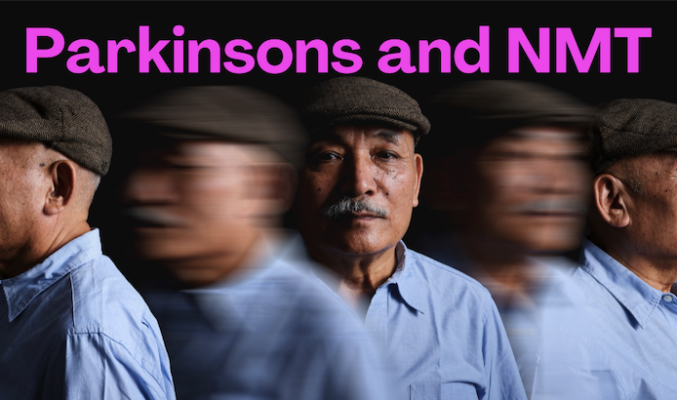
Advancing Parkinson’s Rehabilitation with NeuroMuscular Taping®
NeuroMuscular Taping for Parkinson’s disease enhances gait, postural control, sensorimotor function and neurological rehabilitation based on emerging clinical evidence
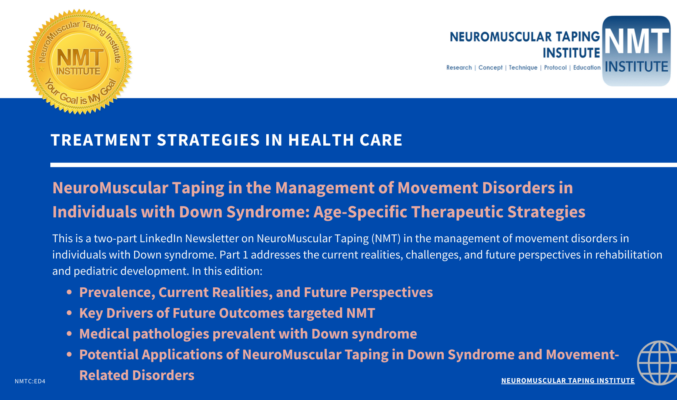
NeuroMuscular Taping for Movement Disorders in Down Syndrome: Age-Specific Therapeutic Strategies – Part 2
NeuroMuscular Taping for movement disorders in Down syndrome enhances motor development, balance, posture and functional independence through evidence-informed rehabilitation.
NeuroMuscular Taping for Down Syndrome: Age-Specific Strategies for Movement Disorders
NMT for Down syndrome enhances motor development, postural control, movement disorders and functional independence through evidence-informed rehabilitation.
Balance Rehabilitation in Older Adults: A NeuroMuscular Taping Perspective
Balance rehabilitation in older adults combines NeuroMuscular Taping, proprioceptive training and neuromuscular rehabilitation to reduce falls and improve mobility