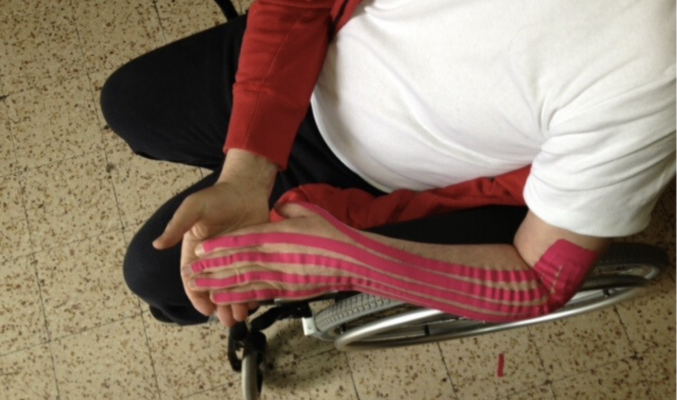
NeuroMuscular Taping (NMT) in stroke rehabilitation offers a non-invasive adjunctive approach that can be integrated into multidisciplinary rehabilitation from the acute and post-acute stages through functional recovery and community reintegration. Rather than being used as an isolated treatment, NMT applications should respond to clearly defined clinical and functional objectives and evolve as the patient progresses through the different phases of recovery. When combined with active rehabilitation, NMT may support areas such as edema and pain management, sensory input, positioning, movement strategies, mobility and functional participation.