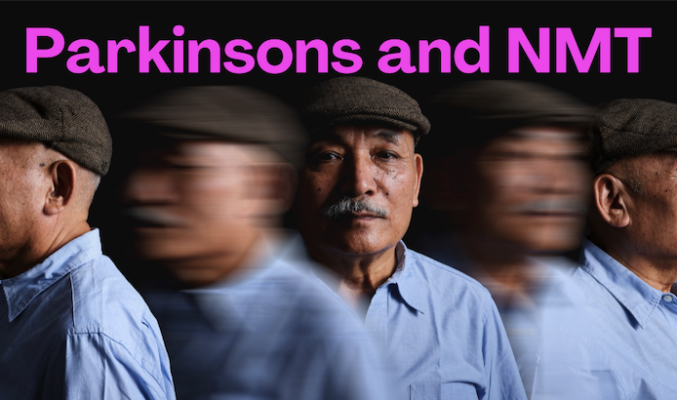
NeuroMuscular Taping for Parkinson’s disease enhances gait, postural control, sensorimotor function and neurological rehabilitation based on emerging clinical evidence
Neuroplasticity
NeuroMuscular Taping Neurology Course: Foundational Training in Neurological Rehabilitation
Neurology Course in NeuroMuscular Taping offers evidence-informed neurological rehabilitation training with practical skills, clinical reasoning and certification.
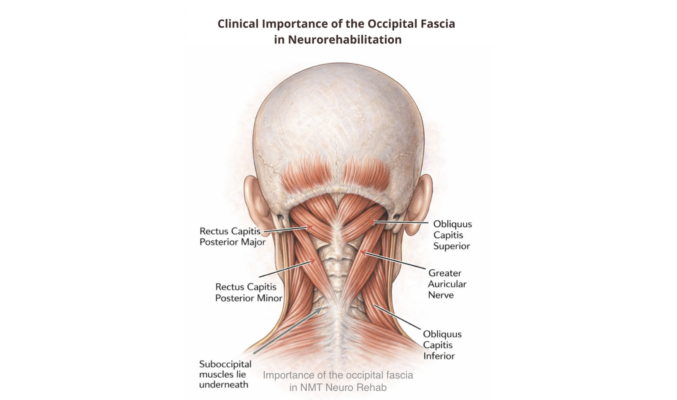
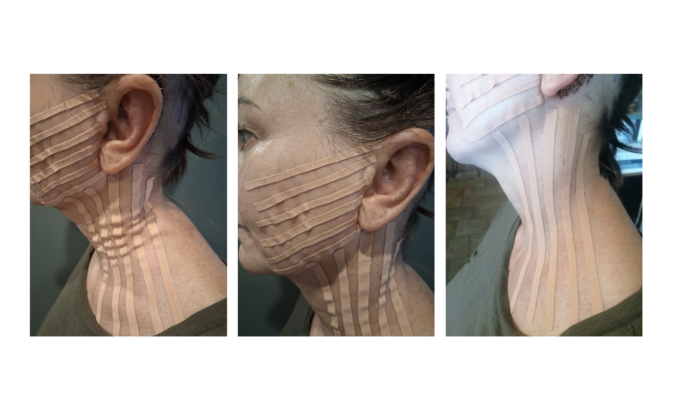
Clinical Importance of the Occipital Fascia in NMT Treatment Protocol – Part 2
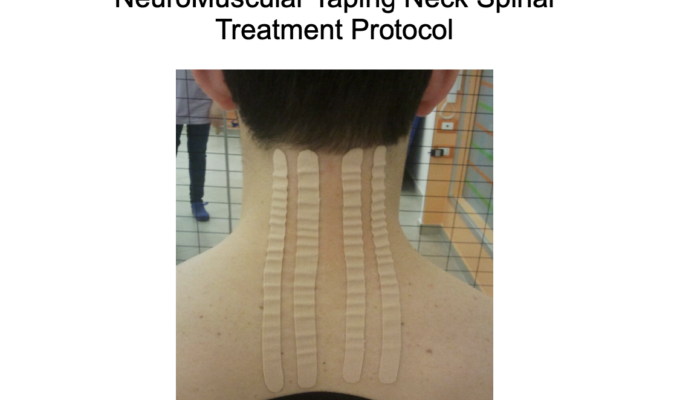
Occipital fascia NMT treatment protocol explores fascial anatomy, cranio-cervical biomechanics, circulation and NeuroMuscular Taping to support neurorehabilitation
The Clinical Importance of the Occipital Fascia in Neurorehabilitation
Occipital fascia in neurorehabilitation supports circulation, lymphatic and glymphatic flow, neuromuscular control and tissue healing through NeuroMuscular Taping
Cochlear Implant Rehabilitation: From Diagnosis to Functional Recovery with NeuroMuscular Taping
Cochlear implant rehabilitation integrates auditory training, neuroplasticity and NeuroMuscular Taping to improve healing, sensory integration and functional recovery after surgery
NeuroMuscular Taping and the Feldenkrais Method: A Synergistic Model for Sensorimotor Rehabilitation
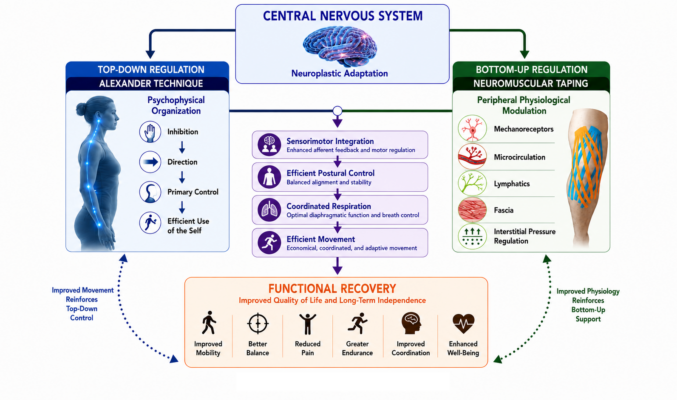
NeuroMuscular Taping and the Feldenkrais Method represent two complementary approaches that address different yet interconnected aspects of human movement and neurological rehabilitation. While NeuroMuscular Taping (NMT) provides continuous peripheral sensory stimulation through decompression, improving lymphatic drainage, microcirculation, proprioception, and neuromuscular coordination, the Feldenkrais Method promotes central motor learning through movement awareness, variability, and neuroplastic adaptation. Integrating these two evidence-informed approaches creates a systems-based rehabilitation model capable of simultaneously influencing tissue physiology, sensorimotor integration, and functional movement.