NeuroMuscular Taping for rheumatoid arthritis supports pain relief, lymphatic drainage, joint mobility and evidence-informed rehabilitation to improve function and quality of life
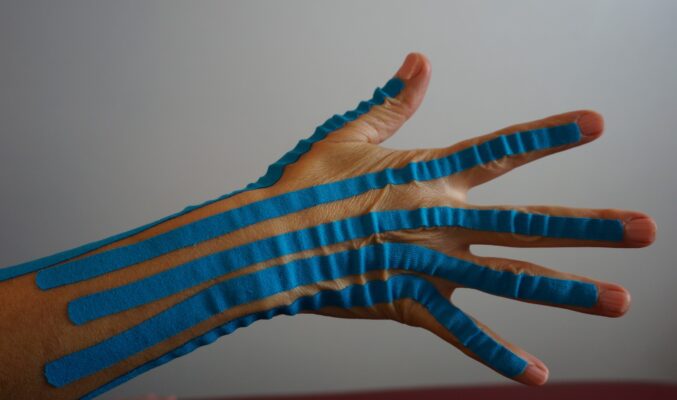
NeuroMuscular Taping for rheumatoid arthritis supports pain relief, lymphatic drainage, joint mobility and evidence-informed rehabilitation to improve function and quality of life

Neurology Course in NeuroMuscular Taping offers evidence-informed neurological rehabilitation training with practical skills, clinical reasoning and certification.
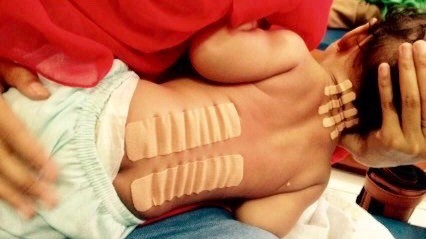
NeuroMuscular Taping for movement disorders in Down syndrome enhances motor development, balance, posture and functional independence through evidence-informed rehabilitation.
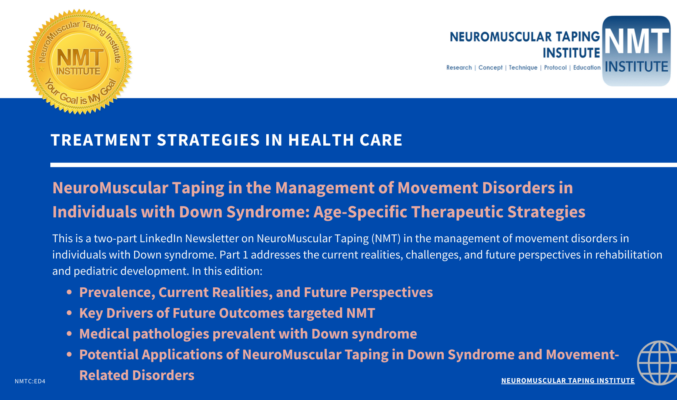
NMT for Down syndrome enhances motor development, postural control, movement disorders and functional independence through evidence-informed rehabilitation.

Rotator cuff surgery recovery with NeuroMuscular Taping supports pain relief, edema reduction, lymphatic drainage, tissue healing and functional rehabilitation after repair.

NMT for lymphatic treatment explains the origin, development and decompression principles that improve lymphatic drainage, circulation and rehabilitation.
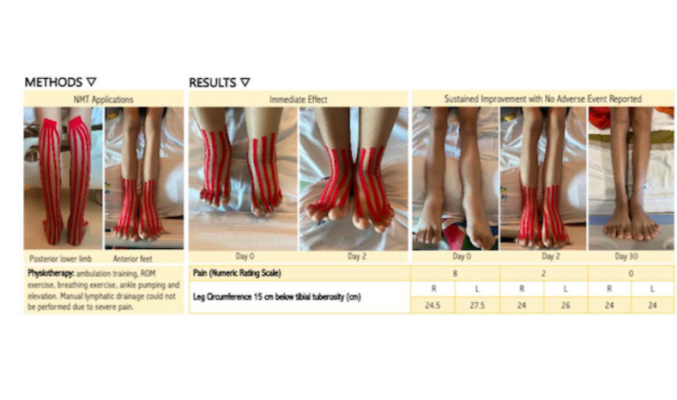
NMT for systemic lupus erythematosus improves pain, edema, lymphatic drainage and mobility as an evidence-informed adjunctive rehabilitation approach.

NMT research supports evidence-informed rehabilitation through clinical studies, education, innovation and multidisciplinary collaboration to improve patient outcomes.

Balance rehabilitation in older adults combines NeuroMuscular Taping, proprioceptive training and neuromuscular rehabilitation to reduce falls and improve mobility
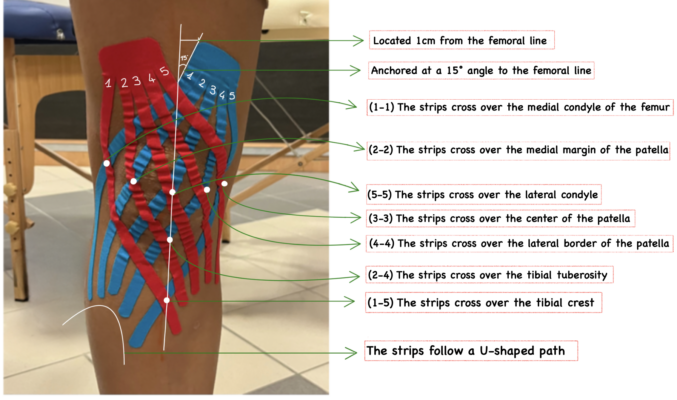
NeuroMuscular Taping for knee rheumatoid arthritis supports pain relief, lymphatic drainage, joint mobility and functional recovery through decompression-based rehabilitation.